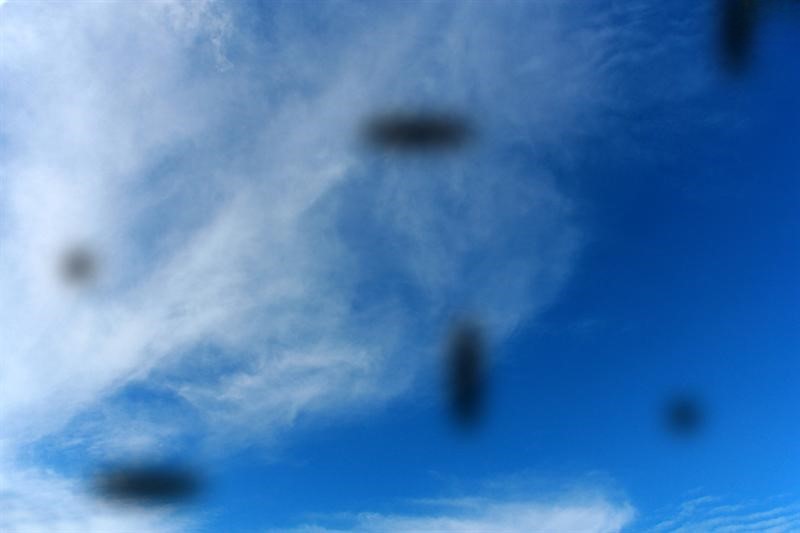
Have you ever noticed tiny specks, threads, cobweb-like shapes, or shadowy dots drifting across your vision - especially when looking at a bright sky or white wall? These are known as eye floaters, and while they’re often harmless, sudden changes can sometimes signal a more serious eye problem.
Understanding what floaters are and when they require immediate attention - can help protect your vision.
👁️ What Are Eye Floaters?
Eye floaters are small shapes that appear to “float” across your field of vision.
People describe them as:
- Dots
- Squiggly lines
- Cobwebs
- Transparent threads
- Tiny drifting shadows
They may move when you move your eyes and seem to dart away when you try to look directly at them.
🧠 Why Do Floaters Happen?
Inside your eye is a gel-like substance called the vitreous humor.
As you age:
- The vitreous becomes more liquid
- Tiny fibers inside it clump together
- These clumps cast shadows on the retina
Those shadows are what you see as floaters.
In many cases, this is a normal part of aging.
⚠️ Common Causes of Eye Floaters
👴 1. Aging Changes in the Eye
The most common cause.
Floaters become more frequent after age 40–50.
👓 2. Nearsightedness (Myopia)
People who are highly nearsighted may notice floaters earlier or more often.
👁️ 3. Eye Injury or Trauma
An impact to the eye can disturb the vitreous and trigger floaters.
🔥 4. Inflammation Inside the Eye
Inflammation can release debris into the vitreous.

🩸 5. Bleeding Inside the Eye
Small amounts of blood can appear as floaters.
🚨 When Floaters Become an Emergency
Most floaters are harmless—but sudden changes should never be ignored.
Seek immediate medical attention if you experience:
- A sudden shower of new floaters
- Flashes of light
- A dark curtain or shadow over part of your vision
- Sudden blurry vision
- Loss of peripheral vision
These may be signs of:
- Retinal tear
- Retinal detachment
And those conditions require urgent treatment to prevent permanent vision loss.
✨ What About Flashes of Light?
Flashes happen when the vitreous pulls on the retina.
People describe them as:
- Camera flashes
- Lightning streaks
- Brief sparkles in peripheral vision
Flashes plus sudden floaters are especially important to check.
👨⚕️ What Eye Doctors Recommend
If floaters suddenly appear or increase:
✔️ Get a Dilated Eye Exam
This allows an eye doctor to examine the retina thoroughly.
✔️ Monitor Changes
Keep track of:
- Number of floaters
- Vision changes
- Any flashes or shadows
✔️ Don’t Ignore New Symptoms
Especially if they happen quickly.
🧠 Can Floaters Go Away?
In many cases:
- Floaters become less noticeable over time
- The brain gradually adapts to them
Some may remain permanently but become easier to ignore.
⚠️ Can You Prevent Floaters?
Not completely—but you can support overall eye health by:
- Managing blood pressure and blood sugar
- Protecting your eyes from injury
- Getting regular eye exams
- Avoiding smoking
🍎 Habits That Support Eye Health
✔️ Eat Nutrient-Rich Foods
Especially those rich in:
- Vitamin A
- Lutein
- Omega-3s
✔️ Stay Hydrated
Supports overall eye function.
✔️ Reduce Eye Strain
Take breaks from screens regularly.

💡 Final Thoughts
Eye floaters are extremely common and are often a normal part of aging. But sudden changes—especially when combined with flashes or vision loss - should never be ignored.
The key is simple:
- Occasional stable floaters → usually harmless
- Sudden increase or visual changes → get checked immediately
Because when it comes to vision, early attention can make the difference between a minor issue and a serious one.