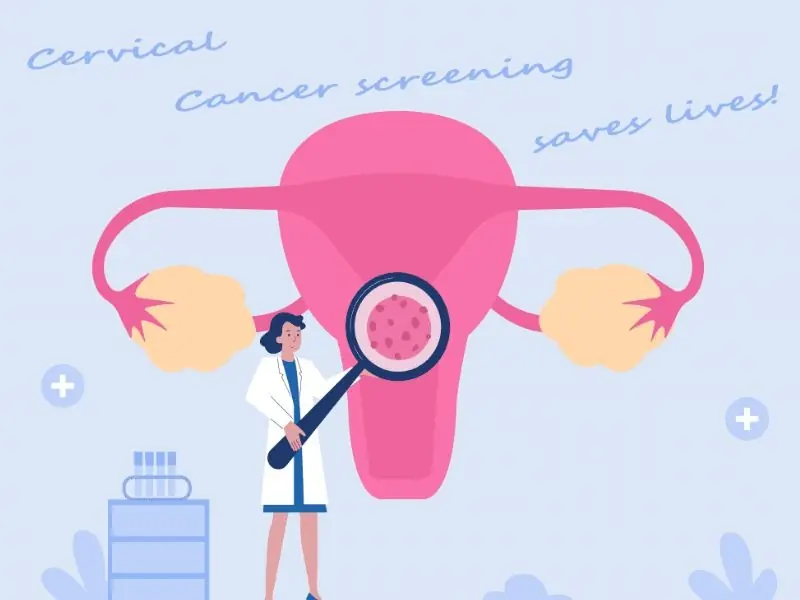
3 Intimate Habits Couples Should Be Aware Of to Help Protect Cervical Health
How Certain Intimate Habits May Be Linked to Cervical Can.cer Risk: 3 Things to Know
Health 23/07/2026 14:46
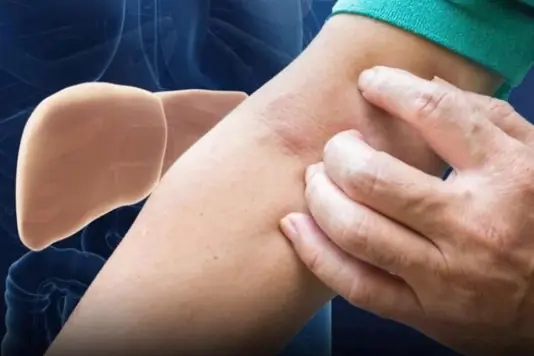
Fatty Liver Disease has become one of the most common liver conditions worldwide. Many people live with it for years without realizing it because the early stages often cause few obvious symptoms.
The liver is one of the body’s hardest-working organs. It helps:
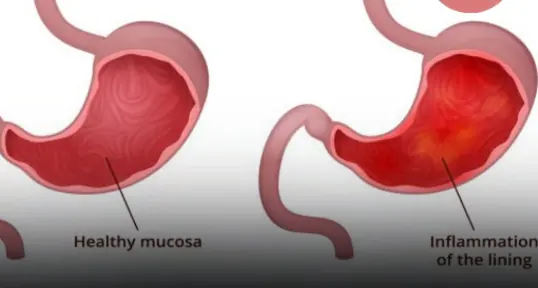
When too much fat accumulates in the liver, it may gradually affect how well the organ functions. If left unmanaged, fatty liver disease can sometimes progress to inflammation, scarring, or more serious liver complications.
The good news is that many cases — especially in early stages — may improve through lifestyle changes and healthier daily habits.
Fatty liver occurs when excess fat builds up inside liver cells.
There are two major forms:
The non-alcoholic type is especially common and is often linked to:
Many people with fatty liver do not consume large amounts of alcohol.
Modern lifestyles have contributed significantly to rising fatty liver cases.
Major contributing factors include:
Fatty liver is now increasingly seen even in younger adults and teenagers.

In early stages, fatty liver may cause no symptoms at all.
When symptoms do appear, they may include:
Some people discover fatty liver only during routine blood tests or imaging scans.
If liver damage becomes more severe, symptoms may include:
Advanced liver disease always requires professional medical care.
Several factors may increase fatty liver risk, including:
People with metabolic syndrome are particularly vulnerable.
One reason fatty liver becomes dangerous is that the liver can continue functioning for a long time despite ongoing damage.
Because symptoms develop slowly, many people ignore early warning signs until inflammation or scarring progresses further.
That’s why routine health screenings matter.

Doctors often recommend diets focused on:
Some foods commonly associated with liver-friendly eating patterns include:
Reducing processed foods and sugary drinks may also help.
Even modest weight reduction may help reduce liver fat in many individuals.
Research suggests gradual, sustainable weight loss may improve:
Extreme crash diets, however, may stress the liver further.
Regular physical activity helps:
Even simple activities like:
may help when done consistently.
Some natural approaches often discussed for liver support include:
However, “detox cures” promoted online are often exaggerated or unsupported scientifically.
The liver already has natural detoxification systems built into the body.
People with fatty liver are often advised to:
Long-term lifestyle habits matter more than quick fixes.
In some cases, doctors may recommend:
Treatment depends on:
Fatty liver is often reversible in early stages.
Making healthier choices early may help prevent progression toward:
Small consistent changes can have a significant long-term impact.

Fatty liver disease is increasingly common, yet many people remain unaware they have it because symptoms often develop quietly.
Understanding the warning signs, risk factors, and healthy lifestyle strategies may help protect liver function and overall wellness before more serious complications appear.
The liver works silently every day to protect the body and supporting it through balanced nutrition, exercise, and healthier habits may be one of the most important investments in long-term health.
How Certain Intimate Habits May Be Linked to Cervical Can.cer Risk: 3 Things to Know




You Don't Have to Smoke to Develop Lung Cancer

Doctors Reveal Who Should Be Careful With Cabbage
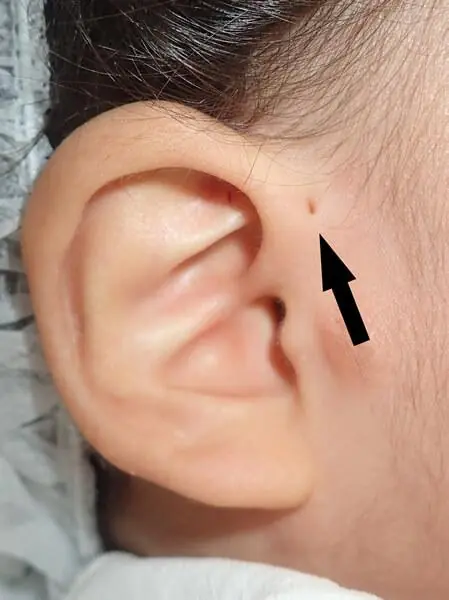
Do You Have This Tiny Hole Near Your Ear? Here's What It Really Means




The 4 Meaningful Things Some Traditions Recommend Keeping After Saying Goodbye

Dry Mouth Every Morning? The Answer Might Be Hidden in These 8 Body Signals
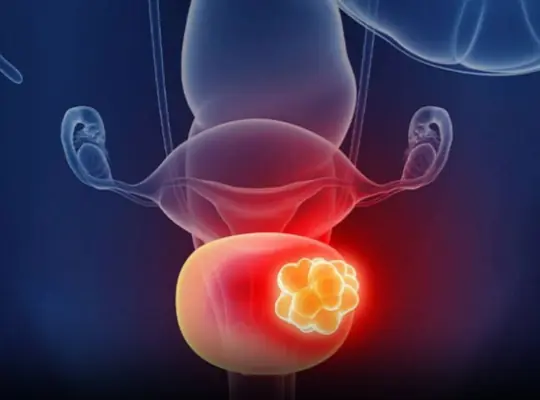
How Certain Intimate Habits May Be Linked to Cervical Can.cer Risk: 3 Things to Know

You Don't Have to Smoke to Develop Lung Cancer


Most People Misunderstand This Common Sleeping Position
Doctors Reveal Who Should Be Careful With Cabbage
Do You Have This Tiny Hole Near Your Ear? Here's What It Really Means

Have You Ever Wondered Why Lizards Enter Homes? Here's One Traditional Interpretation
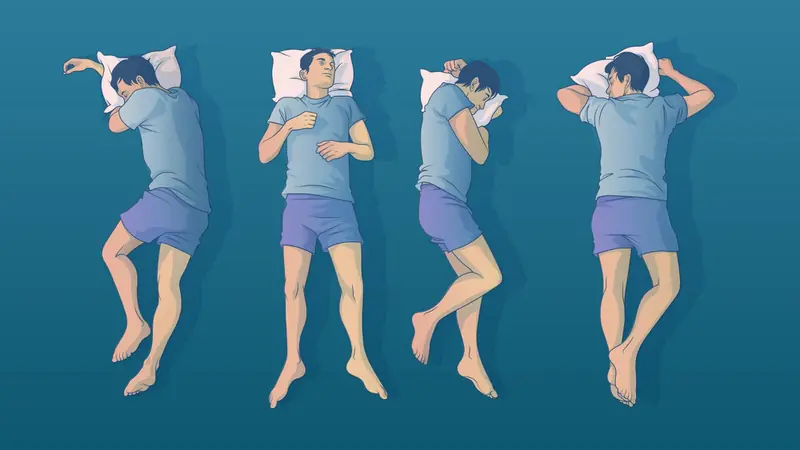
Your Sleeping Position Might Be More Interesting Than You Think
The 4 Meaningful Things Some Traditions Recommend Keeping After Saying Goodbye