If you notice that your kitten is sneezing a lot, he may need veterinary attention and intervention. Coughing and sneezing are often signs of upper respiratory infections, but can be caused by other issues. With some supportive care at home and help from your veterinarian, your kitten will be on the mend soon.
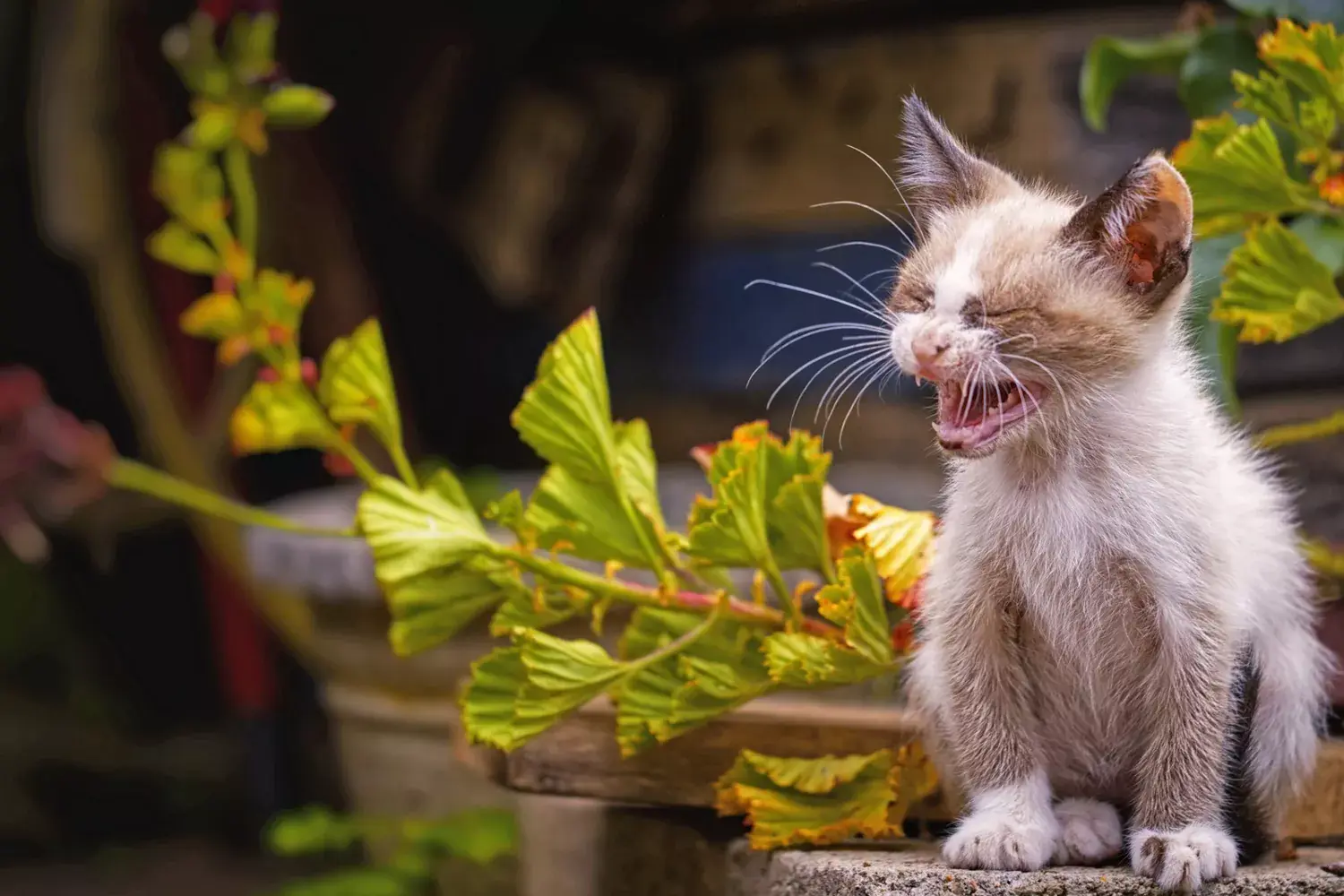
Your kitten sneezes. The first time, it’s adorable—the tiny "ah-choo," plus the way his face scrunches up afterward. But as the sneezes add up, you start to wonder…does my kitten need to see the vet?
Why Do Kittens Sneeze?
Kittens can sneeze for a variety of reasons. Common causes of kitten sneezing include:
- Odd or noxious smells, such as from cleaning products or cooking spicy food
- Airborne irritants, such as dust, dusty cat litter, pollen, perfume, or cigarette smoke
- Upper respiratory infections
- Inflammation of the nasal cavity or sinuses
- Foreign body in the nasal passages, such as a blade of grass or piece of a feather
- Excitement
- Allergic rhinitis or asthma (more common in adult cats)
- Dental problems causing inflammation and swelling to impact the sinuses (more common in adult cats)
- Cancer (rare)
Identifying the cause of your kitten’s sneezes can be very simple, or may require help from your veterinarian. Consider the environment when your kitten sneezes: Did a family member just spray Lysol, or have you been catching up on dusting? In these cases, your kitten’s nasal passages were probably just irritated a bit, and that tickling caused the sneeze. The sneezing should stop quickly once the air has cleared.
If the sneezing persists, there is probably something more involved going on. Consider if there is a pattern to the time of day or people who are around (such as a person who smokes or wears a lot of perfume) when your kitten sneezes or if it is constant. In most cases though, your kitten probably has an upper respiratory infection.
Upper Respiratory Infections
Upper respiratory infections (URIs) are common in kittens, especially if the kitten came from a high-density area such as a shelter or cattery or was found outside. These infections can be caused by viruses, bacteria, fungi, or a mix of pathogens, and are often extremely contagious.
Symptoms include:
- Sneezing
- Nasal discharge (often clear, but can be yellow, greenish, or even bloody in severe cases)
- Runny eyes (often clear, but can be yellow or greenish in more severe cases)
- Poor appetite
- Lethargy and not wanting to play
- Dehydration
- Ulcers on the tongue or in the mouth
- Coughing
- Repeated swallowing
- Enlarged lymph nodes
- Difficulty breathing
- Drooling
URI symptoms generally last about a week, and may be self-limiting and resolve on their own. More severe or chronic cases can last multiple weeks or continue off and on for the rest of your kitten’s life.
The most common culprits are the viruses feline viral rhinotracheitis (also known as feline herpesvirus) and calicivirus. Both of these viruses are very contagious and easily transmitted between cats. Feline herpes frequently includes conjunctivitis (irritation of the eyes), while calicivirus is known for causing ulcers on the tongue. Once a cat is infected with herpes, treatment is aimed at alleviating symptoms to get the virus to go into remission. If your kitten is stressed out or his immune system is compromised in the future, he can have flare-ups. Neither of these diseases is transmissible to humans.
Thankfully, we do have vaccines for both herpesvirus and calicivirus, and they are part of the kitten series your veterinarian will recommend. Common names for the vaccines that include protection for these two diseases include feline distemper vaccine, RCP (R for rhinotracheitis and C for calicivirus), and FVRCP (FVR for feline viral rhinotracheitis and C for calicivirus). While the vaccine won’t cure your kitten if he is already sick, it will help to protect against future infections and lessen symptoms. It is important to follow recommendations for vaccine boosters to make sure that your kitten develops adequate immunity to be protected.