Have you ever finished a meal at a restaurant and instinctively started gathering empty plates, stacking glasses, or moving dishes toward the edge of the table to make things easier for the server?
Perhaps you do it without thinking. You notice a waiter approaching, see several empty plates in front of you, and immediately begin organizing everything. You might even feel uncomfortable sitting back and watching someone else clear the table when you could easily help.
To some people, this behavior is simply good manners. Others consider it unnecessary because clearing tables is part of a server's job. But there may be something interesting behind this small everyday gesture.
The way people treat restaurant workers can offer clues about their attitudes toward kindness, cooperation, social awareness, and consideration for others. Helping a server clear the table may reflect certain personality tendencies, especially when the behavior comes from genuine consideration rather than a desire to impress people.
However, psychology does not identify one specific personality type simply because someone moves a few plates. A single action cannot reveal someone's entire character, and the meaning of the gesture depends on the situation, the person's intentions, and the broader pattern of their behavior.
Still, this seemingly ordinary habit provides an interesting opportunity to explore several psychological concepts that influence how people interact with others.
1. It May Reflect a Strong Sense of Empathy
One possible explanation for helping restaurant servers is empathy.
Empathy is the ability to recognize, understand, or respond to another person's emotional experience. It allows people to consider situations from someone else's perspective rather than focusing exclusively on their own needs.
When someone notices that a server is carrying several plates, moving between tables, or trying to clear a crowded surface, they may instinctively recognize that the person is managing a demanding workload.
Instead of waiting passively, they decide to make the task slightly easier.
The action may be small, but the thought behind it is meaningful: someone else is working, and there is something simple I can do to help.
People who frequently demonstrate empathy may be more attentive to signs of discomfort, fatigue, or difficulty in everyday situations.
They might notice when a colleague is overwhelmed, offer assistance to an elderly person, or help a friend without being asked.
In a restaurant, this awareness may appear through simple gestures such as moving empty plates together or making room for the server to reach the table.
However, empathy does not always require physical action. Some people express consideration by giving servers enough space, communicating politely, or avoiding unnecessary demands.
The important element is recognizing that restaurant employees are people with their own experiences, responsibilities, and limitations.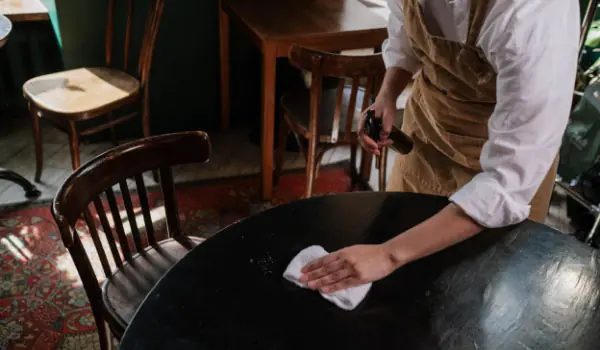
2. It May Suggest That You Are Highly Considerate
Consideration involves thinking about how your behavior affects other people.
A considerate person does not necessarily spend every moment trying to please others. Instead, they make an effort to avoid creating unnecessary difficulties for the people around them.
For example, someone who notices that a server is struggling to reach an empty glass may move it closer. Another person might arrange the plates so that they are easier to collect.
These actions demonstrate awareness of another person's immediate needs.
In psychology, this kind of behavior can be understood through the broader idea of prosocial behavior: actions intended to benefit someone else or contribute positively to a social situation.
Prosocial behavior includes helping, sharing, cooperating, comforting, and offering support.
Helping clear a table is a simple example because it requires little effort but may save another person time or make their work more convenient.
People who regularly behave considerately may also show similar tendencies in other settings.
They might hold a door open, return a shopping cart, make room for someone on public transportation, or clean up after themselves when visiting another person's home.
These actions do not necessarily indicate extraordinary generosity. They may simply reflect an everyday habit of considering other people.
3. You May Have a Strong Sense of Social Awareness
Social awareness involves recognizing what is happening around you and understanding how different people are interacting within a particular environment.
Some people enter a restaurant, enjoy their meal, and pay attention almost exclusively to the people sitting at their table.
Others naturally notice the activity around them.
They observe when a server approaches, recognize when the table needs to be cleared, and understand when their actions might make the process easier.
This does not mean they are constantly monitoring everyone. Rather, they may be particularly attentive to their surroundings.
Social awareness can help people respond appropriately to different situations.
At work, it might help someone notice that a colleague needs assistance. At a family gathering, it might encourage them to help organize the food. During a conversation, it may help them recognize when another person feels uncomfortable.
Helping a server clear the table can be one small expression of this awareness.
However, social awareness also involves knowing when not to interfere.
Some restaurant staff members have specific procedures for clearing dishes. Others may prefer to handle everything themselves, particularly when plates contain hot food, broken glass, or sharp utensils.
A socially aware person should be willing to follow the server's instructions rather than assuming that every attempt to help is automatically useful.