1. Obstructive Sleep Apnea
Obstructive sleep apnea, often shortened to OSA, is a sleep-related breathing disorder in which the upper airway repeatedly becomes partially or completely blocked during sleep.
These interruptions can reduce airflow and cause repeated brief awakenings or changes in breathing.
Common symptoms include:
-
Loud, frequent snoring.
-
Pauses in breathing noticed by another person.
-
Gasping or choking during sleep.
-
Waking with a dry mouth.
-
Morning headaches.
-
Excessive daytime sleepiness.
-
Difficulty concentrating.
-
Unrefreshing sleep.
Some people with obstructive sleep apnea sleep with their mouths open. This may contribute to drooling, particularly when combined with changes in breathing and sleeping position.
However, drooling is not a defining symptom of sleep apnea, and most people who drool do not necessarily have the condition.
The combination of loud snoring, witnessed breathing pauses, gasping, and daytime fatigue is much more concerning.
Why does sleep apnea matter?
Repeated interruptions in breathing can affect sleep quality and place additional strain on the cardiovascular system. Untreated sleep apnea is associated with increased risks of high blood pressure and other health complications.
If you suspect sleep apnea, speak with a healthcare professional. A sleep evaluation may be recommended, and some people require a sleep study to confirm the diagnosis.
Treatment depends on the severity and underlying factors. Options may include positive airway pressure therapy, certain oral appliances, weight management when appropriate, positional strategies, or selected surgical procedures.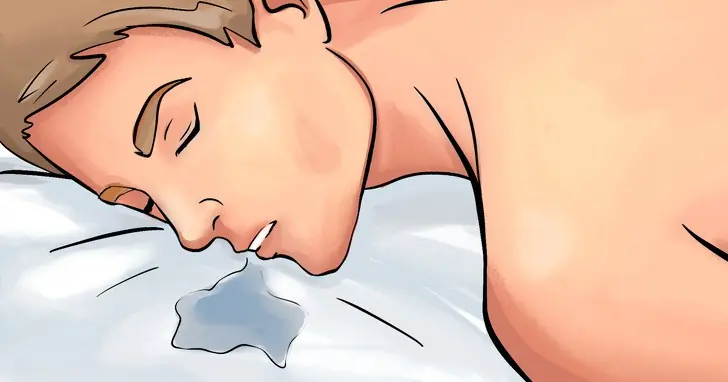
2. Gastroesophageal Reflux Disease (GERD)
Gastroesophageal reflux occurs when stomach contents move backward into the esophagus.
Occasional reflux is common, but frequent or troublesome reflux may indicate gastroesophageal reflux disease, commonly known as GERD.
Typical symptoms include:
-
Heartburn.
-
A sour or bitter taste in the mouth.
-
Regurgitation of stomach contents.
-
Discomfort after meals.
-
Symptoms that worsen when lying down.
-
A persistent sensation of irritation in the throat.
Some people with reflux experience a phenomenon known as water brash.
Water brash involves a sudden increase in watery saliva, sometimes accompanied by a sour taste. It may occur when reflux irritates the esophagus or throat and stimulates saliva production.
The additional saliva may help dilute and clear acidic material from the esophagus.
If this happens at night, a person may notice unusual wetness around the mouth or on the pillow.
However, drooling alone does not establish that someone has GERD.
If you regularly experience heartburn, sour-tasting fluid in your mouth, nighttime coughing, or symptoms that disturb your sleep, discuss them with a healthcare professional.
3. Nausea Can Increase Saliva Production
Have you ever noticed your mouth filling with saliva just before you vomit?
This is a natural protective response.
Nausea can stimulate saliva production, helping protect the mouth and teeth from stomach acid if vomiting occurs.
Some people experience nausea during the night because of digestive problems, medication effects, motion-related conditions, pregnancy, or other medical issues.
If nausea is frequent, it may contribute to unusual saliva accumulation.
The important point is to identify why the nausea is occurring.
Occasional nausea is common, but repeated nighttime nausea, persistent vomiting, severe abdominal pain, or unexplained weight loss should be evaluated.
4. Oral and Dental Problems
Conditions affecting the teeth, gums, tongue, and oral tissues may influence saliva production and swallowing comfort.
Potential contributors include:
-
Dental infections.
-
Gum inflammation.
-
Mouth ulcers.
-
Oral irritation.
-
Poorly fitting dentures or dental appliances.
-
Painful teeth or jaw problems.
Inflammation and irritation may stimulate saliva production in some cases.
Pain or discomfort may also change the way someone holds their mouth or swallows.
If drooling begins alongside toothache, swollen gums, mouth sores, or difficulty chewing, a dental examination may be helpful.
Sudden swelling of the mouth, tongue, or throat, particularly with difficulty breathing or swallowing, requires emergency medical attention.
5. Medication Side Effects
Certain medications can influence saliva production, swallowing, or muscle control.
Some drugs may increase salivation, while others can cause dry mouth. In some cases, medications affect the nervous system and make it more difficult to coordinate swallowing.
Medication groups that may be relevant include:
-
Certain antipsychotic medications.
-
Some medications used for neurological conditions.
-
Certain sedatives.
-
Some medicines that affect muscle activity.
-
Selected medications used to treat nausea or digestive symptoms.
The effect varies depending on the medication, dose, and individual response.
If nighttime drooling begins after starting a new prescription or changing a dose, discuss the timing with your doctor or pharmacist.
Do not stop or change prescribed medication without professional guidance.
Chapter 4: When Drooling May Be a Sign of a Neurological or Swallowing Problem
Most people who wake up with drool on their pillows do not have a neurological disorder.
Nevertheless, persistent or newly developed drooling can sometimes occur when the muscles and nerves responsible for swallowing are not working normally.
This is particularly important when drooling happens during the day as well as at night.
1. Difficulty Swallowing (Dysphagia)
Swallowing is a complex process involving the tongue, throat muscles, nerves, and esophagus.
Under normal circumstances, saliva is continually cleared from the mouth through automatic swallowing.
When this process becomes difficult, saliva may accumulate and escape from the lips.
The medical term for difficulty swallowing is dysphagia.
Possible symptoms include:
-
Coughing or choking while eating or drinking.
-
Feeling that food is stuck in the throat.
-
Taking unusually long to swallow.
-
A wet or gurgling voice after drinking.
-
Repeated chest infections.
-
Unexplained weight loss.
-
Drooling during the day.
-
Difficulty swallowing saliva.