Do not rely on mouth taping as a solution to nighttime drooling. It can be unsafe for people with nasal obstruction, sleep apnea, or swallowing difficulties.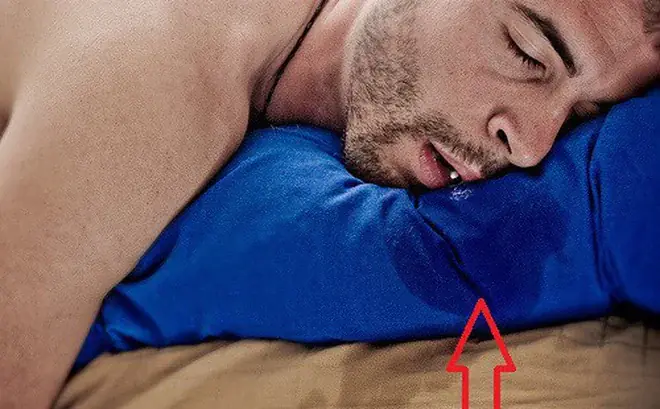
3. Review Your Evening Eating Habits
If reflux may be contributing to nighttime saliva accumulation, changing certain eating habits may help.
Consider:
-
Avoiding very large meals shortly before bedtime.
-
Leaving several hours between your evening meal and lying down.
-
Identifying foods that consistently trigger heartburn.
-
Limiting alcohol if it worsens your symptoms.
-
Avoiding smoking.
Some people find that elevating the head of the bed helps reduce nighttime reflux.
If symptoms occur frequently, a healthcare professional can determine whether medication or further testing is appropriate.
4. Maintain Good Oral Hygiene
Good oral hygiene supports healthy teeth and gums and can help prevent conditions that cause irritation inside the mouth.
A basic routine includes:
-
Brushing twice daily with fluoride toothpaste.
-
Cleaning between the teeth every day.
-
Cleaning the tongue gently.
-
Replacing toothbrushes regularly.
-
Visiting a dentist for routine examinations.
If you experience tooth pain, gum swelling, mouth ulcers, or persistent bad breath, seek dental advice.
Oral health problems may not be the primary cause of nighttime drooling, but they can contribute to discomfort and changes in saliva production.
5. Check Whether Medication Could Be Responsible
If drooling begins after starting a new medication, write down when the symptoms started and whether they have changed over time.
Your doctor or pharmacist can review the medication list and determine whether a side effect is possible.
In some situations, adjusting the dose or changing medication may be considered.
Never stop a prescribed drug simply because you suspect it is causing drooling. The risks of suddenly discontinuing certain medications can be significant.
6. Consider a Medical Evaluation for Persistent Symptoms
If drooling occurs frequently and interferes with your sleep or daily life, a medical assessment can help identify the cause.
Depending on your symptoms, the evaluation may involve:
A medical history: Your doctor may ask when the problem began, how often it occurs, whether it happens during the day, and whether you have nasal congestion, reflux, or swallowing difficulties.
A physical examination: The doctor may examine your nose, mouth, throat, facial muscles, and neurological function.
A sleep assessment: If you snore loudly, gasp during sleep, or experience daytime sleepiness, an evaluation for sleep apnea may be recommended.
A swallowing assessment: If you cough, choke, or struggle to swallow, a specialist may assess how effectively you manage saliva, food, and liquids.
Additional tests: Depending on the suspected cause, further investigations may include imaging, sleep studies, or specialized swallowing tests.
Treatment depends on the diagnosis.
For example, nasal allergies may require allergy treatment, while GERD may require changes in eating habits or medication. Swallowing problems may require specialist care and sometimes swallowing therapy.
7. Are There Treatments for Excessive Drooling?
When drooling is persistent and medically significant, several treatment options may be available.
The appropriate choice depends on whether the problem involves excessive saliva production, reduced swallowing, or difficulty controlling the mouth muscles.
Possible approaches include:
Swallowing therapy: Speech-language pathologists can assess swallowing function and teach techniques that may improve oral control and saliva management.
Medication: In selected cases, doctors may prescribe medicines that reduce saliva production. These medications can have side effects, including dry mouth, constipation, blurred vision, and urinary difficulties.
Botulinum toxin injections: In certain patients with severe drooling, injections into specific salivary glands may reduce saliva production for a period of time. This treatment requires specialist assessment and careful monitoring because excessive reduction in saliva or swallowing-related complications can occur.
Surgical options: In rare, severe cases that do not respond to other treatments, specialists may consider procedures involving the salivary glands or ducts.
These treatments are not necessary for ordinary occasional drooling during sleep.
The first priority is always to determine why the drooling is happening.
Final Thoughts: Is Waking Up With Drool on Your Pillow Something to Worry About?
Finding drool on your pillow every morning may feel unpleasant, but it is not automatically a warning sign of serious illness.
For many people, the explanation is relatively simple: the mouth relaxes during sleep, swallowing becomes less frequent, and saliva escapes more easily when the lips remain open.
Sleeping on your side or stomach, nasal congestion, allergies, and mouth breathing can all contribute.
In other cases, nighttime drooling may be associated with acid reflux, medication side effects, sleep apnea, dental problems, or conditions that affect swallowing and muscle coordination.
The most important clue is whether the drooling occurs alone or alongside other symptoms.
Occasional drooling without discomfort or other health changes is generally less concerning. Persistent drooling, particularly when it begins suddenly or occurs during the day, deserves closer attention.
Seek medical advice if you experience difficulty swallowing, repeated choking, unexplained weight loss, persistent reflux, or significant changes in your sleep or breathing.
Seek emergency help if drooling begins suddenly alongside facial weakness, slurred speech, difficulty breathing, or an inability to swallow saliva.
Your pillow may reveal a small detail about your sleeping habits, but it cannot diagnose a medical condition.
Pay attention to changes, look for accompanying symptoms, and avoid jumping to conclusions. Sometimes the explanation is simply gravity and a relaxed jaw. Other times, persistent drooling is a useful reason to take a closer look at your health.