Foamy Urine: Here’s Why You Have Bubbles in Your Urine and What You Can Do About It
Have you ever noticed bubbles or foam in your urine and wondered what it means? While occasional foamy urine is usually harmless, persistent or excessive foam can sometimes signal underlying health issues. Understanding why this happens and when to seek medical attention is crucial for protecting your overall well-being.
What Causes Foamy Urine?
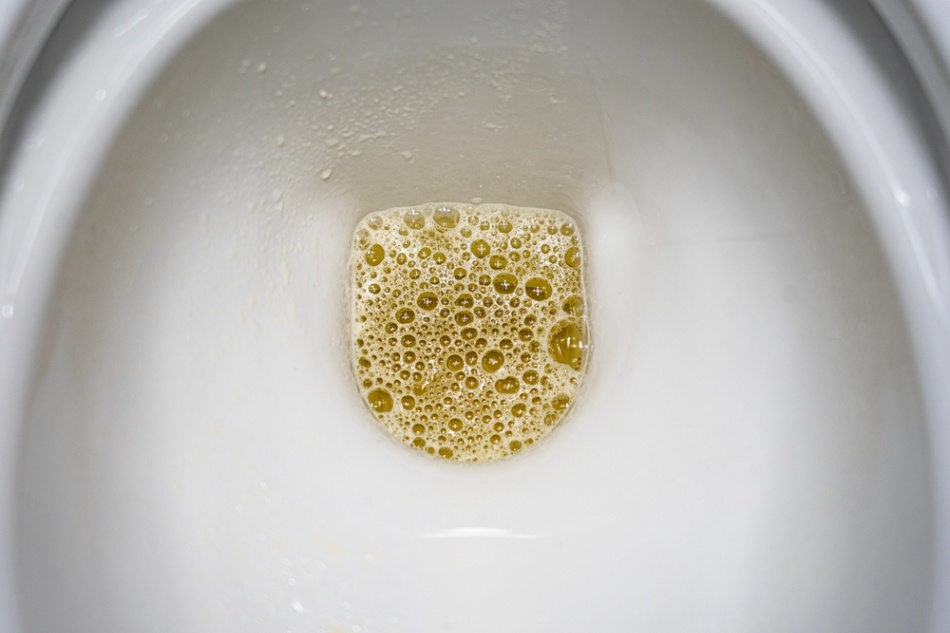
Foamy urine occurs when bubbles form due to rapid urination or the presence of certain substances in your urine. Here are the most common reasons:
1. Speed and Force of Urination
If you urinate quickly, the impact of the urine hitting the toilet water can create foam. This is generally harmless and temporary, especially if it happens occasionally.
2. Dehydration
Concentrated urine due to dehydration can appear foamy. When your body lacks fluids, urine becomes darker and more concentrated, increasing the likelihood of bubbles. Drinking enough water usually resolves this issue.
3. Protein in Urine (Proteinuria)
One of the more serious causes of persistent foamy urine is the presence of excess protein, particularly albumin. This condition, known as proteinuria, can indicate kidney problems, including:
- Kidney disease
- Glomerulonephritis (inflammation of the kidneys)
- Diabetes-related kidney damage
If you notice foamy urine along with swelling in your legs, fatigue, or high blood pressure, it’s important to consult a doctor promptly.
4. Urinary Tract Infections (UTIs)

UTIs can sometimes lead to foamy urine due to the presence of pus, bacteria, or excess mucus. Other symptoms may include burning during urination, frequent urges to pee, or cloudy urine.
5. Certain Medications and Supplements
Some medications, such as diuretics, and supplements like high-dose vitamin C, can alter urine composition and produce foam. Always review your medications with a healthcare professional if you notice persistent changes.
6. Other Health Conditions
Foamy urine can also be a warning sign of other systemic health issues, such as high blood pressure, diabetes, or heart disease. Persistent foam should never be ignored, especially if it occurs alongside other symptoms.
When Is Foamy Urine Normal?
Occasional foam is usually nothing to worry about. Common scenarios include:
- Urinating quickly or from a height
- After intense exercise
- First urination of the day (more concentrated urine)
In these cases, simply monitoring hydration and frequency is often enough.
What You Can Do About It
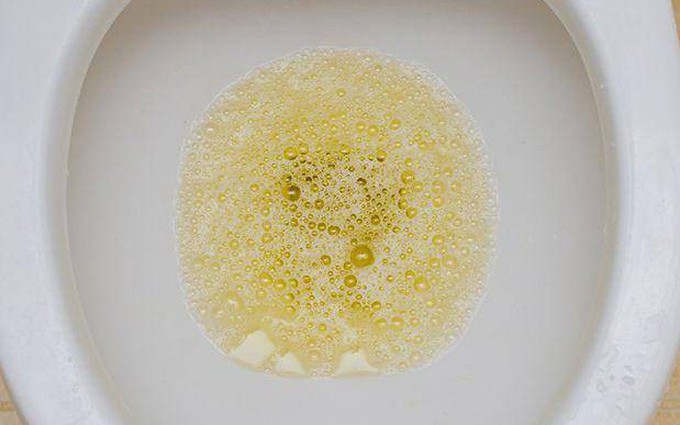
Here are steps to help reduce foamy urine or address underlying causes:
- Stay Hydrated
Drinking plenty of water helps dilute urine, reducing foam caused by concentration. - Monitor Diet and Protein Intake
High-protein diets can sometimes cause temporary foamy urine. Keep track of protein sources and discuss with a nutritionist if needed. - Check Medications and Supplements
Some drugs and supplements may affect urine composition. Speak with your doctor before making changes. - Consult a Doctor
If foamy urine is persistent, occurs with swelling, fatigue, or other unusual symptoms, schedule a checkup. A urinalysis can detect protein, infections, or other abnormalities. - Maintain a Healthy Lifestyle
Managing blood pressure, controlling blood sugar, and eating a balanced diet support kidney health and reduce the likelihood of foam caused by health issues.
Final Thoughts
Foamy urine is often harmless, especially if it appears occasionally. However, persistent or excessive foam can be a sign of kidney issues or other health problems, and shouldn’t be ignored. By staying hydrated, monitoring your diet, and seeking medical advice when needed, you can protect your kidneys and overall health.
Remember: Your urine can tell you a lot about your health—don’t ignore the signs!