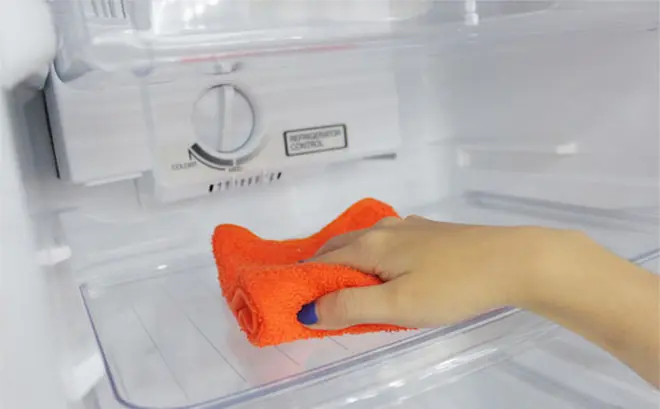
Why Is Your Fridge Leaking? Easy Fixes and Tips to Keep It Running Smoothly
Refrigerator Leaking? Causes, Quick Fixes, and Maintenance Tips You Should Know
Tips 06/04/2026 10:43
Snakes are a natural part of many environments, from forests and fields to suburban backyards. While most snakes are harmless and even beneficial to ecosystems, some species can pose serious risks due to venom. Knowing how to recognize key differences—quickly and safely—can make a critical difference in avoiding danger.
It’s important to remember: no identification method is 100% reliable. When in doubt, always keep a safe distance and treat any unknown snake as potentially dangerous.

Understanding whether a snake is venomous is not about curiosity - it’s about safety. Quick recognition can help:
However, the goal is never to approach or handle a snake. Observation from a distance is always the safest option.
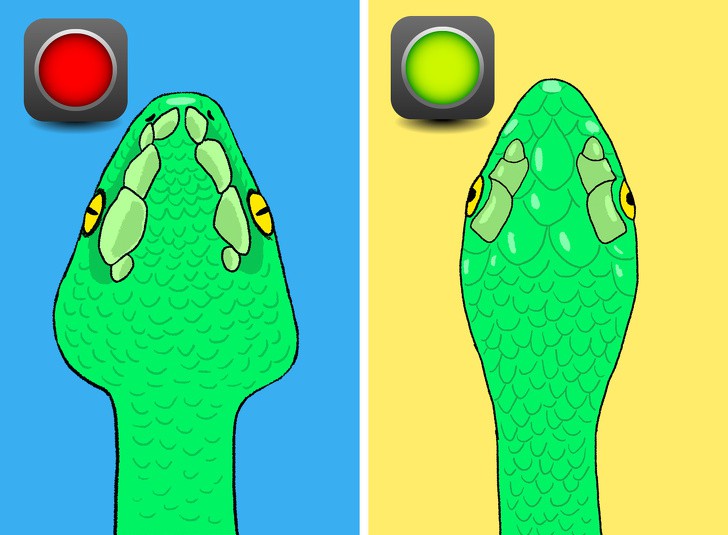
One commonly mentioned difference is head shape.
Important note:
Some harmless snakes flatten their heads to mimic venomous ones, so this feature alone is not definitive.
Looking at the eyes (from a safe distance) can provide clues:
Caution:
This is not universal. Some venomous snakes (like cobras) may have round pupils.
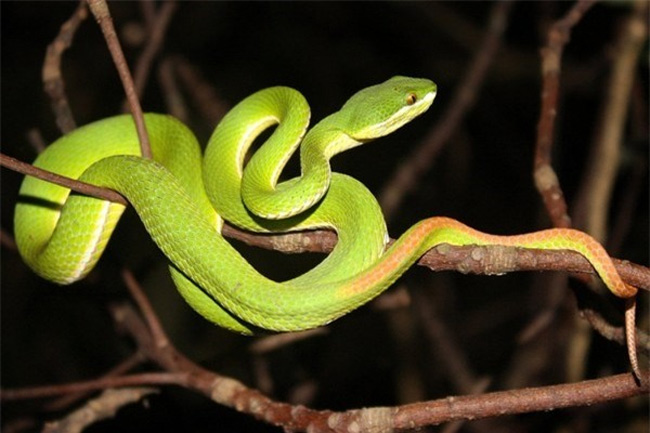
Many venomous snakes use bold colors as a warning signal.
Example rule (region-specific):
In some areas, rhyme-based rules exist to distinguish species—but these are not globally reliable.
Behavior can also provide clues:
Still, behavior varies widely depending on the situation and species.
Some venomous snakes, especially pit vipers, have small heat-sensing pits between their eyes and nostrils.
Note:
This feature can be difficult to see without getting too close—so it’s not practical for real-life quick decisions.
Regardless of whether a snake is venomous or not, safety comes first:
Never attempt to touch, capture, or kill a snake, as this increases the risk of bites.
If someone is bitten:
Avoid outdated methods like cutting the wound or trying to suck out venom.
Recognizing the difference between venomous and harmless snakes can be useful, but it should never replace caution. Nature is complex, and many species blur the lines between these categories.
The safest mindset is simple: observe, respect, and keep your distance. In most cases, snakes are not looking for conflict - they simply want to be left alone. Understanding this can help ensure both your safety and theirs.
Refrigerator Leaking? Causes, Quick Fixes, and Maintenance Tips You Should Know
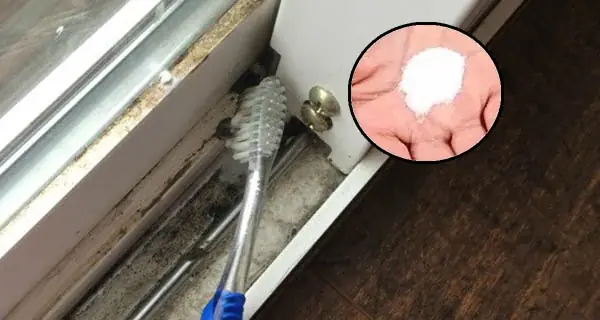
Add a Little Salt to Door Gaps, Wait 5 Minutes, and See What Happens
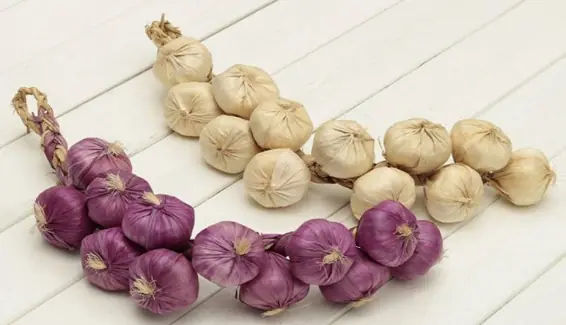
Which is better to buy: white-skinned or purple-skinned garlic?

Don’t Overthink It: Your First Choice Says Everything
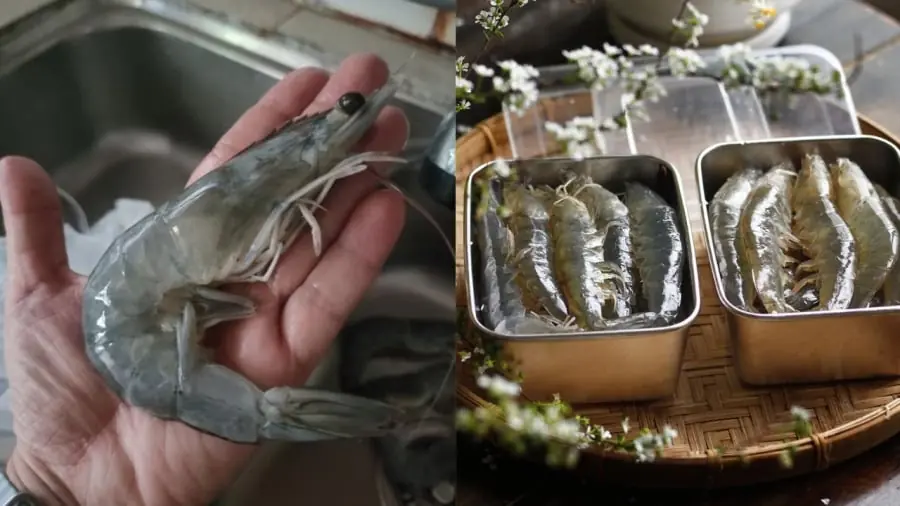
Your Shrimp Keeps Going Mushy? Here’s the Secret You Missed

Your Clothes Take Too Long to Dry? Here’s the Fix Everyone’s Talking About
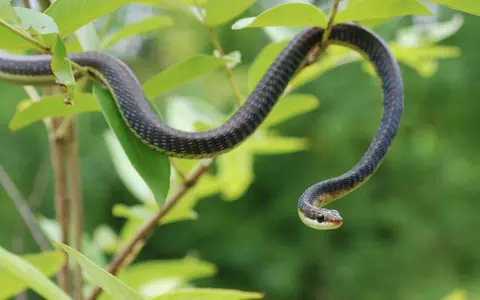
8 plants you should be careful with as they can attract snakes indoors

Keep your ginger fresh for months with simple methods that don’t require refrigeration or extra effort
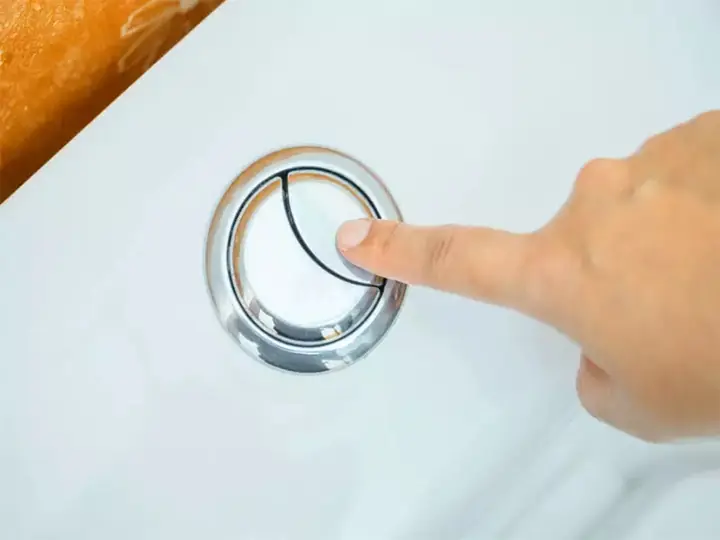
Do You Really Need to Flush Every Time? Here’s Why It Might Not Be Ideal
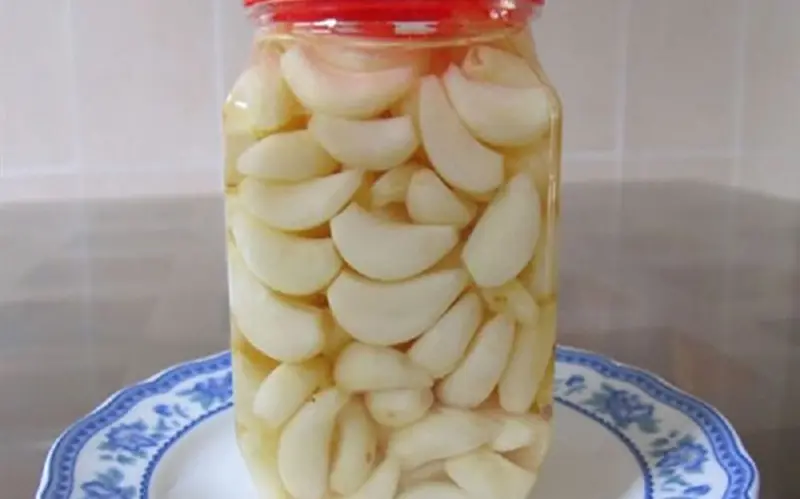
For perfectly pickled garlic, don’t skip this step - it keeps the cloves white, crisp, and long-lasting
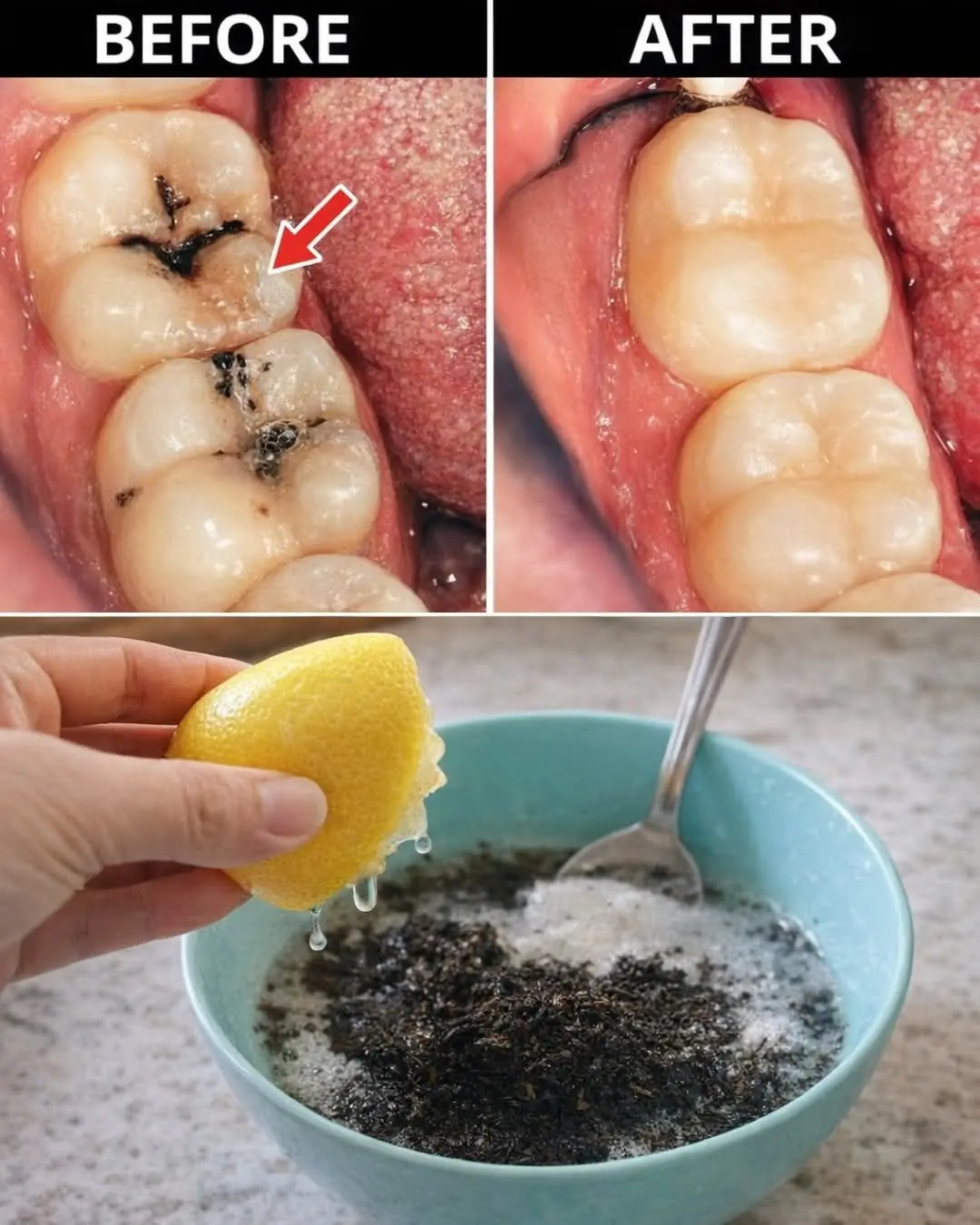
Tooth Decay Might Not Be Permanent
If a snake crawls into your home, these simple items can help drive it out fast
This Hidden Feature Changes Everything
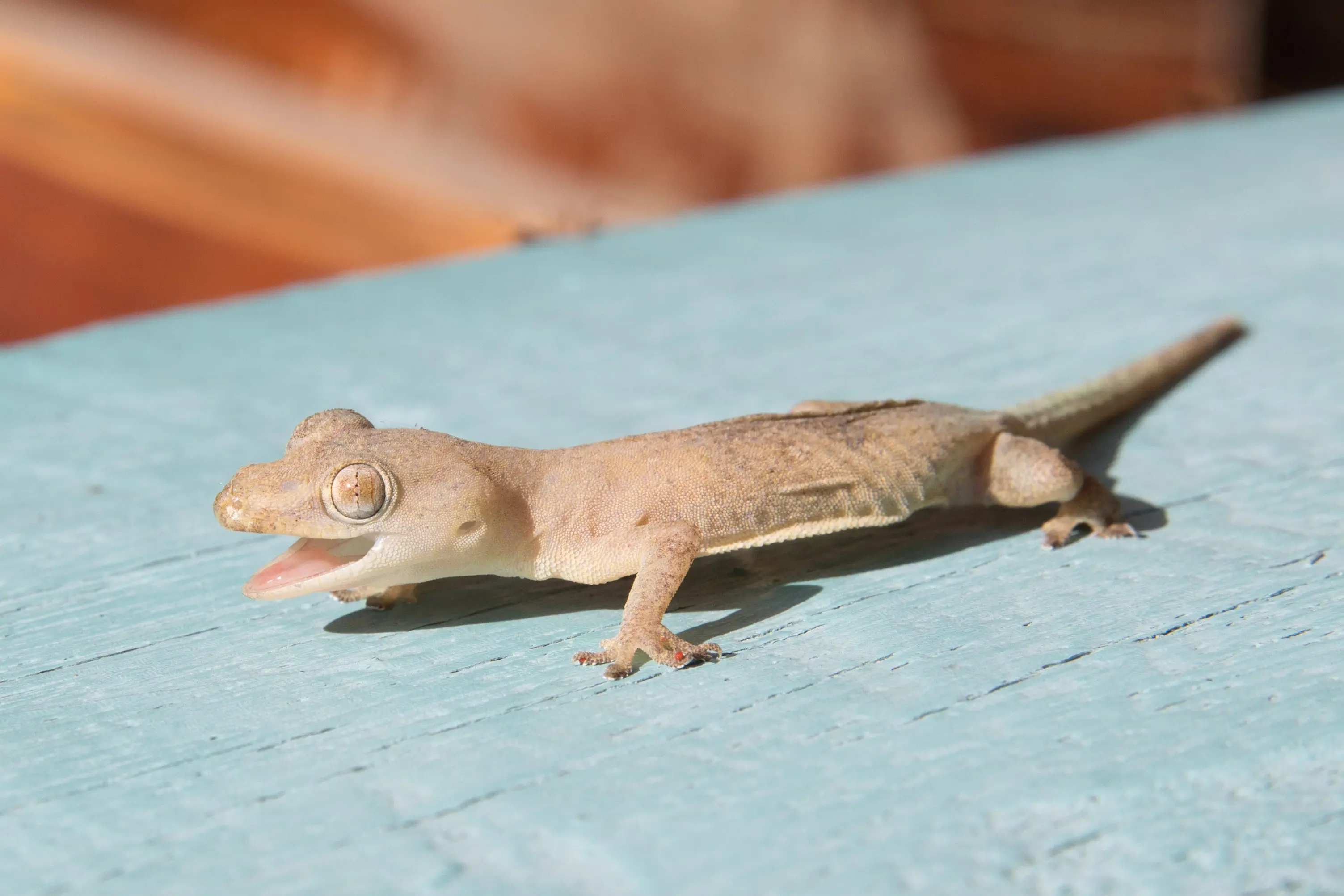
Tired of geckos coming back? Try these easy methods to prevent their return
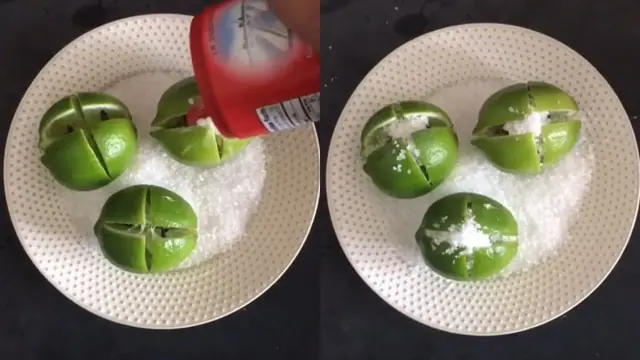
5 Unexpected Benefits of Using Lemon and Salt in Your Living Space

Check Your Garden Now—Snakes Might Be Hiding Here
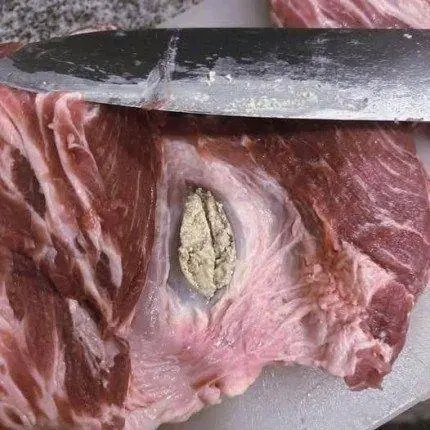
I Bought This Meat… Then Started Thinking Twice
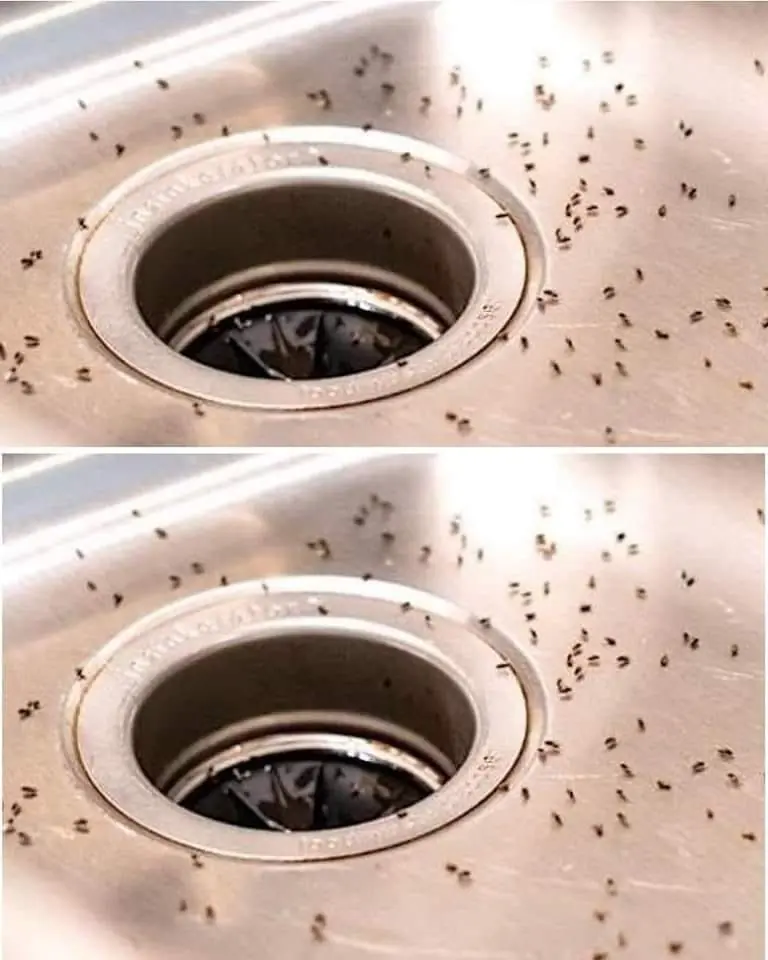
These Tiny Flies Are Invading Your Kitchen — Here’s Why

6 hidden tricks your phone’s volume buttons can do that most people don’t realize
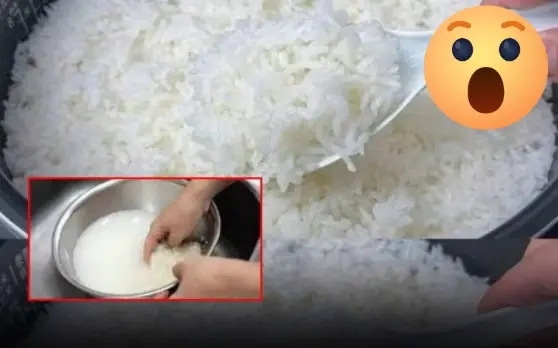
Tired of mushy, sticky, or undercooked rice? You’re not alone—and the secret to fixing it isn’t just “use less water.” Hotels and pro chefs use a game-changing technique that guarantees fluffy, restaurant-quality rice every time.

It’s fragrant, refreshing, and a staple in many Southeast Asian kitchens — but did you know that one of the world’s most surprising “deadly foods” might be sitting in your pantry?
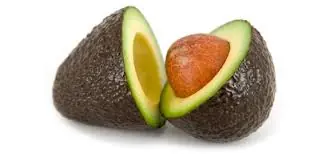
Eating Avocados? Here Are 5 Side Effects You Shouldn’t Ignore

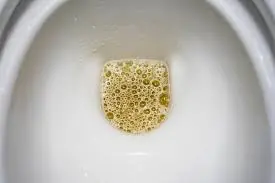
Seeing Bubbles in Your Urine? Here’s Why It Happens and How to Protect Your Kidneys

What Left Rib Pain Could Mean—And Why You Should Pay Attention

It starts in the morning… but can get serious

Doctors Reveal the Surprising Effects of Eating Turnips Every Day
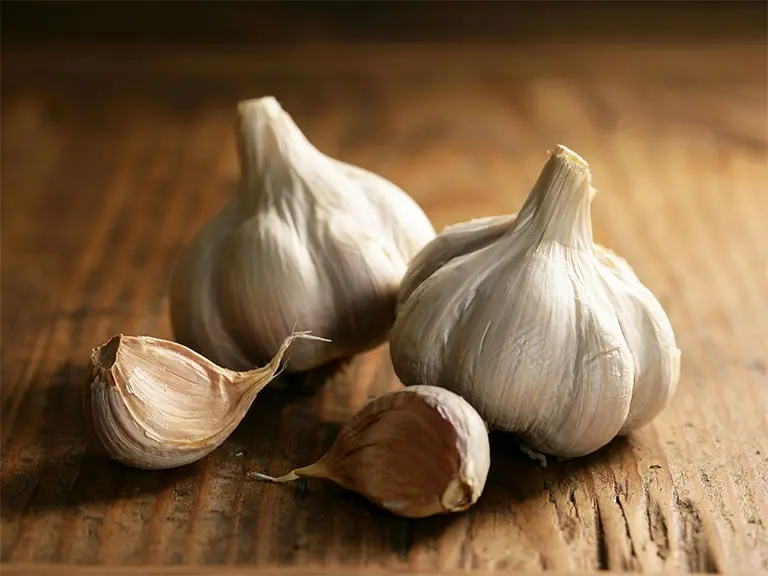
Doctors Reveal What Happens If You Eat Garlic Before Bed Every Night

Roses Revealed: The Hidden Power Beyond Their Beauty and Fragrance

A 65-Year-Old Man D.ies from a Heart At.tack: Doctors W.arn – No Matter How Thirsty You Are, Don’t Drink These 4 Types of Liquids Before Bed

Waking up in the middle of the night, especially between 3 and 4 AM, can be frustrating and disruptive to your sleep.

The heartbreaking story of a 5-year-old child losing the battle against late-stage cancer has shaken many parents and health professionals.
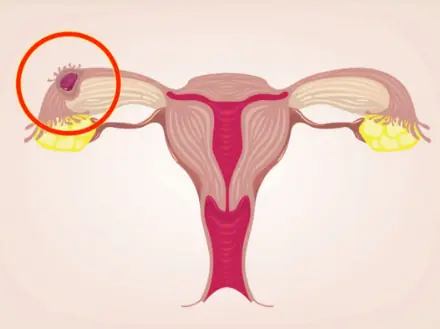
Many women focus on maintaining a healthy lifestyle, but few realize that some everyday foods could be silently damaging their reproductive health.

Think Sleeping With Socks Is Simple? Here’s What It Does to Your Body
Refrigerator Leaking? Causes, Quick Fixes, and Maintenance Tips You Should Know
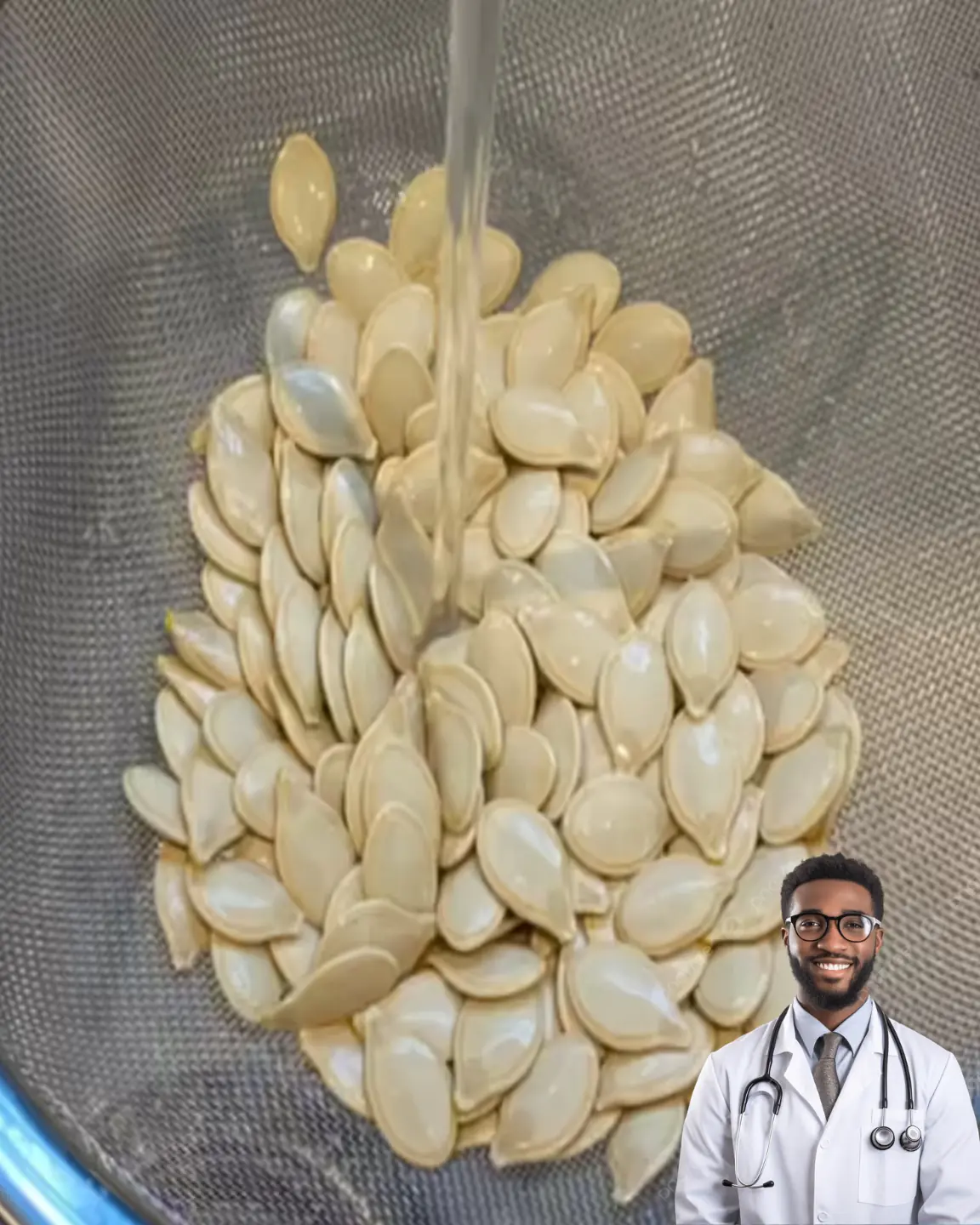
5 Reasons to Make Pumpkin Seed Water Your Morning Habit
Add a Little Salt to Door Gaps, Wait 5 Minutes, and See What Happens

Eat Peas Regularly? Here’s What Your Body Is Telling You