As people age, their bodies change in many ways - including how the skin functions and retains moisture. While daily showers are often seen as a standard hygiene practice, they may not always be necessary - or even beneficial for individuals over 65. In fact, adjusting bathing habits can help protect skin health, improve comfort, and support overall well-being.
Understanding the right balance is key to maintaining hygiene without causing unnecessary dryness or irritation.
Why Daily Showers May Not Be Necessary
The skin naturally produces oils that help keep it soft, protected, and hydrated. As we age, oil production decreases, making the skin thinner and more sensitive.
Frequent showering - especially with hot water and strong soaps can:
- Strip away natural oils
- Lead to dry, itchy skin
- Increase the risk of irritation or cracking
For older adults, preserving these natural oils is important for maintaining skin integrity and preventing discomfort.
The Ideal Bathing Frequency
For most adults over 65, showering 2–3 times per week is generally sufficient to maintain cleanliness and health. However, this can vary depending on lifestyle, activity level, and personal preference.
When more frequent bathing may be needed:
- After sweating heavily
- During hot weather
- After physical activity
When less frequent bathing is appropriate:
- In cooler climates
- For individuals with very dry or sensitive skin
- When mobility is limited
The goal is not to follow a strict rule, but to adapt based on individual needs.

Focus on Key Areas Daily
Even without a full shower, daily hygiene is still essential. Cleaning specific areas helps maintain freshness and prevent infections.
Key areas to clean daily include:
- Face
- Hands
- Underarms
- Feet
- Groin area
This can be done with a quick wash at the sink or using a warm, damp cloth.
Gentle Skincare Matters
Choosing the right products is just as important as how often you bathe.
Recommended practices:
- Use mild, fragrance-free cleansers
- Avoid very hot water—opt for warm temperatures
- Apply moisturizer immediately after bathing
- Pat skin dry instead of rubbing
These steps help protect the skin barrier and reduce dryness.
Safety in the Bathroom
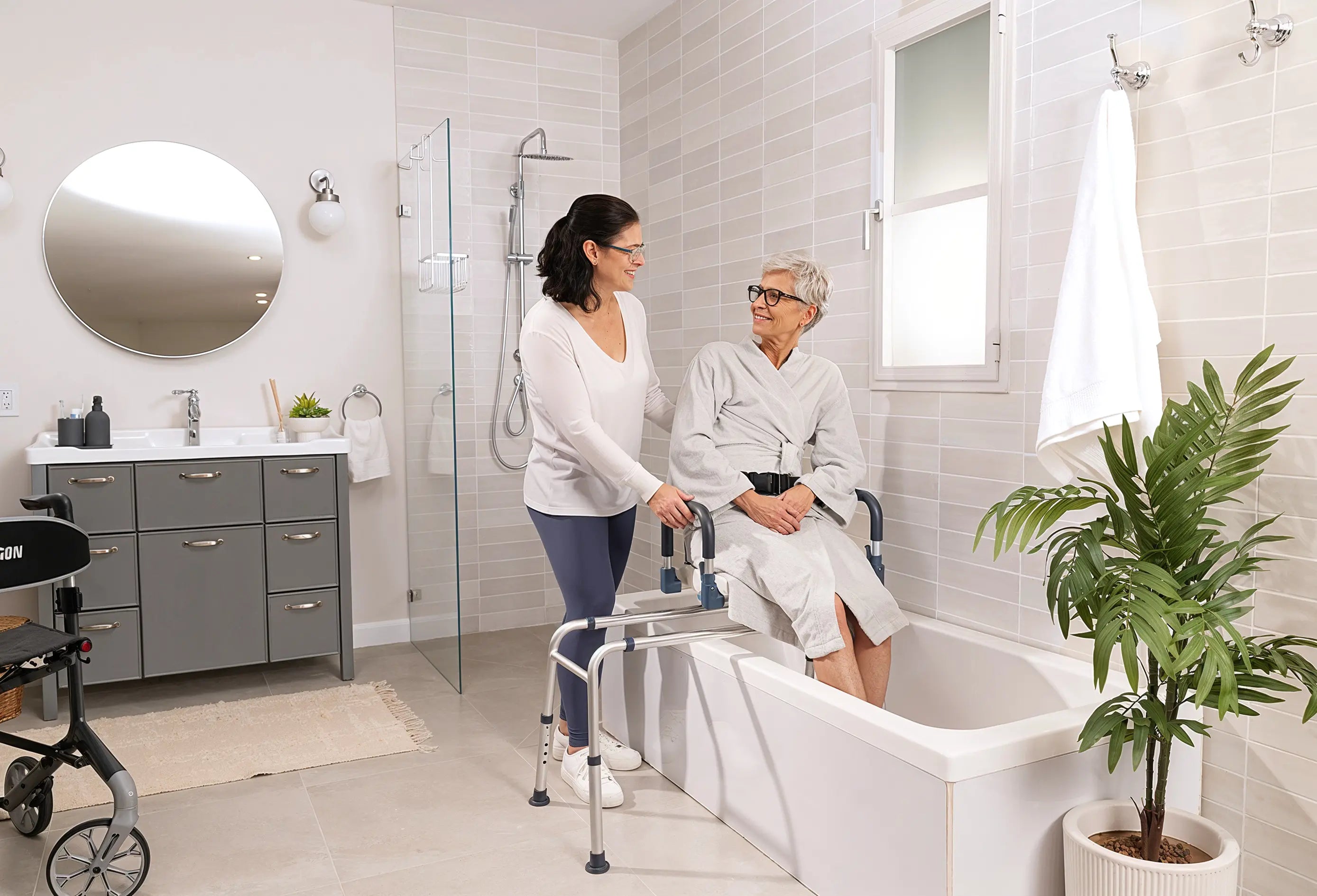
For older adults, safety is an essential part of hygiene routines. Bathrooms can be slippery, increasing the risk of falls.
Safety tips:
- Install grab bars
- Use non-slip mats
- Consider a shower chair
- Ensure proper lighting
A safe environment makes regular hygiene easier and more comfortable.
Listen to Your Body
There is no one-size-fits-all approach to hygiene after 65. Some people may prefer more frequent showers, while others feel better with fewer.
The most important factors are:
- Comfort
- Skin condition
- Overall health
Paying attention to how the body responds can help determine the best routine.
Final Thoughts
Maintaining hygiene after 65 is not about strict rules - it’s about balance. Showering less frequently can actually support healthier skin, as long as daily cleanliness is maintained through simple habits.
By focusing on gentle care, proper frequency, and safety, it’s possible to stay clean, comfortable, and healthy without overdoing it. Sometimes, less really is more - especially when it comes to caring for aging skin.