Having your gallbladder removed can bring significant relief if you have been dealing with painful gallstones, inflammation, or other gallbladder problems. But once the surgery is over, many people naturally wonder what life will be like without this small organ.
Will digestion change?
Will you have to avoid fatty foods forever?
Why do some people experience diarrhea or bloating after surgery?
And is it normal to feel different for a while?
The good news is that most people can live normally without a gallbladder. The liver continues to produce bile, which is essential for digesting fats. The main difference is that bile is no longer stored and concentrated in the gallbladder. Instead, it flows more continuously from the liver into the small intestine.
For some people, this change is barely noticeable. For others, the digestive system needs some time to adjust.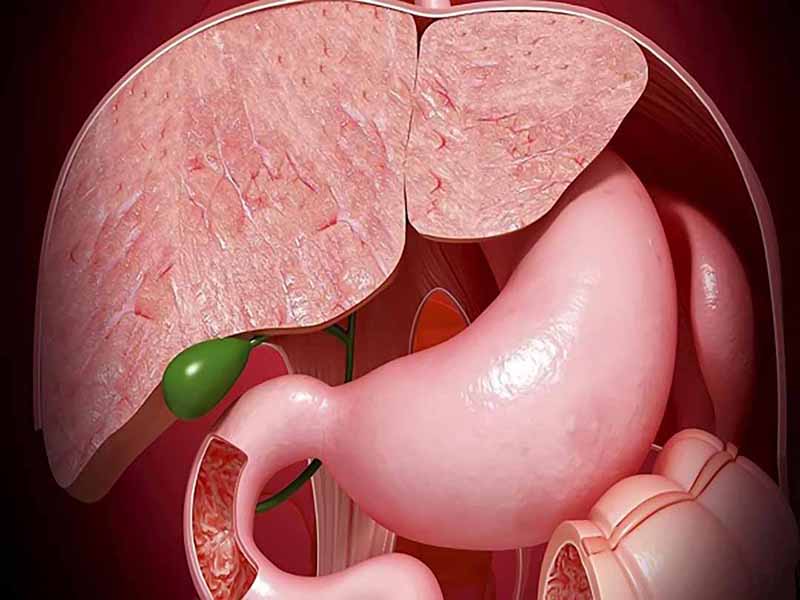
What Does the Gallbladder Actually Do?
The gallbladder is a small, pear-shaped organ located beneath the liver.
Its main job is not to produce bile. The liver produces bile. Instead, the gallbladder acts as a storage reservoir.
Between meals, bile produced by the liver is stored and concentrated inside the gallbladder. When you eat—particularly when a meal contains fat—the gallbladder contracts and releases bile into the small intestine.
Bile helps the body break down and absorb dietary fats and fat-soluble vitamins.
When the gallbladder is removed during a procedure called a cholecystectomy, the liver continues making bile. However, there is no longer a storage pouch to hold it between meals.
Instead, bile can flow more continuously into the intestine.
That change is one of the main reasons some people notice differences in digestion after surgery.
Your Body Does Not Stop Making Bile
One common misunderstanding is that gallbladder removal means the body can no longer digest fat.
That isn't correct.
Your liver continues producing bile after gallbladder removal.
The digestive system simply handles bile differently.
Without a gallbladder, there is no reservoir that can suddenly release a concentrated amount of bile when you eat a large or fatty meal. Instead, bile reaches the intestine more continuously.
For most people, this is sufficient for normal digestion.
However, during the early recovery period, some people may notice that certain foods—especially high-fat foods—are harder to tolerate.
Diarrhea Can Occur After Gallbladder Removal
One of the most frequently discussed digestive changes after gallbladder surgery is looser or more frequent bowel movements.
Some people experience diarrhea shortly after surgery, while others notice it later.
One possible reason is the altered movement of bile into the intestine. Because bile may enter the intestine more continuously, increased amounts of bile acids can sometimes reach the colon. In susceptible people, this can contribute to watery or urgent bowel movements.
Fortunately, post-surgery diarrhea is often temporary.