A very large amount of fat in a single meal may be more difficult to tolerate than a moderate amount spread across several meals.
What About Coffee, Spicy Foods, and Dairy?
There is no universal list of foods that everyone must avoid after gallbladder removal.
Some people notice that coffee stimulates bowel movements or worsens diarrhea.
Others may find spicy foods irritating.
Some people may temporarily have difficulty with dairy products, particularly if they already have lactose intolerance.
The important point is that food tolerance is individual.
Rather than eliminating dozens of foods unnecessarily, pay attention to patterns.
If a particular food consistently produces symptoms, reduce it temporarily and discuss persistent problems with a healthcare professional or registered dietitian.
Can You Take Supplements After Gallbladder Removal?
Gallbladder removal does not automatically mean that you need digestive enzymes, bile supplements, or large doses of vitamins.
Most people can obtain what they need through a balanced diet.
Taking supplements without a specific reason can sometimes create unnecessary problems, especially because supplements can interact with medications or affect the gastrointestinal tract.
If you believe you're having difficulty absorbing nutrients or fat-soluble vitamins, speak with a healthcare professional before starting supplements.
Life Without a Gallbladder Is Usually Possible Without Major Restrictions
Perhaps the most reassuring fact is that the gallbladder is not an essential organ for survival.
People can live healthy, active lives without one.
The liver continues producing bile. The digestive system continues functioning. Over time, many people return to eating normally and stop noticing the absence of their gallbladder in everyday life.
The adjustment period can be frustrating, especially if diarrhea or food sensitivity develops, but these problems should not automatically be interpreted as permanent.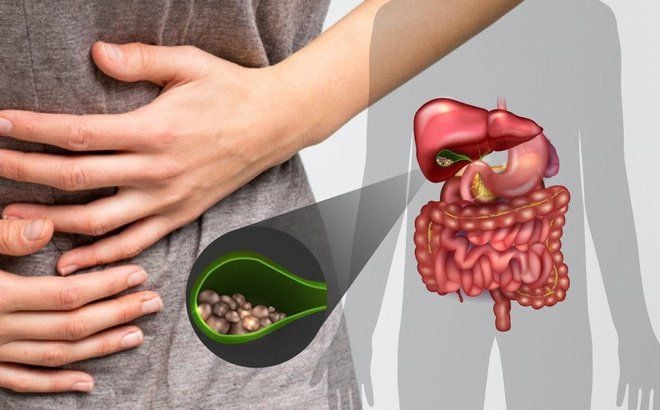
The Bottom Line
Gallbladder removal can change digestion, but it doesn't mean your digestive system stops working normally.
The biggest difference is how bile reaches the intestine. Before surgery, the gallbladder stores and concentrates bile. After surgery, bile flows more continuously from the liver into the digestive tract.
That change can cause temporary or persistent symptoms in some people, including:
-
Loose stools or diarrhea
-
Bloating
-
Gas
-
Abdominal discomfort
-
Urgency after meals
-
Difficulty tolerating very fatty foods
For many people, these symptoms improve as the body adapts.
Eating smaller meals, limiting very fatty foods during early recovery, and gradually expanding your diet can make the transition easier. There is generally no requirement for a strict lifelong diet, although individual tolerance varies.
Most importantly, persistent or severe symptoms should not simply be blamed on gallbladder removal. Conditions such as bile acid diarrhea or other gastrointestinal problems may be treatable once the underlying cause is identified.
Gallbladder surgery can mark the end of painful gallstone attacks for many patients, but recovery is still a process. Understanding what is normal, paying attention to your body's response to food, and staying in contact with your healthcare team can make that transition much easier.