When preparing a meal, most people peel garlic cloves and immediately toss the papery outer skins into the trash without a second thought. After all, they seem dry, flavorless, and useless. However, garlic peels have been used in various traditional household practices for years, and modern research suggests they still contain small amounts of beneficial plant compounds that may make them useful in the kitchen and around the home.
While garlic peels are not a miracle ingredient, and they should never replace proper cleaning products or medical treatments, they can be creatively reused in ways that help reduce food waste and make the most of every part of the garlic bulb.
If you're looking for simple ways to make your kitchen more sustainable, here are several practical uses for garlic peels that may surprise you.
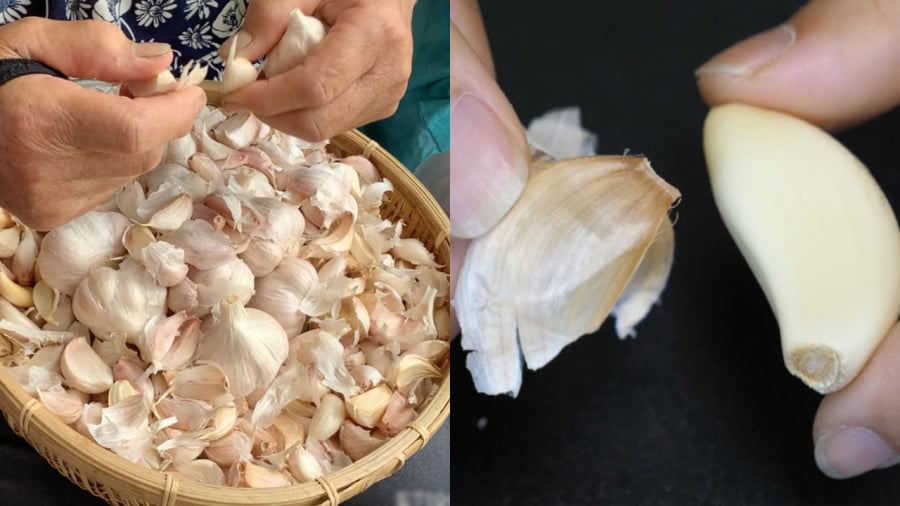
Why Garlic Peels Deserve a Second Look
Garlic (Allium sativum) is widely recognized for its nutritional value and distinctive flavor. Most of its beneficial compounds are concentrated in the cloves, but studies have found that the outer skins also contain small amounts of:
-
Polyphenols
-
Flavonoids
-
Antioxidants
-
Dietary fiber
Although the concentrations are much lower than in fresh garlic cloves, these compounds have inspired researchers to explore ways garlic peels can be reused rather than discarded.
From a sustainability perspective, using garlic peels also helps reduce kitchen waste.
1. Add Flavor to Homemade Broth
One of the easiest ways to reuse garlic peels is by adding them to homemade vegetable or chicken broth.
As the broth simmers, the peels may contribute a mild garlic aroma without becoming overpowering.
Simply add:
-
Garlic peels
-
Onion skins
-
Carrot tops
-
Celery leaves
-
Herb stems
to a pot of water with your preferred vegetables or bones.
Once the broth is finished, strain out the solids before serving.
This method allows you to use parts of vegetables that would otherwise be discarded.
2. Infuse Soups and Stews
If you're making:
-
Soup
-
Stew
-
Stock
-
Braised dishes
you can wrap garlic peels in a small cheesecloth bag or tea infuser and simmer them during cooking.
Remove the peels before serving.
This provides a subtle garlic flavor without leaving papery pieces in the finished dish.
3. Make Garlic Peel Powder for Cooking (With Proper Preparation)
If the peels are clean and come from fresh, mold-free garlic, some home cooks dry them completely and grind them into a fine powder.
The powder may be added in small amounts to:
-
Homemade seasoning blends
-
Bread dough
-
Savory crackers
-
Soup mixes
Because garlic peels have a tougher texture than cloves, thorough drying and fine grinding are important.
Use only clean peels that have not been exposed to mold or spoilage.
4. Add to Compost
One of the best uses for garlic peels is composting.
Garlic peels are biodegradable and contribute organic matter that eventually becomes nutrient-rich compost for gardens.
Composting garlic peels may help:
-
Reduce household waste
-
Improve soil quality
-
Support healthier gardens
If you compost at home, garlic peels are generally a welcome addition when balanced with other compost materials.
5. Use as Mulch in the Garden
Some gardeners spread small amounts of chopped garlic peels around ornamental plants or vegetable beds as part of their mulch layer.
Mulch helps:
-
Retain soil moisture
-
Reduce weed growth
-
Improve soil structure as it decomposes
Although garlic peels are sometimes claimed to repel pests, scientific evidence supporting this effect in home gardens is limited.
Their greatest value is likely as organic material rather than as a reliable pest-control method.
6. Flavor Rice While Cooking
For a subtle garlic aroma, place a few clean garlic peels into the pot while cooking rice.
Once the rice is done, remove the peels before serving.
This technique creates a light garlic fragrance without adding chopped garlic.
It works particularly well for:
-
White rice
-
Brown rice
-
Pilaf
-
Quinoa
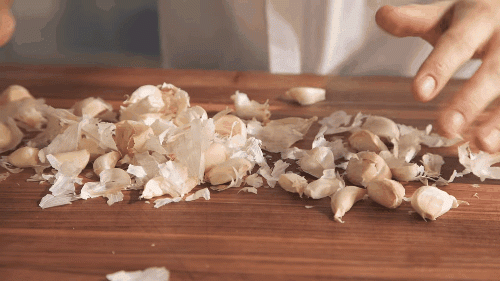
7. Brew a Mild Garlic Peel Tea for Cooking
Rather than drinking garlic peel tea for medicinal purposes—which lacks strong scientific evidence—you can use it as a cooking liquid.
Simmer clean garlic peels in water for several minutes, strain the liquid, and use it to prepare:
-
Soups
-
Sauces
-
Steamed vegetables
This adds a delicate garlic note while reducing food waste.
8. Freeze Garlic Peels Until You Need Them
Instead of throwing peels away immediately, keep a freezer-safe container for vegetable scraps.
Add:
-
Garlic peels
-
Onion skins
-
Celery ends
-
Herb stems
-
Carrot peels
When the container is full, use everything together to make homemade stock.
This is an excellent zero-waste cooking habit.
9. Mix Into Homemade Vegetable Stock Cubes
Many people prepare concentrated homemade stock and freeze it in ice cube trays.
Garlic peels can be simmered with other vegetable scraps before straining the liquid.
The finished broth can then be frozen for later use in:
-
Soups
-
Sauces
-
Rice
-
Pasta dishes
10. Reduce Kitchen Waste
Perhaps the greatest benefit of saving garlic peels is environmental.
Every year, millions of tons of food are wasted worldwide.
Although garlic peels are small, finding useful ways to repurpose them contributes to more sustainable cooking habits.
Small changes made consistently can reduce unnecessary waste.
Do Garlic Peels Contain Nutrients?
Research has shown that garlic peels contain small amounts of:
-
Fiber
-
Phenolic compounds
-
Antioxidants
However, they are not a major dietary source of nutrients, especially since they are usually removed before eating.
Their value lies more in culinary and household uses than in nutrition alone.
Can Garlic Peels Be Eaten?
Technically, yes—but with caution.
Garlic peels are:
-
Tough
-
Dry
-
Difficult to chew
Most people prefer to use them for flavoring broths or grind them into powder rather than eating them whole.
Always wash garlic thoroughly before using the peels in cooking.
Discard peels from garlic that is moldy, damaged, or spoiled.
Choosing Good Garlic
Fresh garlic should have:
-
Firm bulbs
-
Dry outer skin
-
No mold
-
No soft spots
-
No unpleasant odor
Avoid garlic showing signs of decay.
Healthy peels begin with healthy garlic.
Should You Wash Garlic Before Peeling?
Yes.
Even though the outer peel is often discarded, rinsing the bulb under running water can help remove surface dirt before handling it.
Dry the garlic before storing or using it.
Storage Tips
Store whole garlic in:
-
A cool place
-
Dry conditions
-
Good airflow
Avoid storing whole garlic in sealed plastic bags for long periods, as trapped moisture can encourage spoilage.
Can Garlic Peels Replace Fresh Garlic?
No.
Fresh garlic cloves contain much higher concentrations of flavor compounds, including allicin, which forms when garlic is chopped or crushed.
Garlic peels provide only a mild flavor and should be viewed as a supplement to, not a replacement for, fresh garlic.
Common Myths About Garlic Peels
Myth 1: Garlic Peels Cure Diseases
There is no reliable scientific evidence that garlic peels cure infections, cancer, diabetes, or other diseases.
They may contain beneficial plant compounds, but they are not a medical treatment.
Myth 2: Garlic Peels Are Useless
While they are not edible in the same way as garlic cloves, garlic peels can be useful in cooking, composting, and reducing kitchen waste.
Myth 3: More Garlic Peel Means Better Health
Garlic peels should not be viewed as a superfood.
A balanced diet rich in fruits, vegetables, whole grains, legumes, nuts, and seeds remains the best approach to nutrition.
Myth 4: Garlic Peels Can Replace Proper Garden Care
Although some gardeners experiment with garlic peels as mulch, they should not replace established gardening practices such as proper watering, fertilization, and integrated pest management.
Simple Ways to Create a More Sustainable Kitchen
Garlic peels are just one example of food scraps that can often be reused.
Other useful kitchen scraps include:
-
Onion skins for broth
-
Carrot tops for stock
-
Celery leaves for seasoning
-
Herb stems for soups
-
Citrus peels for zest or natural cleaning solutions
-
Vegetable trimmings for compost
Using more of each ingredient helps reduce waste while stretching your grocery budget.
When Should Garlic Peels Be Thrown Away?
Do not reuse garlic peels if they come from bulbs that are:
-
Moldy
-
Rotting
-
Soft
-
Wet
-
Infested with insects
Spoiled garlic should be discarded entirely.
Food safety should always come first.
The Bottom Line
Garlic peels may seem like kitchen waste, but they can serve several practical purposes. From adding subtle flavor to homemade broths and rice to enriching compost and reducing food waste, these often-overlooked scraps can become a useful part of a more sustainable kitchen.
While garlic peels do contain small amounts of antioxidants and other plant compounds, their primary value lies in culinary creativity and environmentally friendly reuse—not as a health supplement or medical remedy.
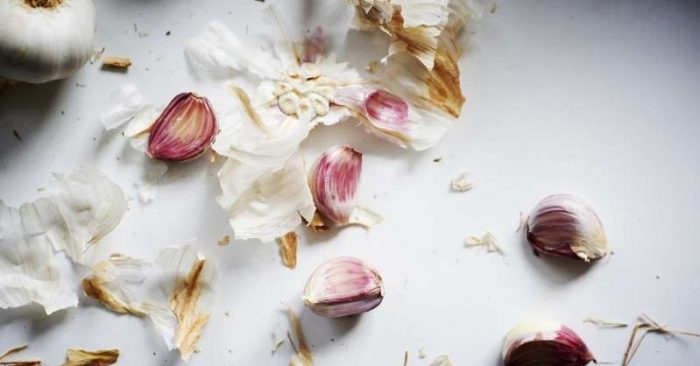
Final Thoughts
Learning to make better use of everyday kitchen scraps is a simple way to cook more sustainably and appreciate the full value of the foods we buy. Garlic peels may not be as famous as the cloves themselves, but they remind us that even the parts we usually throw away can have a purpose.
The next time you peel a garlic bulb, consider saving those papery skins instead of tossing them in the trash. Whether they end up flavoring your next pot of homemade soup, enriching your compost pile, or becoming part of a flavorful stock, they can help reduce waste and make your kitchen a little more resourceful—one peel at a time.