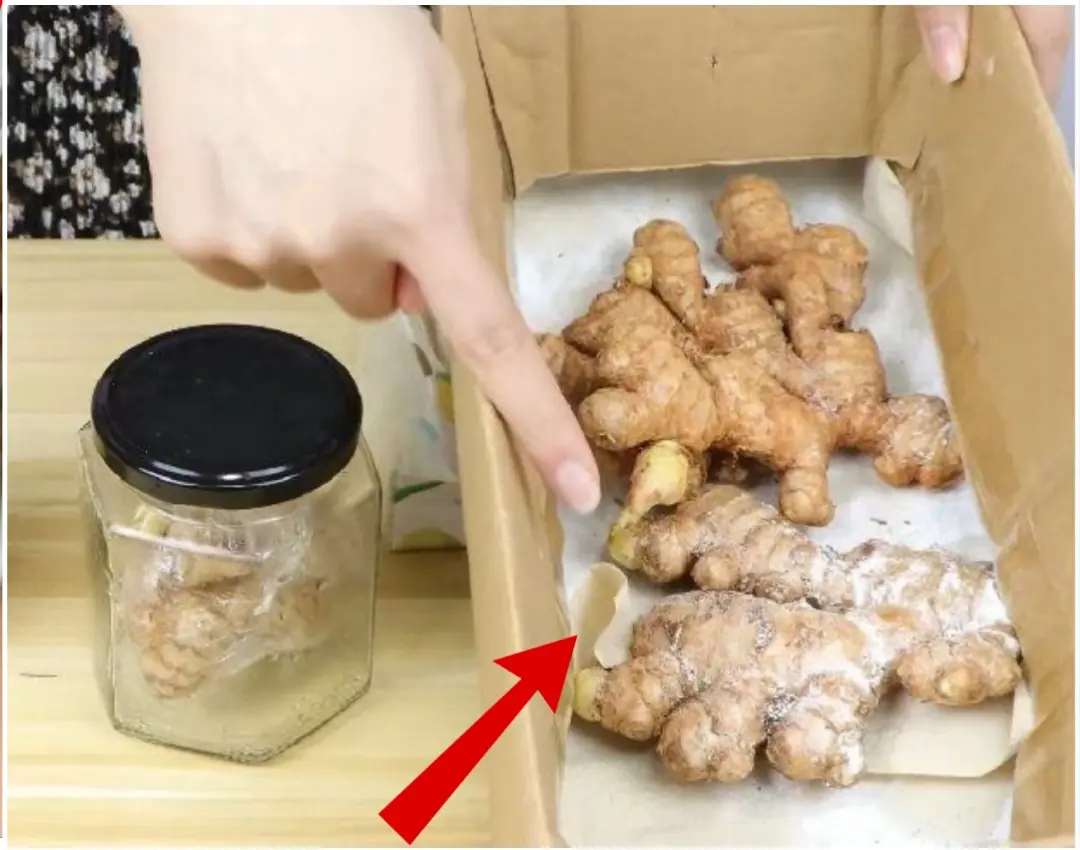
How to Preserve Ginger for Half a Year: Keep It Fresh and Avoid Shrinkage, Rot, and Sprouting
Ginger is a versatile and widely used ingredient in cooking, known for its unique flavor and health benefits. However, like many fresh produce items, ginger can spoil quickly if not stored properly. When ginger is left for too long without the right preservation methods, it can shrink, rot, or even sprout, making it unusable.
But fear not—there is a simple method that can preserve ginger for up to six months, keeping it fresh and usable without losing its quality. In this article, we will explore the best way to store ginger, how to prevent spoilage, and how to extend its shelf life.
Why Does Ginger Spoil?
Ginger is a rhizome, which means it grows underground, and is naturally full of moisture. When fresh ginger is left exposed to air or stored improperly, it can experience the following issues:
-
Shrinkage: As ginger loses moisture over time, it shrinks and becomes dry.
-
Rotting: If exposed to moisture for too long, ginger can develop mold or rot, especially in humid environments.
-
Sprouting: Like other rhizomes, ginger can begin to sprout small shoots if kept for too long without proper storage.
All of these issues can make ginger unusable, leading to waste. Luckily, there are some tried-and-true methods to prevent these problems and keep your ginger fresh for months.
The Best Way to Preserve Ginger
One of the most effective methods to keep ginger fresh for half a year is to freeze it. Freezing ginger is a simple yet powerful solution to preserve its freshness, flavor, and nutrients for an extended period.
Steps to Preserve Ginger by Freezing:
-
Prepare the Ginger
-
Peel the ginger: Start by peeling the ginger root if it's not already peeled. You can use a spoon to gently scrape off the skin, as this method helps preserve the ginger's freshness.
-
Cut the ginger: Depending on your usage, cut the ginger into smaller pieces, such as slices or chunks. You can also leave it whole if you prefer to cut it fresh later. If you plan to use ginger for smoothies, soups, or stews, slicing or grating it before freezing will save you time when you’re ready to cook.
-
-
Wrap the Ginger
-
After preparing the ginger, wrap it tightly in plastic wrap or parchment paper. This wrapping will help prevent freezer burn and protect the ginger from absorbing other odors in the freezer.
-
Optionally, you can place the wrapped ginger pieces into a resealable freezer bag for added protection. Be sure to remove as much air as possible from the bag to prevent freezer burn.
-
-
Store the Ginger in the Freezer
-
Once the ginger is wrapped securely, place it in the freezer. Ginger can be stored in the freezer for up to six months, and it will retain its flavor and quality for that entire time.
-
Label the bag or container with the date you froze the ginger to keep track of its freshness.
-
-
Grate or Slice When Needed
-
When you’re ready to use the ginger, you can simply remove a piece from the freezer and grate or slice it while it’s still frozen. Freezing ginger in smaller pieces makes it easy to remove just the amount you need without thawing the entire batch.
-
Why Freezing Ginger Works
Freezing ginger works by slowing down the degradation process that naturally occurs with fresh produce. By freezing the ginger, you prevent it from shrinking, rotting, or sprouting, as freezing preserves its moisture and nutrients. Ginger that’s been frozen can be used in cooking, baking, or even in teas, and it won’t lose much of its flavor or texture.
Additionally, the method of wrapping the ginger tightly and storing it in an airtight container ensures that the freezer’s cold air doesn’t damage the ginger’s quality over time.
Alternative Method: Storing Ginger in the Refrigerator
If freezing isn’t your preferred option or if you plan to use the ginger within a few weeks, you can also store fresh ginger in the refrigerator.
-
Wrap the Ginger in Paper Towel: Wrap the unpeeled ginger in a damp paper towel and place it in a resealable plastic bag or an airtight container. The moisture in the paper towel helps keep the ginger from drying out.
-
Store in the Vegetable Drawer: Place the wrapped ginger in the vegetable drawer of your refrigerator, which provides a cool, dry environment. This method will extend the shelf life of fresh ginger for about 3 to 4 weeks.
-
Check for Sprouts or Rot: Make sure to check the ginger regularly for signs of sprouting or rotting. If you notice any issues, discard the affected pieces to prevent them from spoiling the rest of the ginger.
Why Refrigeration Is a Short-Term Solution
While refrigeration can extend the freshness of ginger for a few weeks, it is not a long-term solution like freezing. The ginger will still lose its moisture over time and may begin to sprout or rot, especially if it is stored for too long. Refrigeration is best for short-term storage, such as when you plan to use the ginger within a few weeks.
Additional Tips for Storing Ginger
-
Store Ginger in the Right Place: Ginger should be stored in a cool, dry place if you’re not refrigerating or freezing it. A pantry or kitchen cupboard away from direct sunlight is ideal.
-
Use Fresh Ginger Quickly: Ginger that has just been purchased should be used as quickly as possible, as it will lose its flavor and freshness over time. Try to use fresh ginger within 7-10 days for the best taste and texture.
-
Avoid Storing Ginger in Water: While some people suggest storing ginger in water to keep it fresh, this can lead to mold growth and rotting. It’s best to avoid this method.
Conclusion: Keep Your Ginger Fresh for Months
By following these simple methods, you can keep your ginger fresh for up to half a year without worrying about shrinkage, rot, or sprouting. Freezing ginger is the most effective way to preserve its flavor, texture, and nutrients, allowing you to enjoy fresh ginger whenever you need it, even months after buying it.
So next time you buy a large batch of ginger, don’t let it go to waste. Use the freezing method or store it properly in the fridge to keep it fresh and ready for all your cooking and health needs. Whether you’re using it in smoothies, teas, or your favorite recipes, you’ll always have fresh ginger on hand!