Mint is a member of the Lamiaceae family, the same botanical family that includes basil, rosemary, oregano, thyme, and sage.
Different types of mint have slightly different aromas and flavors. Common varieties include:
- Peppermint
- Spearmint
- Apple mint
- Chocolate mint
- Pineapple mint
- Other culinary mint cultivars
The leaves contain aromatic compounds that give mint its distinctive cool, refreshing smell.
One of the best-known compounds in peppermint is menthol, which creates the characteristic cooling sensation associated with peppermint.
Mint has been used for centuries in culinary traditions and traditional herbal preparations.
1. Mint Can Be Used in Everyday Drinks
One of the easiest ways to use fresh mint is in beverages.
You can add a few washed leaves to:
- Cold water
- Sparkling water
- Unsweetened iced tea
- Herbal tea
- Lemon water
- Fruit-infused water
Fresh mint can make a simple drink more aromatic without requiring added sugar.
For example, combining mint with cucumber and lemon can create a refreshing infused water for people who find plain water boring.
However, mint-infused water should not be described as a "detox" drink that removes toxins from the body. Your liver and kidneys already perform the body's major detoxification and waste-removal functions.
2. Mint Can Add Flavor Without Many Calories
Fresh mint contains relatively few calories when used in the small amounts typically added to food.
Its strong aroma means that you do not need a large quantity to change the flavor of a dish.
Try adding fresh mint to:
- Salads
- Vegetable dishes
- Soups
- Yogurt sauces
- Grain bowls
- Fruit salads
- Homemade dressings
This can be especially useful when you're trying to make simple meals more flavorful without relying heavily on sugar or excessive salt.
3. Mint and Digestion: What Do We Know?
Mint has a long history of traditional use for digestive discomfort.
Peppermint, in particular, has received scientific attention because peppermint oil contains compounds that can affect the muscles of the gastrointestinal tract.
Some clinical research suggests that peppermint oil preparations may help relieve certain symptoms associated with irritable bowel syndrome (IBS) in some people.
However, this evidence primarily concerns standardized peppermint oil products rather than simply eating a few fresh mint leaves.
That distinction matters.
A cup of mint tea may be pleasant and soothing, but it should not be considered a proven treatment for a digestive disorder.
4. Mint May Make Herbal Tea More Enjoyable
Fresh mint can be used to make a simple herbal infusion.
Simple Mint Tea
You can try:
- A handful of fresh mint leaves
- Hot water
- Optional lemon slices
Wash the leaves thoroughly, place them in a cup, add hot water, and allow them to steep for several minutes.
You can drink it warm or allow it to cool and serve it over ice.
Avoid adding large amounts of sugar if your goal is to keep the drink lighter.
5. The Aroma of Mint Can Be Refreshing
One of the most recognizable characteristics of mint is its strong aroma.
Menthol and other volatile compounds contribute to the cooling, refreshing sensation associated with peppermint.
This is why mint is commonly used in:
- Toothpaste
- Mouthwash
- Chewing gum
- Candies
- Skin-care products
- Aromatic products
It's worth noting that the cooling sensation produced by menthol does not necessarily mean that your body temperature is actually decreasing. Menthol activates cold-sensitive receptors, creating a perception of coolness.
6. Mint Contains Plant Compounds
Like many herbs, mint contains naturally occurring plant compounds called phytochemicals.
Depending on the variety, these may include:
- Menthol
- Rosmarinic acid
- Flavonoids
- Phenolic compounds
- Other volatile oils
These compounds have been studied for antioxidant and other biological activities.
However, laboratory findings should not automatically be interpreted as proof that eating mint prevents or treats a particular disease.
A herb can be nutritious and useful without being a miracle cure.

7. Growing Mint Can Be Surprisingly Easy
One reason mint is so popular with home gardeners is that it can grow vigorously under suitable conditions.
It can be grown in:
- Small pots
- Balcony containers
- Window boxes
- Kitchen gardens
- Outdoor garden beds
It generally prefers adequate light, regular moisture, and reasonably fertile soil.
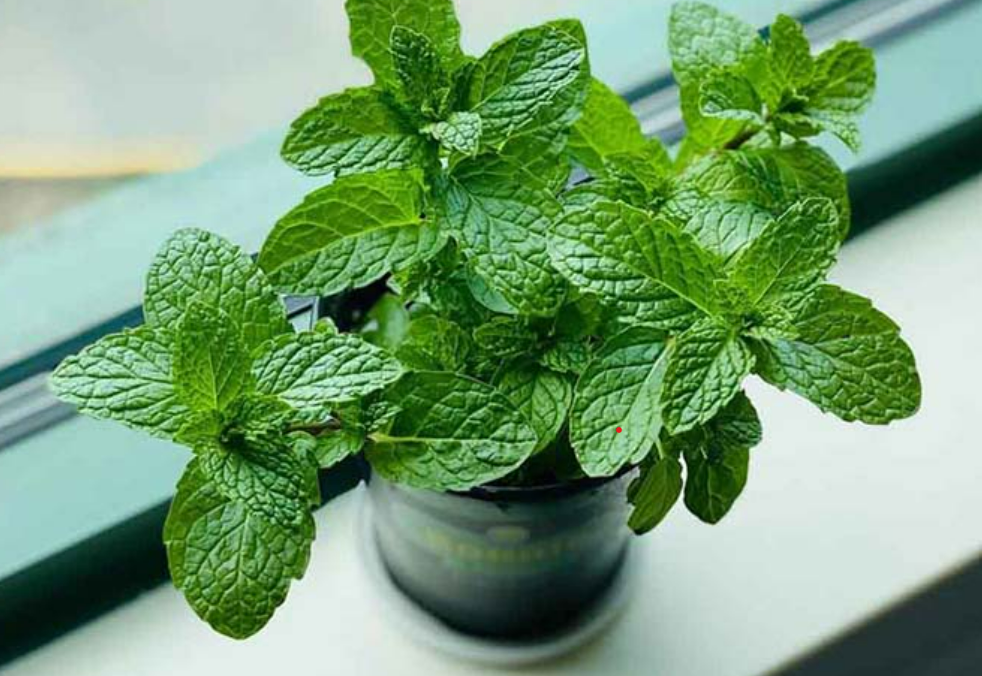
The plant in the photograph appears to be growing in a relatively compact container, demonstrating that you do not need a large garden to grow fresh herbs.
How to Grow Mint in a Small Home
You don't need a backyard.
A simple pot can work well.
Step 1: Choose a Container
Select a pot with drainage holes.
Mint spreads readily, so a container can actually be preferable to planting it directly in the ground.
Step 2: Use Well-Draining Soil
Mint likes consistently moist soil but does not do well when its roots remain waterlogged.
A quality potting mix can provide a suitable growing environment.
Step 3: Provide Light
Mint generally grows well with bright light.
Depending on the variety and climate, it can tolerate some partial shade.
If growing indoors, place the pot near a bright window where it receives adequate light.
Step 4: Water Regularly
Keep the soil reasonably moist.
Avoid allowing the plant to sit in standing water.
At the same time, don't allow the soil to become extremely dry for long periods.
Why Growing Mint in a Pot Can Be Better
Mint is known for spreading through underground stems called rhizomes.
If planted directly in a garden bed, it can become surprisingly vigorous and spread beyond the area where you originally planted it.
A container helps keep the roots contained.
This makes mint particularly suitable for:
- Apartments
- Small homes
- Balconies
- Small patios
- Kitchen windows
Just remember that even container-grown mint can become crowded and may eventually need pruning or repotting.
How to Harvest Fresh Mint
You don't need to remove the entire plant.
Instead, use clean scissors to cut individual stems or the upper portions of the plant.
Regular harvesting can encourage the plant to produce additional growth.
For the best flavor, many people prefer using young, fresh leaves.
Avoid harvesting more than the plant can reasonably support, especially if it is young or recently transplanted.
How to Keep Fresh Mint Fresh
If you've harvested more mint than you can immediately use, there are several ways to store it.
One simple method is to treat it somewhat like fresh flowers:
- Trim the stems.
- Place them in a small container with a little water.
- Loosely cover the leaves.
- Store appropriately in the refrigerator.
You can also dry mint for later use.
Dried mint is particularly convenient for:
- Herbal tea
- Seasoning
- Sauces
- Soups
- Homemade spice blends
Mint Can Be More Than Just a Garnish
Many people think of mint as something placed on top of a dessert or drink.
But it can play a much larger role in cooking.
Add It to Salads
Fresh mint pairs particularly well with:
- Cucumber
- Tomato
- Watermelon
- Citrus
- Feta
- Beans
Add It to Yogurt
Chopped mint mixed with plain yogurt, cucumber, lemon, and a small amount of seasoning can make a refreshing sauce.
Add It to Fruit
Mint works particularly well with:
- Strawberries
- Melons
- Pineapple
- Peaches
- Citrus fruits
Add It to Savory Foods
Mint can also complement:
- Lamb
- Chicken
- Grilled vegetables
- Rice
- Legumes
What About Mint and Weight Loss?
Mint is sometimes promoted online as a "fat-burning" herb.
That claim should be treated cautiously.
Mint itself does not magically burn body fat.
However, using fresh herbs can help make healthy foods more enjoyable without adding many calories.
For example, replacing a sugary drink with unsweetened mint-infused water can reduce overall calorie intake.
That is a much more realistic way mint could indirectly fit into a weight-management strategy.
Can Mint "Cleanse" the Body?
You'll often see claims that mint tea:
- Flushes toxins
- Cleanses the liver
- Cleans the kidneys
- Removes harmful substances
These claims are generally overstated.
Your body already has sophisticated systems for processing and eliminating waste, primarily involving the liver, kidneys, lungs, digestive system, and skin.
Mint can be part of a healthy diet, but there is no need to think of it as a special cleansing treatment.
Is Mint Safe for Everyone?
For most people, culinary amounts of fresh mint are generally well tolerated.
However, concentrated peppermint products and peppermint oil are different from ordinary culinary use.
Peppermint products may cause problems for some people, particularly those prone to acid reflux or heartburn, because peppermint can relax the lower esophageal sphincter in some individuals and potentially worsen reflux symptoms.
People with specific medical conditions or those taking medications should speak with a healthcare professional before regularly using concentrated herbal products.
Be Careful With Essential Oils
This is especially important.
Peppermint essential oil is highly concentrated and should not be treated like fresh mint leaves.
Essential oils can cause irritation or toxicity if used incorrectly.
Do not assume that because a plant is safe to eat, its concentrated essential oil is automatically safe to swallow.
Follow appropriate product instructions and seek professional advice when necessary.
Mint Isn't a Replacement for Medical Treatment
Social media posts sometimes make herbs sound like cures for serious diseases.
Mint should not be used as a replacement for appropriate medical treatment for:
- Kidney disease
- Liver disease
- Diabetes
- Cancer
- Heart disease
- Severe digestive disorders
- Respiratory disease
If you have persistent symptoms, getting an appropriate diagnosis is much more important than relying on an herbal remedy.
A Simple Daily Way to Use Fresh Mint
If you grow mint at home, you can easily incorporate it into your routine.
Morning
Add a few fresh leaves to water or unsweetened tea.
Lunch
Chop mint into a salad or yogurt-based dressing.
Afternoon
Make iced mint tea with lemon.
Dinner
Use mint as a seasoning for vegetables, grains, beans, or grilled foods.
The goal isn't to consume huge quantities.
A small amount can provide plenty of flavor.
Why Mint Is a Great Plant for Small Homes
The biggest advantage of the plant shown in the image may actually be its practicality.
You don't need:
- A large garden
- Expensive equipment
- A complicated irrigation system
- A greenhouse
A reasonably sized container, suitable soil, light, and regular care may be enough to grow fresh mint.
For people living in apartments or homes with limited outdoor space, herbs like mint can be an accessible way to grow some of their own fresh ingredients.
The Bottom Line
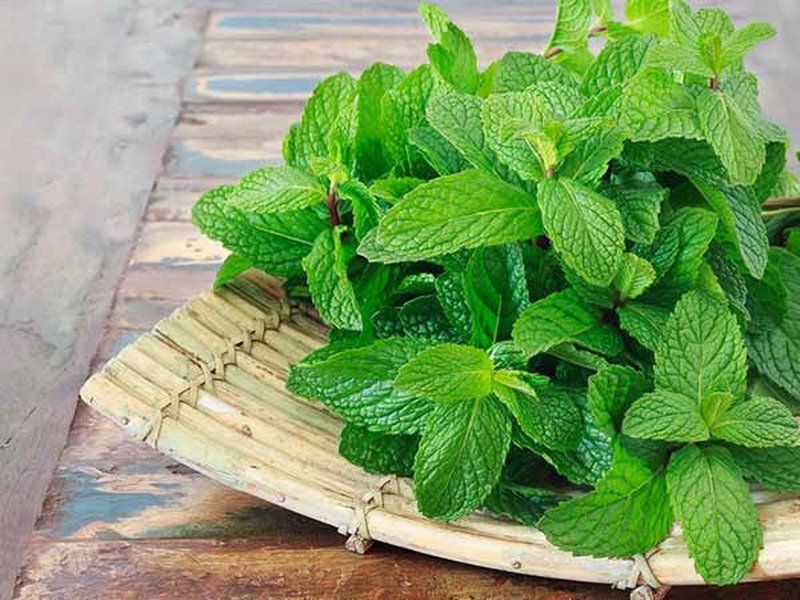
The plant in the image appears to be mint, although the exact variety cannot be confirmed from the photograph alone.
Mint is a versatile herb that can add flavor and aroma to drinks and foods while providing fiber and various plant compounds in the small amounts typically consumed. Some forms of peppermint, particularly standardized peppermint oil, have also been studied for certain digestive symptoms.
But it's important to keep expectations realistic. Mint is not a miracle cure, detox treatment, or substitute for medical care.
Its biggest everyday advantages are much simpler: it is flavorful, versatile, relatively easy to grow, and well suited to small containers.
If you have limited space at home, growing mint in a pot can be a practical way to keep a fresh culinary herb within easy reach. Just remember to keep it appropriately watered, provide adequate light, harvest regularly, and contain its spreading roots.
Sometimes, the most useful plants in a home garden aren't the ones promising miraculous health benefits—they're simply the ones you can grow easily, use regularly, and enjoy as part of a balanced lifestyle.