The Vegetable Most Likely to Carry Parasites Is Also One Many People Love Eating Raw
Fresh vegetables are often considered one of the healthiest foods you can eat. Packed with vitamins, minerals, fiber, and antioxidants, they play an important role in a balanced diet.
However, health experts point out that certain vegetables may be more susceptible to contamination by parasites, bacteria, and other microorganisms—especially when consumed raw.
One vegetable that frequently appears on food safety watch lists is lettuce.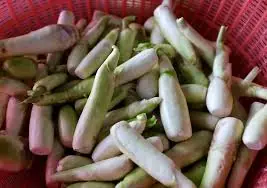
Why Lettuce Raises Concerns
Lettuce is one of the most commonly consumed vegetables worldwide, particularly in salads, sandwiches, and wraps.
Unlike vegetables that are typically cooked before eating, lettuce is often consumed raw. This means that any contaminants present on the leaves may survive unless the vegetable is thoroughly washed.
The structure of lettuce can also make cleaning more difficult. Its layered leaves create numerous folds and crevices where dirt, microorganisms, and parasite eggs may hide.
How Parasites Can Reach Vegetables
Contamination can occur at multiple points during production and distribution.
Possible sources include:
- Contaminated irrigation water
- Soil exposed to animal waste
- Improper handling during harvesting
- Transportation and storage conditions
- Food preparation practices
Even vegetables grown under carefully controlled conditions can become contaminated if proper hygiene measures are not followed.
Common Parasites Found on Produce
Several parasites have been associated with fresh produce contamination, including:
Giardia
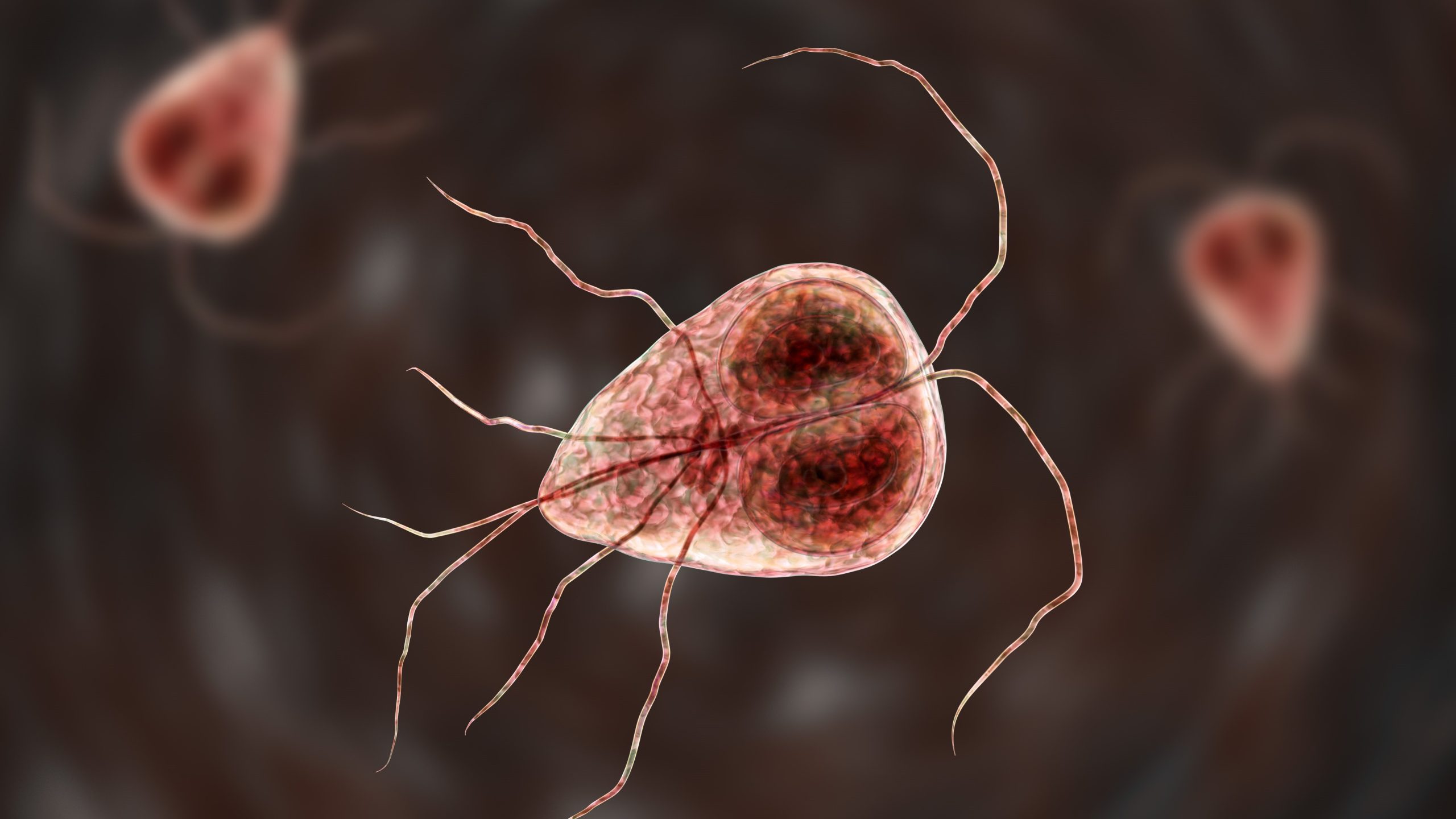
Giardia is a microscopic parasite that can cause digestive symptoms such as:
- Diarrhea
- Abdominal cramps
- Nausea
- Bloating
Cryptosporidium

This parasite can spread through contaminated water and may cause gastrointestinal illness.
Toxoplasma gondii
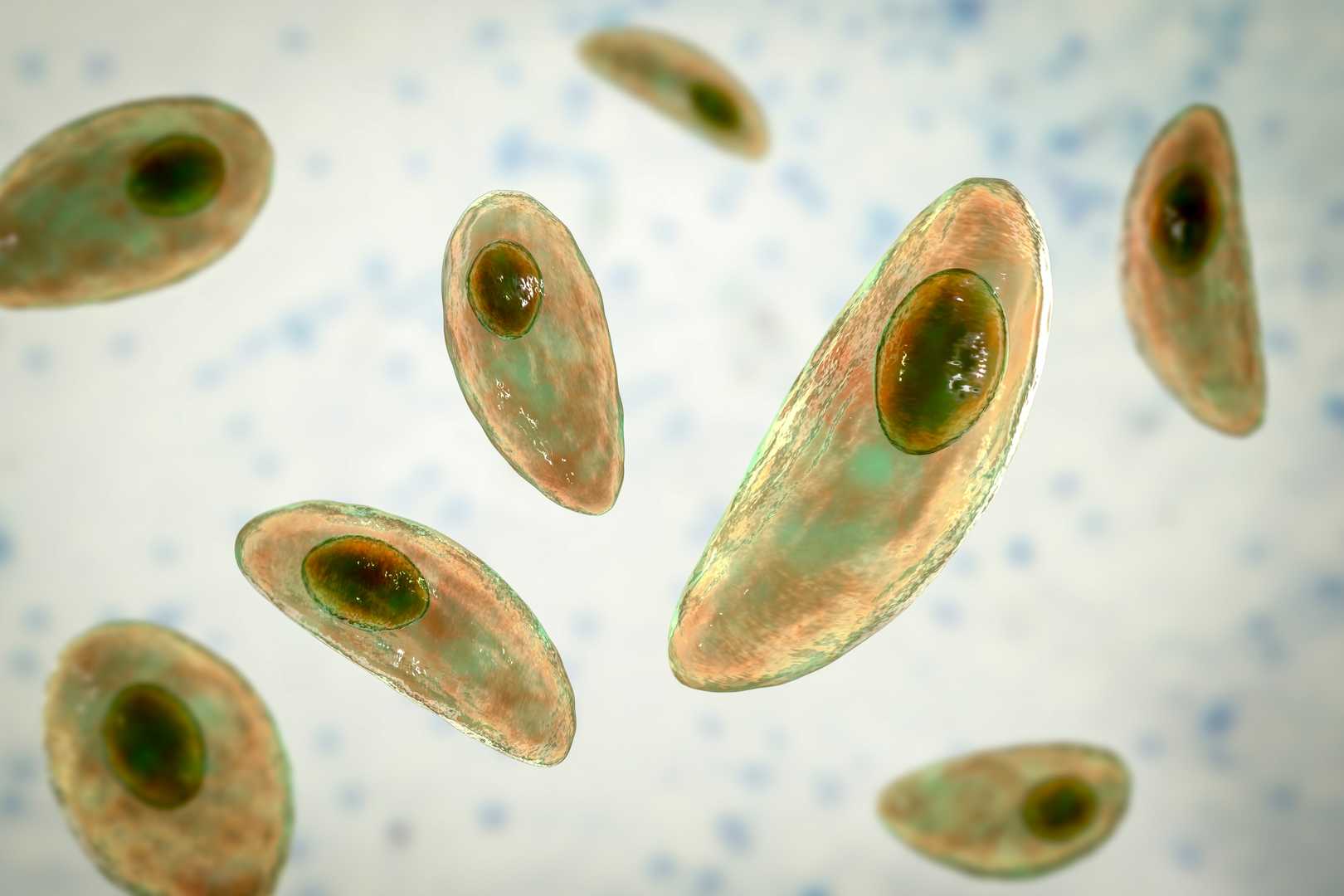
Although more commonly associated with undercooked meat and cat feces, Toxoplasma can occasionally contaminate fresh produce.
Cyclospora
Cyclospora outbreaks have been linked to fresh fruits and vegetables in several countries.
Symptoms may include:
- Watery diarrhea
- Fatigue
- Loss of appetite
- Stomach discomfort
Does This Mean You Should Stop Eating Lettuce?
Absolutely not.
Lettuce remains a nutritious food that provides important nutrients while being low in calories.
The goal is not to avoid vegetables but to handle them safely.
The health benefits of consuming vegetables far outweigh the risks when proper food safety practices are followed.
How to Reduce Your Risk
Wash Thoroughly
Rinse lettuce leaves individually under running water.
Pay special attention to folds and creases where contaminants may hide.
Remove Outer Leaves
The outer layers are more likely to be exposed to dirt and contaminants.
Discarding them may help reduce risk.
Dry Properly
Using a salad spinner or clean paper towels can help remove excess moisture and additional debris.
Store Correctly
Keep lettuce refrigerated and separate from raw meat, poultry, and seafood.
Wash Hands Before Preparation
Proper hand hygiene is one of the simplest and most effective ways to prevent contamination.
Other Vegetables That May Require Extra Care
In addition to lettuce, food safety experts often recommend carefully washing:
- Spinach
- Kale
- Arugula
- Cabbage
- Cilantro
- Parsley
- Green onions
Leafy greens generally have more surface area and crevices where contaminants can collect.
Symptoms That May Suggest a Foodborne Parasitic Infection
Although many people never experience problems, symptoms can include:
- Persistent diarrhea
- Abdominal pain
- Nausea
- Vomiting
- Fatigue
- Unexplained weight loss
Anyone experiencing severe or prolonged symptoms should seek medical evaluation.
The Bottom Line
Lettuce is often cited as one of the vegetables most vulnerable to contamination because it is commonly eaten raw and has a structure that can trap microorganisms.
However, this does not mean it is unsafe or should be avoided.
By washing produce carefully, practicing good kitchen hygiene, and storing food properly, you can continue enjoying fresh vegetables while significantly reducing potential risks.
Fresh produce remains one of the cornerstones of a healthy diet—and with proper preparation, it can be enjoyed safely.
Sources:
- Centers for Disease Control and Prevention (CDC)
- U.S. Food and Drug Administration (FDA)
- World Health Organization (WHO)
- Mayo Clinic
- Cleveland Clinic
- FoodSafety.gov