Fish is widely recognized as one of the healthiest foods and is often recommended as part of a balanced diet. However, not every type of fish is equally safe. Some commonly consumed fish products may pose health risks when eaten frequently or in large quantities.
Fish is considered a nutritional powerhouse because it provides high-quality protein that is easy to digest and low in saturated fat. Its greatest benefit comes from its rich content of Omega-3 fatty acids, particularly DHA and EPA, which help lower blood fat levels, regulate blood pressure, and reduce the risk of blood clots. Regular fish consumption has been associated with a lower risk of stroke and improved cardiovascular health.
Omega-3 fatty acids are also essential for brain function, helping support memory and potentially reducing the risk of cognitive decline. In addition, their anti-inflammatory properties may help protect the skin and slow the aging process.
However, experts warn that certain types of fish and fish products deserve special attention.
1. Traditionally Salted Fish and Heavily Salted Dried Fish

Salted fish is popular in many households because of its distinctive flavor and long shelf life. This category includes both fermented salted fish and salted fish that has been dried.
The concern is that prolonged salting and fermentation can lead to the formation of high levels of nitrites. Once consumed, these compounds can react with proteins in the stomach to form nitrosamines.
Nitrosamines have been classified by international health authorities as potent carcinogens. Regular consumption of heavily salted fish products may increase the risk of cancers affecting the esophagus, liver, and stomach. In addition, these foods are often extremely high in sodium, which can negatively affect cardiovascular health.
2. Frozen Fish Treated with Formaldehyde
To extend shelf life and maintain an artificially fresh appearance, some dishonest suppliers may treat fish with formaldehyde, a toxic chemical that is prohibited for use in food.
Consumption of fish contaminated with formaldehyde can irritate the digestive tract and may cause serious health problems. Long-term exposure to formaldehyde has been linked to an increased risk of certain cancers and other health complications.
Warning signs may include fish that looks unusually perfect, has an unusual odor, or has flesh that feels excessively hard or unnaturally firm.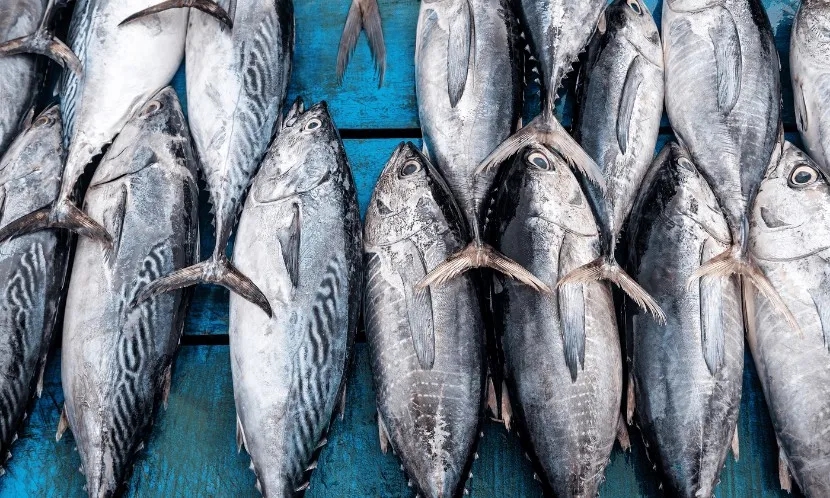
3. Fish with High Mercury Levels
Many people believe that larger fish are more nutritious, but large predatory fish often contain significantly higher levels of mercury.
Examples include:
- Bigeye tuna
- Swordfish
- Shark
- Marlin
Because these species sit at the top of the marine food chain, they accumulate mercury and other pollutants over time.
According to guidance from the U.S. Food and Drug Administration (FDA), frequent consumption of high-mercury fish may increase exposure to this toxic metal. Mercury can damage the nervous system and is especially concerning for pregnant women, developing fetuses, and young children. Excessive exposure may affect memory, vision, coordination, and neurological development.
4. Raw Fish, Especially Freshwater Fish
The popularity of raw fish dishes has grown worldwide, but eating raw fish carries certain health risks.
Freshwater fish are particularly concerning because they can harbor parasites, including liver flukes and other organisms capable of infecting humans.
When raw or undercooked fish is consumed, these parasites may enter the body and settle in the liver or bile ducts, potentially causing chronic inflammation and other serious health problems.
While raw seafood of any kind carries some risk, freshwater fish generally presents a higher risk of parasitic infection than properly sourced and handled marine fish intended for raw consumption.
How to Eat Fish Safely and Healthily
Fish remains an excellent source of protein and heart-healthy fats when chosen and prepared properly.
Choose Smaller Fish with Shorter Lifespans
Fish such as:
- Sardines
- Herring
- Mackerel
- Scad
are typically rich in Omega-3 fatty acids while containing lower levels of accumulated mercury and other contaminants than larger predatory fish.
Buy Fresh Fish
Look for fish with:
- Clear, bright eyes
- Firm, elastic flesh
- Fresh red gills
- A clean, natural smell
Avoid fish with strong odors or unusual chemical smells.
Don't Replace All Meat with Fish
Fish is nutritious, but red meats such as lean beef and pork provide important nutrients, including iron, that fish alone may not supply in sufficient amounts.
A balanced diet should include a variety of protein sources rather than relying exclusively on one type.
Favor Gentle Cooking Methods
Steaming, boiling, and making soup are generally healthier preparation methods than deep-frying or cooking at very high temperatures.
Steaming is especially beneficial because it preserves nutrients while minimizing the need for added fats.
Eat Fish in Moderation
Most dietary guidelines recommend that healthy adults eat fish at least twice per week. A weekly intake of approximately 300–500 grams (10–18 ounces) of fish can help provide beneficial nutrients while maintaining a balanced diet.
The key message: Fish can be one of the healthiest foods you eat—but choosing the right species, buying from reliable sources, and preparing it safely are essential for maximizing its benefits and minimizing potential risks.