Most people spend about one-third of their lives sleeping, yet few give much thought to the position they sleep in each night. While a comfortable sleeping position may seem harmless, health experts say that certain sleep postures can place unnecessary strain on the body and contribute to a variety of hidden health issues over time.
Sleep is essential for physical recovery, brain function, immune health, and emotional well-being. However, even if you're getting enough hours of sleep, your sleeping position may influence how rested and healthy you feel when you wake up.
Among the various sleeping positions, experts often point to stomach sleeping as one of the least favorable for long-term health. While it may feel comfortable for some individuals, regularly sleeping on your stomach can affect the spine, neck, breathing, and overall sleep quality.
Let's explore why health professionals are concerned about this common sleeping position and what you can do to improve your sleep posture.
Why Sleeping Position Matters
During sleep, your muscles relax and your body undergoes important restorative processes. Ideally, your sleeping position should support the natural alignment of your spine, neck, and joints.
Poor alignment during sleep can lead to:
-
Neck pain
-
Back pain
-
Headaches
-
Shoulder discomfort
-
Numbness and tingling
-
Poor sleep quality
-
Increased pressure on joints
Because sleep lasts several hours each night, even small amounts of strain can accumulate over months and years.
The Sleeping Position Experts Often Warn About: Stomach Sleeping
Stomach sleeping, also known as prone sleeping, occurs when a person lies face-down on the mattress.
Although some people find this position comfortable, experts frequently identify it as one of the most problematic sleeping postures.
1. Increased Neck Strain
When sleeping on your stomach, you must turn your head to one side in order to breathe.
Maintaining this twisted position for several hours can place significant stress on the neck muscles, joints, and cervical spine.
Over time, this may contribute to:
-
Neck stiffness
-
Muscle tension
-
Reduced mobility
-
Chronic neck pain
Many stomach sleepers wake up with soreness that gradually improves throughout the day.
2. Poor Spinal Alignment
The human spine has natural curves that help distribute body weight and absorb stress.
Stomach sleeping can flatten these natural curves, especially in the lower back.
As a result, the spine may remain in an unnatural position throughout the night, potentially contributing to:
-
Lower back pain
-
Muscle strain
-
Increased pressure on spinal structures
Experts generally recommend sleeping positions that better support spinal neutrality.
3. Increased Pressure on Joints
When sleeping face-down, much of the body's weight is concentrated on certain pressure points.
This may place additional stress on:
-
Shoulders
-
Hips
-
Knees
-
Neck
Individuals who already suffer from arthritis or joint pain may notice worsening symptoms after sleeping in this position.
4. Numbness and Tingling
Compression of nerves and blood vessels can occasionally occur when sleeping in awkward positions.
Some stomach sleepers report waking up with:
-
Tingling hands
-
Arm numbness
-
Shoulder discomfort
-
Temporary weakness
These symptoms are often related to prolonged pressure on nerves during sleep.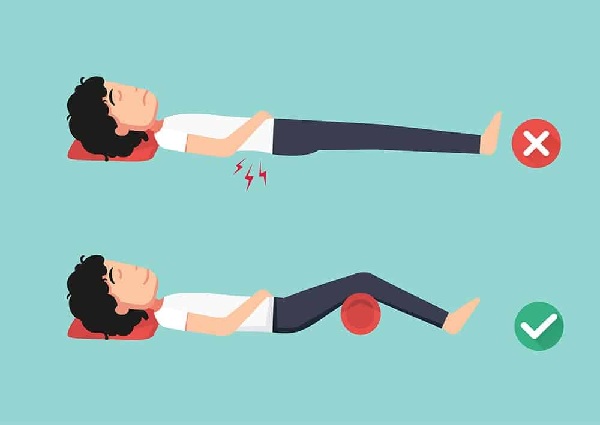
5. Facial Pressure and Skin Concerns
Although often overlooked, sleeping face-down may place repeated pressure on facial skin.
Some dermatologists suggest that prolonged compression may contribute to:
-
Sleep lines
-
Facial puffiness
-
Increased skin irritation
While these effects vary from person to person, facial pressure remains another potential drawback of stomach sleeping.
Other Sleeping Positions and Their Effects
Not all sleeping positions carry the same risks.
Side Sleeping
Many sleep specialists consider side sleeping one of the healthiest positions for most adults.
Potential benefits include:
-
Better spinal alignment
-
Reduced snoring
-
Improved breathing
-
Less acid reflux
-
Enhanced circulation
Some studies suggest that sleeping on the left side may provide additional benefits for people with acid reflux.
However, side sleeping can sometimes contribute to shoulder discomfort if proper support is lacking.
Back Sleeping
Back sleeping allows the spine to remain relatively neutral when supported by an appropriate mattress and pillow.
Potential benefits include:
-
Even weight distribution
-
Reduced pressure points
-
Better spinal alignment
However, back sleeping may worsen:
-
Snoring
-
Sleep apnea symptoms
For individuals with sleep-disordered breathing, side sleeping is often preferred.
Signs Your Sleeping Position May Be Causing Problems
Your body may provide clues that your sleep posture needs adjustment.
Common warning signs include:
Morning Neck Pain
Waking up with a stiff or sore neck may indicate poor head and neck positioning.
Lower Back Pain
Persistent morning back pain may suggest inadequate spinal support.
Frequent Headaches
Tension in the neck and shoulders can sometimes contribute to headaches.
Tingling or Numb Limbs
Compression of nerves during sleep may cause temporary numbness.
Restless Sleep
Constant tossing and turning may indicate that your body is struggling to find a comfortable position.
Waking Up Tired
Poor sleep posture can interfere with sleep quality and recovery.
How to Improve Your Sleeping Position
If you're a dedicated stomach sleeper, changing habits overnight can be difficult. Fortunately, small adjustments may help.
Use a Thin Pillow
A thick pillow may increase neck strain.
Some experts recommend a thinner pillow—or no pillow under the head—to reduce cervical rotation.
Place a Pillow Under the Pelvis
Supporting the hips and pelvis may help reduce stress on the lower back.
Gradually Transition to Side Sleeping
Many people successfully change sleep positions over time by:
-
Using body pillows
-
Placing pillows behind the back
-
Creating barriers that discourage rolling onto the stomach
Invest in a Supportive Mattress
A mattress that properly supports spinal alignment can significantly improve sleep comfort and posture.
Sleep Position Is Only One Part of the Picture
While sleeping position matters, it is not the only factor influencing sleep quality.
Other important factors include:
-
Sleep duration
-
Mattress quality
-
Pillow support
-
Stress levels
-
Physical activity
-
Sleep environment
-
Medical conditions
Addressing these factors together often produces the best results.
When Should You Seek Medical Advice?
If you experience persistent:
-
Neck pain
-
Back pain
-
Frequent headaches
-
Numbness
-
Sleep disturbances
it may be helpful to discuss your symptoms with a healthcare professional.
Underlying conditions such as sleep apnea, spinal disorders, or nerve compression may require medical evaluation.
Final Thoughts
The way you sleep each night may have a greater impact on your health than you realize. While stomach sleeping isn't harmful for everyone, many health experts consider it one of the least favorable positions because it can place strain on the neck, spine, and joints.
Fortunately, small changes in sleep posture, pillow support, and mattress quality can often improve comfort and reduce the risk of long-term issues. By paying attention to how you sleep and how your body feels when you wake up, you can take an important step toward better rest and better overall health.
After all, healthy sleep isn't just about how long you sleep—it's also about how you sleep.