Magnesium is one of the most important minerals in the human body, yet it is often overlooked. It plays a role in more than 300 biochemical processes, helping regulate muscle function, nerve signaling, blood sugar levels, blood pressure, energy production, and bone health.
Despite its importance, magnesium deficiency is surprisingly common. Modern diets, chronic stress, certain medications, digestive disorders, and excessive alcohol consumption can all contribute to low magnesium levels. Because magnesium affects so many systems in the body, a deficiency can produce a wide range of symptoms that are often mistaken for other health conditions.
If your body is low in magnesium, it may be sending warning signs. Here are 32 symptoms that may be associated with magnesium deficiency.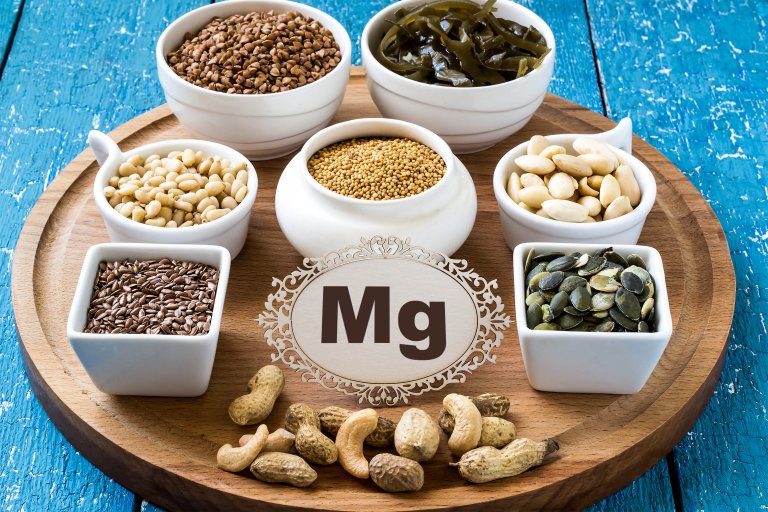
What Does Magnesium Do?
Before discussing the symptoms, it's important to understand why magnesium matters.
Magnesium helps:
-
Support muscle contractions and relaxation
-
Maintain a healthy heartbeat
-
Regulate blood pressure
-
Support nerve function
-
Strengthen bones
-
Produce energy
-
Control blood sugar levels
-
Promote restful sleep
-
Support mental well-being
When magnesium levels become too low, multiple body systems can be affected.
Nervous System Symptoms
1. Anxiety
Low magnesium may affect neurotransmitters involved in mood regulation, potentially increasing feelings of anxiety.
2. Irritability
Many people with magnesium deficiency report feeling unusually irritable or emotionally sensitive.
3. Difficulty Concentrating
Brain fog and reduced focus can occur when magnesium levels are insufficient.
4. Memory Problems
Some individuals notice mild forgetfulness or difficulty recalling information.
5. Increased Stress Sensitivity
Magnesium plays a role in regulating the body's stress response.
6. Panic-Like Feelings
In some cases, deficiency may contribute to symptoms resembling panic attacks.
7. Depression Symptoms
Research suggests a possible link between low magnesium levels and mood disorders.
8. Headaches
Frequent headaches may be associated with inadequate magnesium intake.
Sleep-Related Symptoms
9. Difficulty Falling Asleep
Magnesium helps regulate neurotransmitters that promote relaxation and sleep.
10. Frequent Nighttime Waking
Poor magnesium status may interfere with sleep quality.
11. Insomnia
Persistent sleep disturbances have been linked to low magnesium in some individuals.
12. Non-Restorative Sleep
You may wake up feeling tired despite spending enough time in bed.
Muscle and Nerve Symptoms
13. Muscle Cramps
One of the most recognized signs of magnesium deficiency.
14. Muscle Twitches
Small involuntary muscle movements may occur.
15. Eyelid Twitching
Persistent eyelid spasms are commonly associated with low magnesium.
16. Muscle Weakness
Muscles may fatigue more quickly than usual.
17. Tremors
Shaking or trembling can occur in more severe deficiencies.
18. Numbness
Low magnesium may affect nerve function.
19. Tingling Sensations
Pins-and-needles sensations may develop in the hands, feet, or face.
20. Restless Legs
Some people experience uncomfortable sensations that create an urge to move the legs.
Cardiovascular Symptoms
21. Heart Palpitations
An irregular or unusually strong heartbeat may occur.
22. Elevated Blood Pressure
Magnesium contributes to healthy blood vessel function.
23. Irregular Heart Rhythm
Severe magnesium deficiency can affect cardiac electrical activity.
24. Chest Discomfort
Some individuals report mild chest symptoms related to electrolyte imbalances.
Energy and Metabolism Symptoms
25. Persistent Fatigue
Low energy levels are one of the most common complaints.
26. Weakness
The body's cells require magnesium to produce energy efficiently.
27. Reduced Exercise Performance
You may feel exhausted more quickly during physical activity.
28. Poor Recovery After Exercise
Muscle soreness and fatigue may last longer than expected.
Digestive Symptoms
29. Loss of Appetite
Magnesium deficiency may affect digestive function.
30. Nausea
Some individuals experience mild nausea when magnesium levels become very low.
Bone and General Health Symptoms
31. Bone Weakness
Magnesium works alongside calcium and vitamin D to maintain strong bones.
32. Increased Risk of Osteoporosis
Long-term magnesium deficiency may contribute to reduced bone density.
Who Is Most at Risk?
Certain groups may be more likely to develop magnesium deficiency, including:
-
Older adults
-
People with diabetes
-
Individuals with digestive disorders
-
Heavy alcohol users
-
Those taking diuretics
-
People taking proton pump inhibitors (PPIs)
-
Individuals under chronic stress
-
People with poor dietary habits
Foods Rich in Magnesium
Fortunately, magnesium can often be increased through dietary choices.
Excellent sources include:
-
Pumpkin seeds
-
Almonds
-
Cashews
-
Spinach
-
Kale
-
Avocados
-
Black beans
-
Lentils
-
Whole grains
-
Dark chocolate
-
Bananas
-
Tofu
Including a variety of these foods in your diet may help support healthy magnesium levels.
Can You Have Too Much Magnesium?
While magnesium deficiency is relatively common, excessive magnesium supplementation can also cause problems.
Potential symptoms of excessive magnesium intake include:
-
Diarrhea
-
Nausea
-
Low blood pressure
-
Muscle weakness
-
Irregular heartbeat
For this reason, supplementation should be discussed with a healthcare professional, especially if you have kidney disease or other medical conditions.
When Should You See a Doctor?
Many of the symptoms listed above can be caused by numerous conditions other than magnesium deficiency. However, if you are experiencing multiple symptoms—particularly muscle cramps, fatigue, sleep disturbances, heart palpitations, or unexplained weakness—it may be worth discussing magnesium status with your healthcare provider.
Blood tests and a review of your diet, medications, and overall health can help determine whether magnesium deficiency may be contributing to your symptoms.
Final Thoughts
Magnesium is essential for the proper functioning of nearly every system in the body. Because it plays such a wide-ranging role, low magnesium levels can produce an equally wide range of symptoms - from fatigue and muscle cramps to sleep disturbances and heart palpitations.
Recognizing these potential warning signs can help you take proactive steps toward better health. A balanced diet rich in magnesium-containing foods, regular medical checkups, and attention to overall wellness can go a long way toward supporting healthy magnesium levels and keeping your body functioning at its best.
Remember: experiencing one or even several of these symptoms does not necessarily mean you are magnesium deficient. Only proper medical evaluation can determine the true cause. However, understanding the signs is an important first step toward protecting your health.