Osteoporosis is often called a "silent disease" because it can develop for years without obvious symptoms. Many people only discover they have osteoporosis after suffering a fracture from a minor fall or injury. While aging, genetics, and hormonal changes are well-known risk factors, few people realize that some of their daily beverage choices may also contribute to weakening bones over time.
Of course, enjoying these drinks occasionally is unlikely to cause serious harm. However, consuming them excessively and consistently for years may negatively affect bone health. Here are three popular beverages that experts suggest drinking in moderation if you want to maintain strong bones and reduce your risk of osteoporosis.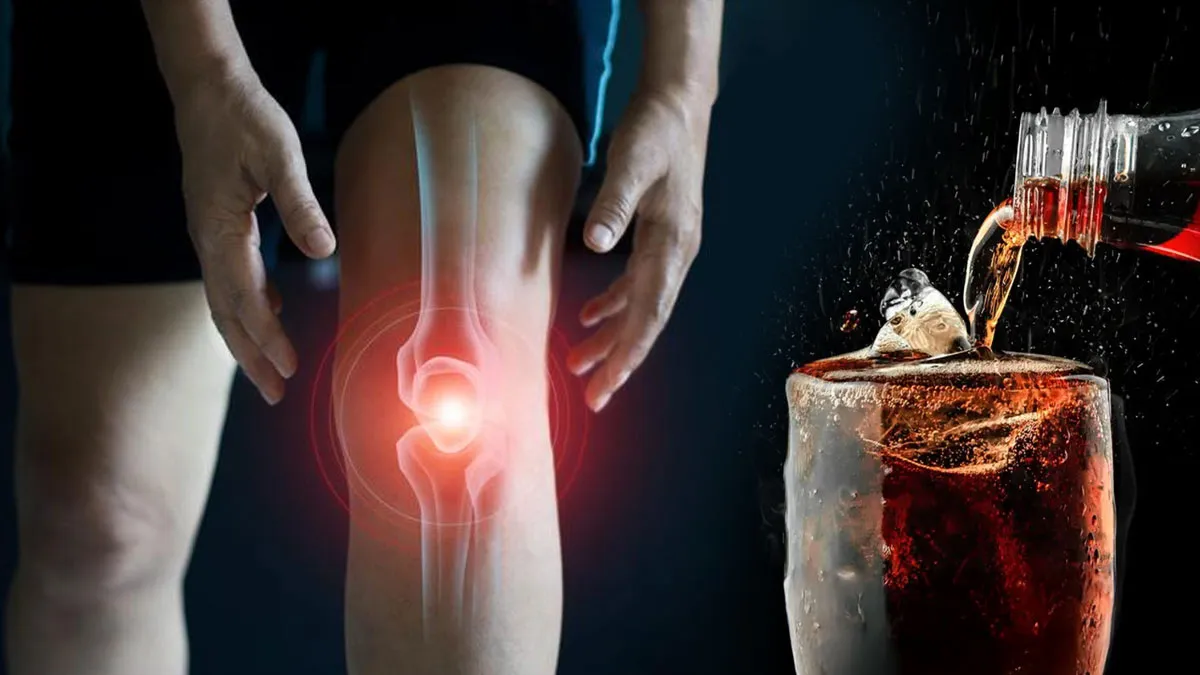
1. Sugary Soft Drinks
Soft drinks are among the most commonly consumed beverages worldwide. Unfortunately, many varieties contain large amounts of sugar and phosphoric acid, ingredients that may have an indirect impact on bone health.
Some studies suggest that frequent consumption of cola-based beverages may be associated with lower bone mineral density, particularly in women. One reason is that people who drink large quantities of soda often replace healthier beverages such as milk, which provides calcium and vitamin D—two nutrients essential for maintaining strong bones.
Excess sugar consumption can also contribute to chronic inflammation and metabolic imbalances that may interfere with the body's ability to maintain healthy bone tissue. In addition, sugary drinks can increase the risk of obesity, diabetes, and cardiovascular disease, all of which may indirectly affect overall health and mobility.
Healthier Alternatives:
-
Water infused with fruit slices
-
Sparkling water without added sugar
-
Low-fat milk
-
Calcium-fortified plant-based milk
2. Excessive Coffee and Caffeinated Drinks
Coffee is a beloved morning ritual for millions of people. In moderation, coffee offers several health benefits, including improved alertness and antioxidant intake. However, consuming excessive amounts of caffeine may not be ideal for bone health.
Research suggests that high caffeine intake can slightly increase calcium loss through urine. Over time, if calcium intake is insufficient, this loss may contribute to reduced bone density. This concern is particularly relevant for older adults, postmenopausal women, and individuals who already have a low calcium intake.
Energy drinks, strong caffeinated beverages, and multiple large cups of coffee per day may increase this risk. The problem becomes more significant when caffeine consumption is combined with poor dietary habits.
This does not mean you must eliminate coffee entirely. Most health experts agree that moderate coffee consumption is generally safe for healthy adults. The key is balance.
Tips for Coffee Lovers:
-
Limit excessive caffeine intake.
-
Ensure adequate calcium and vitamin D consumption.
-
Pair coffee with a nutrient-rich diet.
-
Stay physically active to support bone strength.
3. Alcoholic Beverages
Alcohol can have a direct and indirect impact on bone health. Chronic heavy drinking may interfere with the body's ability to absorb calcium and vitamin D, two nutrients necessary for bone formation and maintenance.
Excessive alcohol consumption can also disrupt hormone levels involved in bone metabolism. Over time, this may slow down the process of bone rebuilding while accelerating bone loss.
Another concern is that alcohol increases the risk of falls and accidents. For individuals whose bones are already weakened, a simple fall can result in fractures of the hip, wrist, or spine.
Numerous studies have found that heavy drinkers tend to have lower bone density and a higher risk of fractures compared to moderate drinkers or non-drinkers.
How to Reduce Risk:
-
Drink alcohol only in moderation.
-
Stay hydrated.
-
Eat balanced meals rich in calcium and protein.
-
Discuss alcohol consumption with your healthcare provider if you have osteoporosis risk factors.
Other Factors That May Increase Osteoporosis Risk
While beverage choices matter, they are only one piece of the puzzle. Other important risk factors include:
-
Aging
-
Family history of osteoporosis
-
Low body weight
-
Smoking
-
Physical inactivity
-
Vitamin D deficiency
-
Hormonal changes, especially after menopause
-
Certain medications, including long-term corticosteroid use
How to Protect Your Bones Naturally
Strong bones require lifelong care. Here are several habits that can help maintain bone density:
Eat Calcium-Rich Foods
Good sources include:
-
Milk and dairy products
-
Yogurt
-
Cheese
-
Sardines
-
Tofu
-
Leafy green vegetables
Get Enough Vitamin D
Vitamin D helps your body absorb calcium effectively. Safe sun exposure, fatty fish, fortified foods, and supplements can help maintain adequate levels.
Exercise Regularly
Weight-bearing exercises such as walking, jogging, dancing, and resistance training stimulate bone growth and help preserve bone mass.
Avoid Smoking
Smoking has been linked to decreased bone density and a higher risk of fractures.
Schedule Bone Health Screenings
Adults over 50, particularly women, should discuss bone density testing with their healthcare provider.
Final Thoughts
Osteoporosis doesn't develop overnight. It is usually the result of years of gradual bone loss influenced by genetics, lifestyle, nutrition, and overall health habits. While sugary soft drinks, excessive caffeine, and heavy alcohol consumption are not the sole causes of osteoporosis, they may contribute to weaker bones when consumed regularly and in large amounts.
The good news is that simple lifestyle changes can make a significant difference. Choosing healthier beverages, maintaining a balanced diet, staying active, and getting regular medical checkups can help protect your bones and support long-term health.
Your bones support you every day—taking care of them today may help you stay stronger, healthier, and more independent in the years ahead.