Heart Attacks Don’t Happen Randomly: 10 Critical Moments Your Heart Is Most at Risk
Heart attacks often feel sudden and unpredictable—but in reality, they frequently occur during specific moments when the body is under stress or imbalance. Understanding these vulnerable times could literally save a life.
Let’s break down the science behind when your heart is most at risk—and how to stay one step ahead.
The Silent Build-Up Before a Heart Attack
Before diving into the critical moments, it’s important to understand what’s happening inside the body.
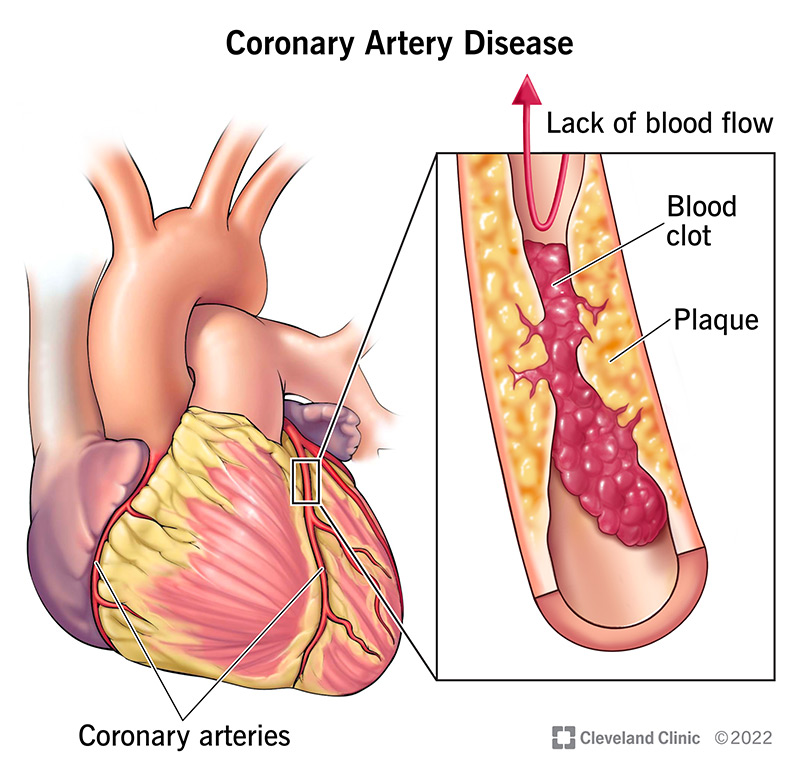
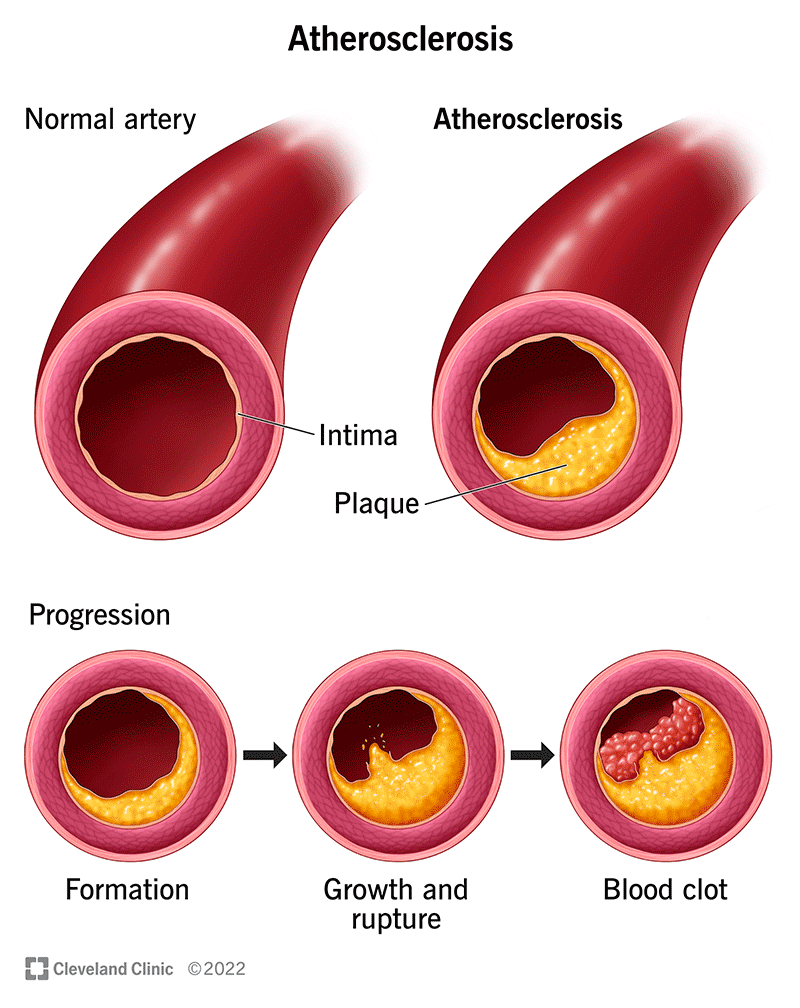
A heart attack usually occurs when blood flow to the heart muscle is blocked, often due to plaque buildup in the arteries. Over time, this plaque can rupture, forming a clot that stops circulation.
 4
4
When combined with triggers like stress, sudden exertion, or hormonal shifts, the risk skyrockets.
10 Critical Moments Your Heart Is Most Vulnerable
1. Early Morning (6 AM – 10 AM)
Your body releases stress hormones like cortisol to wake you up. This increases blood pressure and heart rate—making this the most common time for heart attacks.
2. Right After Waking Up
Jumping out of bed too quickly can shock your cardiovascular system. Blood pressure spikes, and your heart has to work harder instantly.
3. During Intense Emotional Stress
Anger, grief, or shock can trigger what’s known as “broken heart syndrome.” Emotional overload can mimic or even cause a real heart attack.
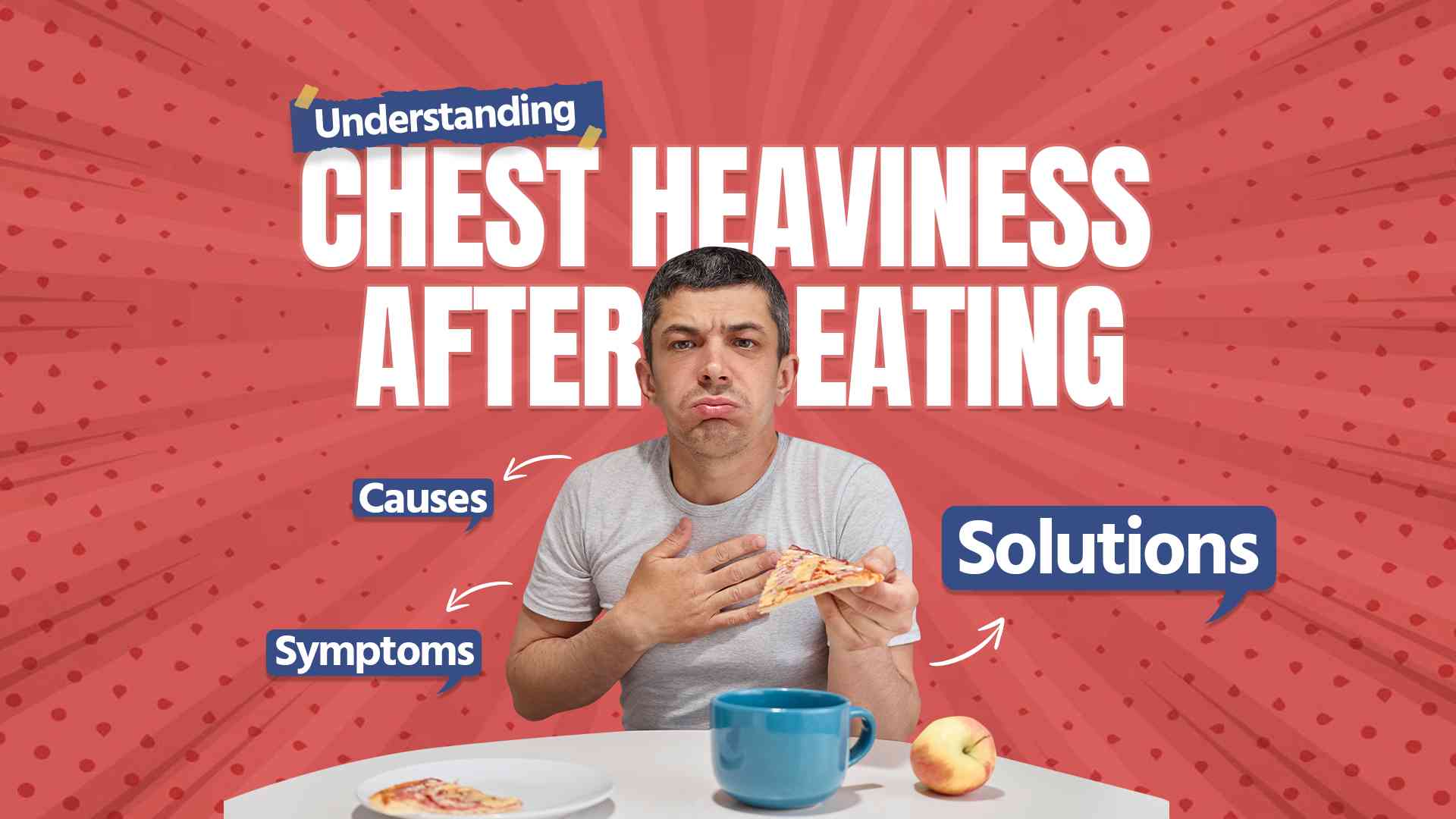
4. After Heavy Meals
Large meals force your body to redirect blood to digestion, reducing supply to the heart. This can be dangerous—especially if arteries are already narrowed.

 4
4
5. During Intense Physical Activity (If Untrained)
Sudden, vigorous exercise—especially without proper conditioning—can strain the heart and trigger cardiac events.
6. In Extremely Cold Weather
Cold temperatures cause blood vessels to constrict, raising blood pressure and increasing the risk of heart attacks.
7. While Smoking or Immediately After
Nicotine raises heart rate and blood pressure while reducing oxygen supply—creating a dangerous combination.
8. During Severe Illness or Infection
Conditions like the flu or pneumonia increase inflammation, which can destabilize plaque in arteries.
9. During Sleep (Especially with Sleep Apnea)
Interrupted breathing reduces oxygen levels, forcing the heart to work harder overnight.
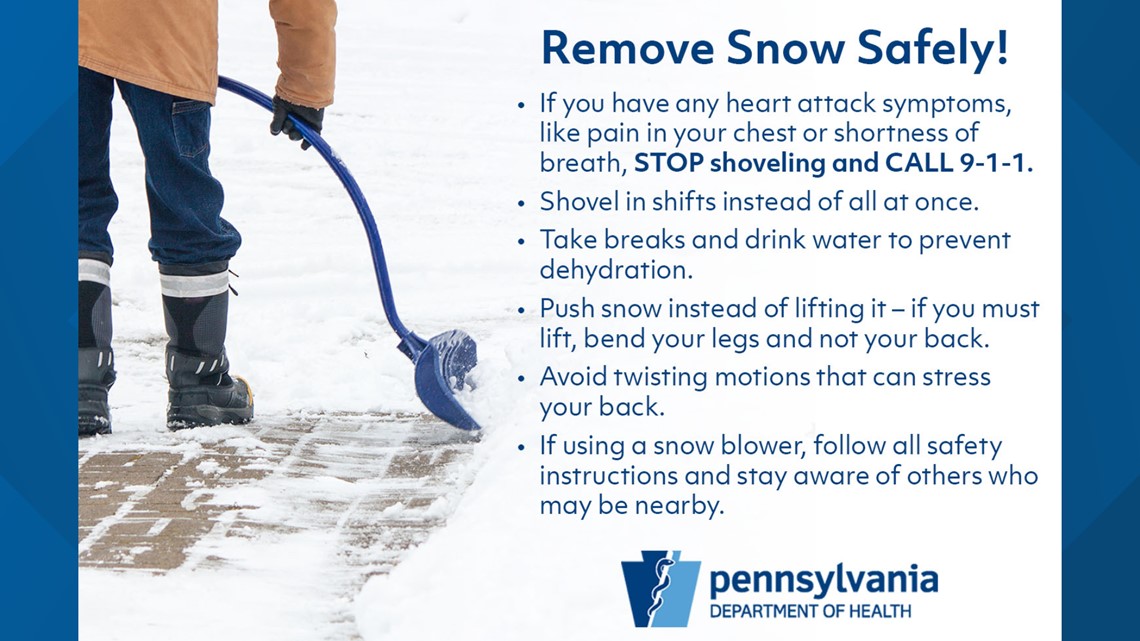
10. During Sudden Intense Effort (Like Lifting Heavy Objects)
Activities like shoveling snow or lifting heavy furniture can trigger a heart attack, especially in those with underlying conditions.


 4
4
Warning Signs You Should Never Ignore
Recognizing symptoms early can make the difference between life and death:
- Chest pain or pressure
- Pain radiating to arm, jaw, or back
- Shortness of breath
- Nausea or dizziness
- Cold sweats
⚠️ Important: Symptoms can vary, especially in women—sometimes appearing as fatigue or mild discomfort instead of intense pain.
How to Protect Your Heart Daily
Preventing a heart attack isn’t about one big change—it’s about consistent habits:
- Eat a balanced, heart-healthy diet
- Exercise regularly (but safely)
- Manage stress effectively
- Avoid smoking
- Get enough sleep
- Monitor blood pressure and cholesterol
Final Thought
Your heart doesn’t just fail out of nowhere—it sends signals and reacts to patterns.
By understanding these high-risk moments, it’s possible to reduce danger and stay in control of your health.