The most useful information comes from medical testing.
Two commonly used measures are:
Estimated Glomerular Filtration Rate (eGFR)
eGFR is calculated using blood creatinine along with other factors.
It provides an estimate of how well the kidneys are filtering blood.
In general, a lower eGFR can indicate reduced kidney function, although interpretation depends on the individual and the clinical context.
A single abnormal result does not necessarily mean someone has chronic kidney disease.
Doctors may repeat the test and consider trends over time.
Urine Albumin-to-Creatinine Ratio (UACR)
This urine test looks for albumin, a type of protein.
Healthy kidneys generally prevent significant amounts of albumin from passing into the urine.
Persistently elevated albumin in the urine can be an important marker of kidney damage, even when eGFR is still relatively preserved.
This is one reason kidney evaluation often involves both blood and urine testing.
Why Kidney Disease Can Be Difficult to Detect
One of the biggest misconceptions about kidney health is that kidney disease always produces obvious symptoms.
It doesn't.
A person can have early chronic kidney disease and feel completely normal.
This is why people with certain risk factors may benefit from regular screening even if they feel healthy.
Important risk factors include:
-
diabetes
-
high blood pressure
-
cardiovascular disease
-
family history of kidney disease
-
older age
-
previous kidney problems
-
certain medications or medical conditions
If you have one or more of these risk factors, ask your healthcare professional whether kidney testing is appropriate.
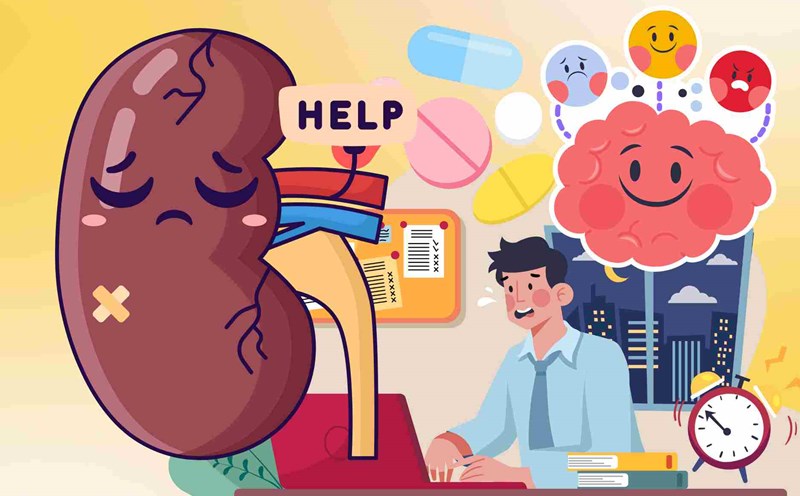
Don't Rely on Urine Color Alone
Urine color is useful as a general clue, but it isn't a kidney-function test.
Dark yellow urine often simply means you need more fluid.
Bright yellow urine can occur after taking certain vitamins.
Some foods and medications can change urine color.
Cloudy urine can have several explanations.
Red or brown urine, however, deserves attention when the cause isn't obvious.
The key is to look for persistent, unexplained changes, rather than assuming every difference signals kidney disease.
What Can You Do to Protect Your Kidneys?
There is no single food or supplement that guarantees kidney health.
Instead, focus on the factors that influence kidney function over the long term.
Keep Blood Pressure Under Control
High blood pressure is a major risk factor for chronic kidney disease.
If you've been diagnosed with hypertension, take prescribed medication as directed and follow your healthcare professional's recommendations regarding diet, physical activity, and monitoring.
Manage Blood Sugar
Diabetes is another major risk factor for kidney disease.
Keeping blood glucose within the range recommended for you can help reduce the risk of long-term complications.
Avoid Smoking
Smoking damages blood vessels and increases cardiovascular risk, both of which can affect kidney health.
Stopping smoking is beneficial for overall health.
Be Careful With Certain Painkillers
Frequent or long-term use of nonsteroidal anti-inflammatory drugs, such as ibuprofen or naproxen, can cause kidney problems in some people, particularly those with existing kidney disease or certain other risk factors.
That doesn't mean these medications are universally unsafe.
It means they should be used appropriately and according to medical guidance, especially if you have kidney problems.
Stay Physically Active
Regular physical activity supports cardiovascular health, blood-pressure control, metabolic health, and healthy body weight—all of which can indirectly protect the kidneys.
Follow a Balanced Diet
A diet emphasizing vegetables, fruits, whole grains, legumes, appropriate protein sources, and reasonable sodium intake can support overall health.
People with established kidney disease may need individualized restrictions on sodium, potassium, phosphorus, protein, or fluids, so generic “kidney diets” found online aren't appropriate for everyone.
When Should You Seek Medical Attention?
Some symptoms require more than simply waiting for a routine appointment.
Seek prompt medical attention for symptoms such as:
-
visible blood in the urine
-
severe or persistent pain in the side or back
-
fever with painful urination
-
inability to urinate
-
sudden or severe swelling
-
significant reduction in urine output
-
shortness of breath associated with severe fluid retention
-
or severe weakness, confusion, or other concerning symptoms
These symptoms can have different causes, but some require urgent evaluation.
The Most Important Takeaway
Your kidneys don't have to “hurt” for them to need attention.
In fact, early kidney disease may cause few or no noticeable symptoms.
The seven signs discussed above—normal urination patterns, generally normal urine appearance, absence of persistent swelling, healthy blood pressure, normal energy, absence of ongoing urinary or kidney-area problems, and reassuring laboratory results—can provide useful clues.
But only some of these are meaningful indicators, and none of the everyday signs can replace proper medical testing.
The strongest way to assess kidney health is through blood and urine tests, interpreted over time and in the context of your overall health.
If you have diabetes, high blood pressure, cardiovascular disease, a family history of kidney disease, or another risk factor, regular screening can be particularly important.
Your kidneys may work silently for years without demanding your attention.
That is precisely why taking care of them—and checking their function when appropriate - can be so valuable.