If the fruit is otherwise fresh, you may be able to remove the affected areas. If the strands are accompanied by a bad odor, slime, mold, or extensive decay, discard it.
What if the avocado is brown throughout but still firm?
Firmness does not prove freshness. Internal discoloration can develop even when the outside of the fruit does not appear severely damaged.
A firm avocado with widespread gray or brown flesh may have experienced storage-related damage or another internal defect. If it smells and feels normal, the problem may be mainly quality-related, but the fruit may still be unpleasant.
When the cause is uncertain and the discoloration is extensive, it is reasonable to discard it rather than trying to use every part.
7. Why Avocados Turn Brown Before You Have Time to Eat Them
Avocados can be frustrating because their ripening window is relatively short. A fruit that feels too firm on Monday may be ready on Wednesday and overly soft by Friday if it is left at room temperature.
Understanding the ripening process makes it easier to avoid waste.
Unlike some fruits that become sweeter on the tree, avocados typically continue their ripening process after harvest. Once picked, the fruit gradually softens as its internal structure changes.
Temperature plays a major role. Warmer conditions generally speed ripening, while refrigeration slows it. This is why a firm avocado is often left at room temperature until it becomes ripe, then moved to the refrigerator to slow further softening.
The challenge is timing. If you buy several avocados at different stages of ripeness, you can use them over several days rather than having all of them become soft at once.
The narrow window of ideal ripeness
An avocado can move from firm to ripe over a relatively short period. The exact timing depends on variety, maturity at harvest, temperature, and how the fruit has been handled.
A ripe avocado should yield gently when pressed in the palm. It should not feel rock hard, but it should not collapse under light pressure either.
Once it reaches that stage, refrigeration can help extend its usable period. The fruit will not remain perfect indefinitely, but cooler storage slows the ripening process.
Why some avocados ripen unevenly
Not every avocado softens at the same rate. One section may become tender while another remains firm. This can be related to the fruit's development, storage conditions, or damage during handling.
Uneven ripening can lead to an avocado that is creamy in one area and firm or discolored in another.
If the differences are mild and the fruit smells normal, you may still be able to use the good portions. If the uneven texture is accompanied by mold, slime, or an unpleasant odor, discard it.
How rough handling creates disappointment later
Avocados are delicate, especially as they soften. Dropping them, stacking heavy items on top of them, or squeezing them repeatedly can damage the flesh.
The damage may not be obvious immediately. A bruised area can become darker as the fruit continues to ripen.
That is why it is better to handle avocados gently from the moment you bring them home. Place them where they will not be crushed by other groceries, and avoid storing them beneath heavy objects.
8. The Best Way to Store Whole Avocados
Good storage can make a noticeable difference in how long an avocado remains enjoyable. The goal is to allow it to ripen at a suitable pace and then slow the process once it is ready.
Keep unripe avocados at room temperature
If an avocado is hard and not yet ready to eat, leave it at room temperature. Place it somewhere with reasonable airflow and away from direct heat.
Check it gently each day. When it begins to yield slightly to pressure, it is approaching the stage at which it can be eaten.
Do not place an unripe avocado in the refrigerator if your goal is to let it ripen normally. Cold storage can slow the process and may interfere with the development of good texture and quality.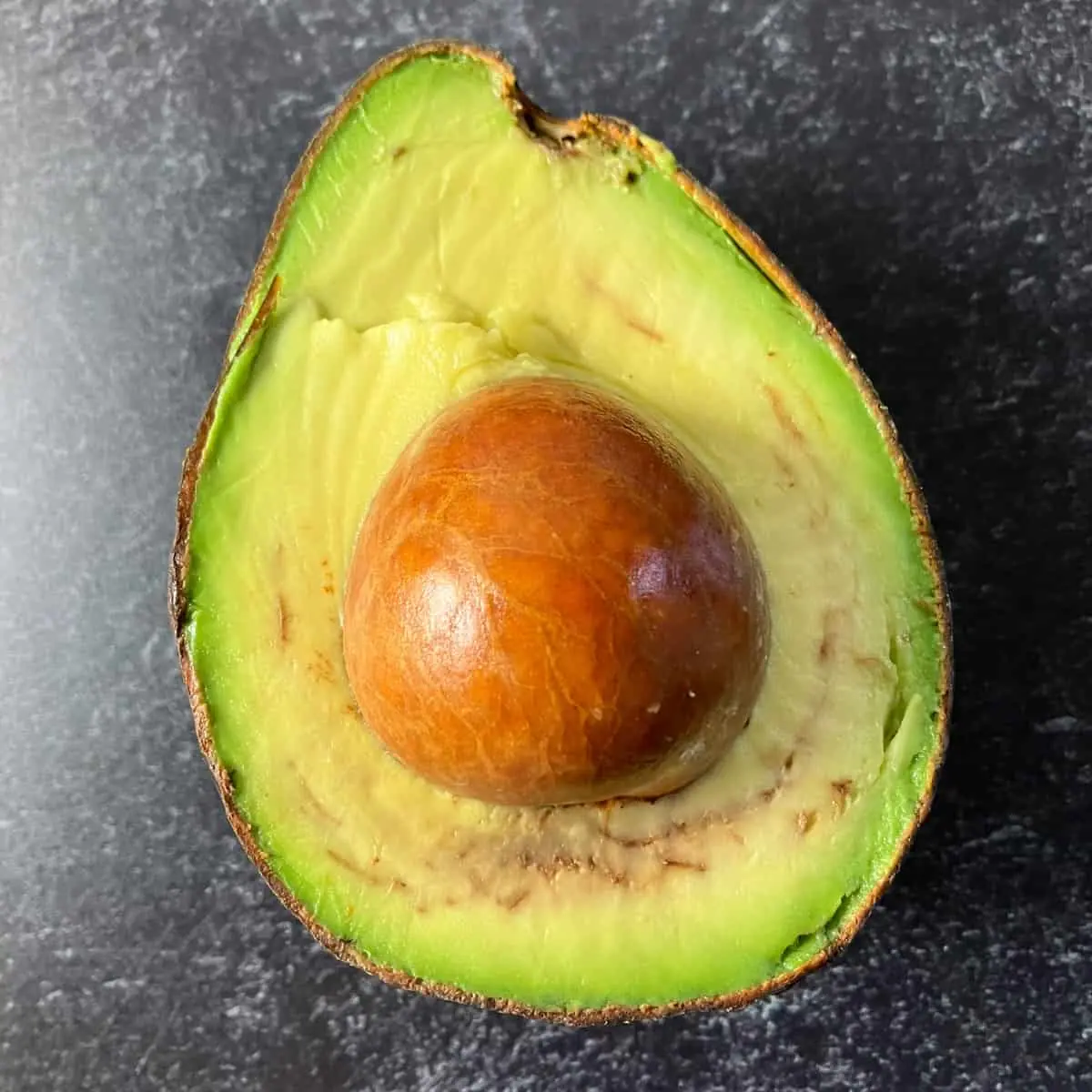
Use a paper bag when you want to speed ripening
If you have a hard avocado and want it to ripen sooner, placing it in a paper bag at room temperature can help.
Some people add a banana or apple to the bag. These fruits release ethylene, a natural plant hormone that can speed the ripening of certain fruits, including avocados.
This method can be useful when you need an avocado for a meal in the next few days. However, it does not provide an exact timetable. Check the fruit regularly so it does not become overripe while you are waiting.
Avoid sealing the avocado in a plastic bag at room temperature for extended periods. Trapped moisture and poor airflow can create less favorable storage conditions.
Refrigerate once it is ripe
When an avocado has reached the firmness you want, move it to the refrigerator. Cooler temperatures slow further softening and can help preserve its quality for a little longer.
The exact storage time varies with the fruit's condition, variety, and refrigerator temperature. A ripe avocado should still be checked rather than assumed to remain fresh for a fixed number of days.
If you have several avocados, refrigerate the ones that are already ripe and leave the firmer ones at room temperature. This simple approach can spread out the time when each fruit is ready.
Keep avocados away from pressure and impact
Avoid placing ripe avocados at the bottom of a crowded shopping bag or beneath heavy containers in the refrigerator.
Even a small impact can damage soft flesh. The resulting bruising may appear as dark areas after the avocado is cut.
A separate shelf or produce drawer can help protect the fruit from being crushed.
9. How to Store a Cut Avocado Without Letting It Turn Brown Too Quickly
Once an avocado is cut, its flesh begins reacting with oxygen. This is why the surface can darken even when the fruit was perfectly fresh.
You cannot prevent every color change, but you can slow it down.
Add lemon or lime juice
A little lemon or lime juice on the exposed flesh can slow enzymatic browning. The acidity helps reduce the reaction that creates brown pigments.
You do not need to soak the avocado. A light coating over the cut surface is usually enough.
This method works particularly well when preparing avocado for sandwiches, salads, dips, or toast. It may add a slight citrus flavor, which is often welcome in those dishes.
Reduce contact with air
Oxygen is involved in the browning process, so reducing the amount of air that reaches the exposed flesh can help.
Place the cut avocado in an airtight container or wrap the exposed surface tightly with suitable food wrap. Refrigerate it promptly.
The aim is to limit exposure to air while keeping the fruit cold. Simply leaving an avocado half on a plate in the refrigerator will not protect it as effectively.
Keep the pit if you are storing half an avocado
Leaving the pit in the unused half can protect the small area of flesh directly beneath it from exposure to air.
However, the pit does not preserve the entire cut surface. The exposed flesh around it can still turn brown.
For better results, combine the pit with lemon or lime juice and airtight storage.
Use a clean container
A clean container with a secure lid helps protect cut avocado from contamination and reduces exposure to air.