It is not useful to treat every brown patch as evidence that the fruit has become nutritionally worthless. Nor should nutrition be used as a reason to eat an avocado that shows signs of spoilage.
The best choice is to use fruit while it is fresh and in good condition. If a small section has browned but the rest is sound, removing the discolored part may be reasonable. If the fruit is moldy, slimy, or smells unpleasant, discard it.
15. Easy Ways to Use an Avocado That Is Very Soft but Still Fresh
Sometimes an avocado becomes too soft for attractive slices but is still fresh and suitable for eating. If it has a normal smell, no mold, and no slimy or watery decay, it may still work well in recipes where the texture is less important.
Make guacamole
Very ripe avocado is ideal for guacamole because it mashes easily.
Combine the flesh with lime juice, chopped onion, tomato, cilantro, and a little salt. Add chili or pepper if you like a stronger flavor.
If the avocado has a few small bruised areas, remove them before mashing. Do not use fruit with signs of spoilage.
Blend it into a smoothie
Avocado can give smoothies a creamy texture. Combine it with banana, milk or a plant-based alternative, and other fruit.
A very soft avocado may be easier to blend than one that is firm enough to slice.
Prepare a creamy dressing
Mash or blend avocado with lemon juice, herbs, water, and a little olive oil to make a dressing for salads or vegetables.
The smooth texture can help create a thick dressing without needing cream.
Spread it on toast
A soft avocado can be mashed with a fork and spread over toast. Add lemon, pepper, herbs, or a boiled egg for a simple meal.
Use it in baking
Avocado can be used in some baking recipes as a source of fat, although it may change the texture and flavor. It is not a universal one-for-one replacement in every recipe, so follow a recipe designed for it.
These ideas are useful for fruit that is simply very ripe. They are not ways to disguise spoiled food. If an avocado smells bad or has mold, do not blend, bake, or cook it in an attempt to make it safe.
16. A Quick Kitchen Checklist Before You Eat an Avocado
When you cut open an avocado and notice an unusual appearance, take a moment to check it rather than making a decision based only on color.
It may still be usable when:
-
The brown area is limited to a thin exposed surface.
-
There are a few small bruised patches that can be removed.
-
The flesh smells mild and normal.
-
The remaining flesh is creamy rather than slimy.
-
There is no visible mold.
-
The fruit has been stored appropriately.
Discard it when:
-
You see fuzzy mold on the skin or flesh.
-
It smells sour, fermented, rancid, or strongly unpleasant.
-
The flesh is slimy or has extensive wet decay.
-
Large areas have collapsed into a mushy mass.
-
There are several signs of spoilage together.
-
You cannot confidently determine whether it has been stored safely.
This checklist is not a laboratory test, but it provides a sensible way to assess quality and recognize obvious warning signs.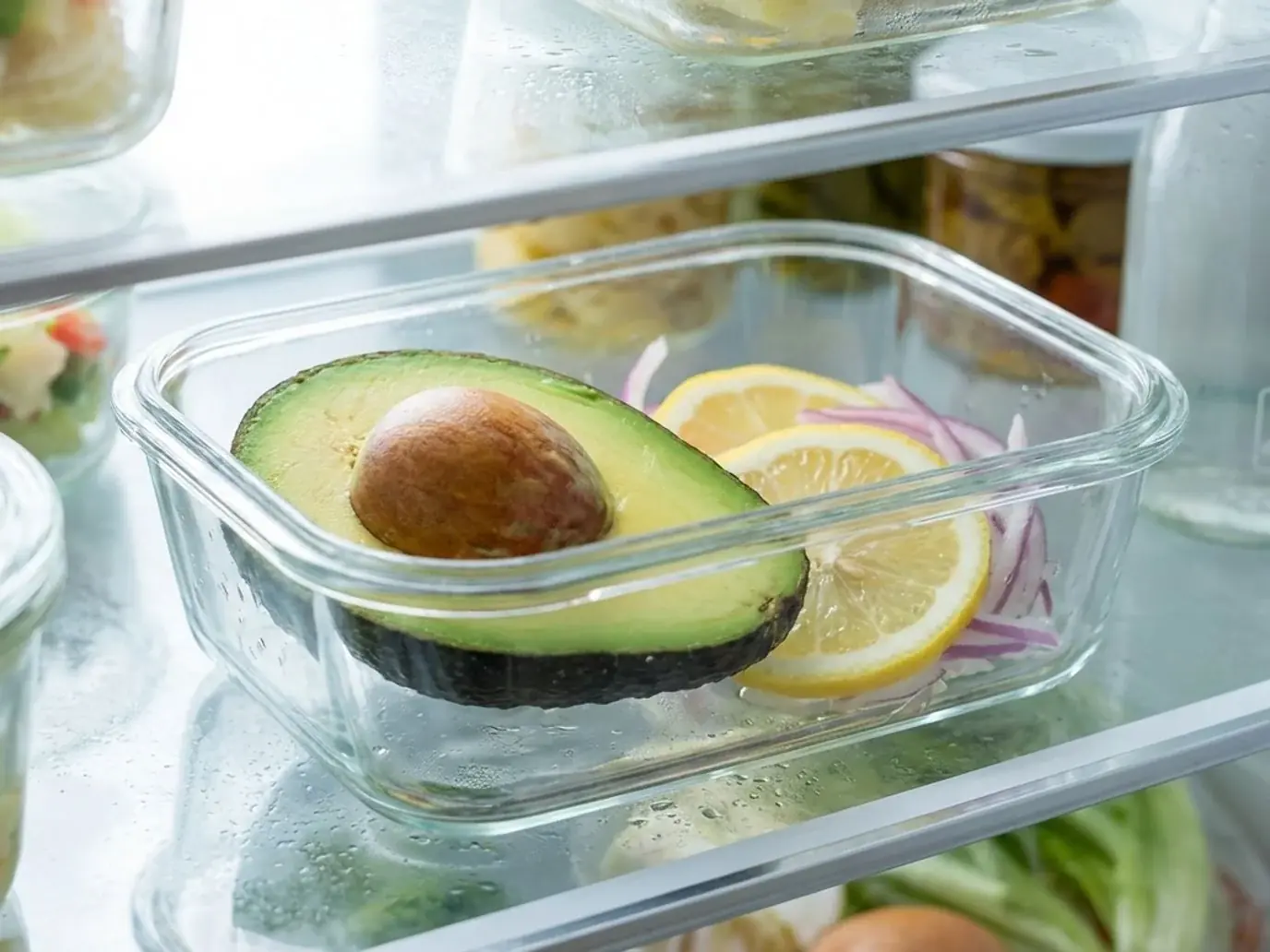
17. Questions People Often Ask About Avocado Freshness
Is it safe to eat an avocado that has turned brown overnight?
If the avocado was cut, covered, and refrigerated, a brown surface may simply be the result of oxidation. The color change itself does not automatically mean it is spoiled.
Check the smell and texture. If the flesh remains normal and there is no mold or sliminess, the brown surface can often be scraped away. If it smells unpleasant or shows other signs of deterioration, discard it.
Can I cut away the brown part and eat the green part?
If the discoloration is small and localized, and the rest of the avocado looks and smells normal, removing the affected section may be reasonable.
This is not appropriate when the fruit has mold. Because avocado is soft, mold may extend beyond the visible area. In that situation, discard the whole fruit.
Why does my avocado have brown lines even though I just cut it?
Brown lines inside an avocado can be associated with vascular browning or other internal quality defects. They are different from the thin brown layer that develops on the cut surface after exposure to air.
The lines may have developed before you purchased the fruit. They can be associated with handling, storage, or temperature conditions during distribution. Their appearance alone does not establish whether the fruit is unsafe.
Why is my avocado brown near the seed?
Some discoloration near the seed can occur as the fruit ages or reacts with air. A small area does not necessarily mean the entire avocado is spoiled.
Inspect the rest of the flesh. If it is creamy, smells normal, and has no mold or slime, you may be able to remove the discolored area and use the remaining portion.
Can an avocado be bad even if the skin looks perfect?
Yes. The outer skin does not always reveal internal damage. Bruising, vascular browning, and other quality defects may only become visible after the fruit is cut.
That is why it is useful to consider the fruit's firmness, storage history, and smell as well as its appearance.
Does putting the pit back into the avocado stop browning?
No. The pit only covers the small area directly beneath it. The rest of the exposed flesh remains in contact with air and can still turn brown.
For better results, use citrus juice, reduce air exposure with a tight cover, and refrigerate the fruit.
Should I wash an avocado before cutting it?
Yes. Rinse the whole avocado under cool running water before cutting, and rub the skin gently with clean hands or a produce brush. Even though you do not eat the skin, a knife can transfer dirt or microorganisms from the outside to the flesh as it passes through.
Dry the fruit with a clean towel before cutting. Washing it just before preparation is preferable to storing it wet.
18. The Most Important Lesson: Look Beyond the Color
The avocado in the photograph may look disappointing, especially to someone expecting smooth green flesh. Its dark internal lines and uneven appearance suggest that something has affected its quality. But the image cannot tell us exactly what happened, and it cannot establish food safety on its own.
That is why the best way to judge an avocado is to consider several clues together.
A little brown color can be harmless oxidation. A few dark patches may be bruising. Long brown strands may be internal vascular discoloration. But mold, a sour or rancid smell, sliminess, and widespread wet decay are warning signs that should not be ignored.
For everyday shopping, remember the gentle squeeze test. Choose fruit according to when you plan to use it. Let firm avocados ripen at room temperature, refrigerate them once ripe, and protect cut flesh from air with citrus juice and airtight storage.
Most importantly, do not let the fear of wasting food push you into eating something that appears spoiled. Saving money matters, but so does making a sensible decision about what you put on your plate.
A brown avocado is not always a bad avocado. Knowing what to look for can help you avoid throwing away perfectly usable fruit—while recognizing when it is time to let one go.