When temperatures rise, an air conditioner can quickly become one of the most valuable appliances in your home. It helps you sleep better, stay productive, and escape the uncomfortable heat that can make everyday activities exhausting. However, many households face the same dilemma during hot weather: how can they enjoy a cool, comfortable home without watching their electricity bills climb higher every month?
The good news is that staying cool does not necessarily mean running your air conditioner at maximum power or accepting expensive energy bills. With a few practical adjustments, the right temperature settings, and better control of indoor heat, you can maintain a comfortable environment while reducing unnecessary electricity consumption.
The secret is not to stop using your air conditioner. Instead, it is to help the appliance work more efficiently.
From choosing the right temperature and cleaning your filters to improving insulation and using fans strategically, these simple habits can make a meaningful difference over time.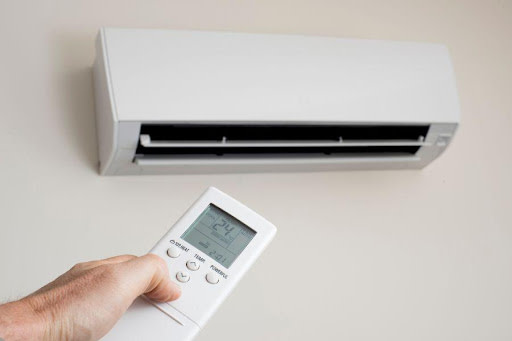
1. Set Your Air Conditioner to a Comfortable Temperature
One of the easiest ways to reduce air conditioning costs is to choose a sensible temperature setting.
When you enter a hot room, you may be tempted to set the air conditioner to its lowest temperature immediately. For example, you might choose 16°C or 18°C because you want the room to become cool as quickly as possible.
However, setting a very low temperature does not necessarily make an air conditioner cool the room faster. Most conventional air conditioners operate at their available cooling capacity until the room approaches the target temperature. Selecting an unnecessarily low setting can simply cause the unit to run longer than needed.
For many households, a setting around 24°C to 26°C is a reasonable starting point during warm weather. The ideal temperature depends on outdoor conditions, humidity, clothing, activity levels, and personal preference.
If 25°C feels comfortable, there may be little reason to lower the setting to 20°C.
Even a small adjustment can help reduce energy consumption, particularly when the air conditioner operates for many hours each day. The exact savings vary depending on the equipment, climate, insulation, and how frequently the unit runs.
A practical tip: Start at approximately 26°C and adjust gradually until you find a temperature that feels comfortable. You do not need to tolerate excessive heat just to save money, but you should avoid cooling the room more than necessary.
Also, remember that the temperature displayed on the remote control may not match the temperature in every part of the room. A thermometer placed away from direct sunlight and the air conditioner's direct airflow can help you understand the actual indoor conditions.
2. Use a Fan Alongside Your Air Conditioner
A ceiling fan or portable electric fan can make an air-conditioned room feel cooler without requiring you to lower the thermostat.
Fans work differently from air conditioners. They move air across the skin, increasing heat loss through convection and, when conditions permit, evaporation of sweat. This creates a cooling sensation even though a fan does not significantly reduce the room's air temperature.
When you combine a fan with an air conditioner, you may be able to maintain comfort at a slightly higher thermostat setting.
For example, instead of setting the air conditioner to 22°C, you might find that 25°C with a gentle fan provides a similar level of comfort.
Because fans generally consume much less electricity than air conditioners, this approach can reduce overall energy use.
However, fans cool people rather than empty rooms. If you leave the room for an extended period, turn off the fan unless it serves another purpose.
Pay attention to airflow as well. The fan should circulate air throughout the occupied area without creating an uncomfortable draft. In bedrooms, a low or medium speed is often sufficient.
For ceiling fans, use the appropriate rotation direction for your climate and manufacturer's recommendations. In many cases, a counterclockwise rotation during warm weather helps create a cooling breeze directly beneath the fan.
The important point is to use the fan to improve comfort rather than relying on the air conditioner alone.
3. Keep the Air Conditioner Filter Clean
A dirty air filter is one of the most common reasons an air conditioner performs poorly.
Over time, dust, lint, and other particles accumulate on the filter. When the filter becomes clogged, airflow can decrease, making it harder for the system to move enough air across the cooling coil.
The result may be reduced cooling performance, longer operating times, and unnecessary energy consumption. Severe airflow restrictions can also contribute to problems such as coil freezing.
Cleaning the filter is a simple maintenance task that many homeowners can perform themselves.
For a typical wall-mounted split air conditioner, the process usually involves the following steps:
-
Turn off the unit and follow the manufacturer's safety instructions.
-
Open the front panel carefully.
-
Remove the washable filters as described in the manual.
-
Gently clean them using a vacuum or rinse them with water if the manufacturer permits.
-
Allow the filters to dry completely before reinstalling them.
-
Close the panel securely and restart the unit.
Avoid reinstalling wet filters, using harsh chemicals, or forcing delicate components into place.
How frequently should you clean the filter? There is no single schedule suitable for every home. Some filters need attention every few weeks during heavy use, while others can go longer. Dusty environments, pets, construction nearby, and frequent operation may require more frequent cleaning.
Check the manufacturer's instructions and inspect the filter regularly.
It is also important to understand that cleaning the filter does not replace professional maintenance. If the unit continues to cool poorly despite having a clean filter, the problem may involve the outdoor coil, refrigerant system, drainage, or another component.