The Hidden Risk of Liver Fluke Infection From Common Eating Habits Many People Still Have
Liver fluke infection is not a rare or “old-fashioned” disease, as many people assume. In reality, it remains a serious health threat in many parts of Asia and beyond, largely because it is linked to everyday eating habits that feel normal, traditional, and harmless.
What makes liver fluke infection especially dangerous is that it often develops silently, damaging the liver and bile ducts for years before obvious symptoms appear.
What Are Liver Flukes?
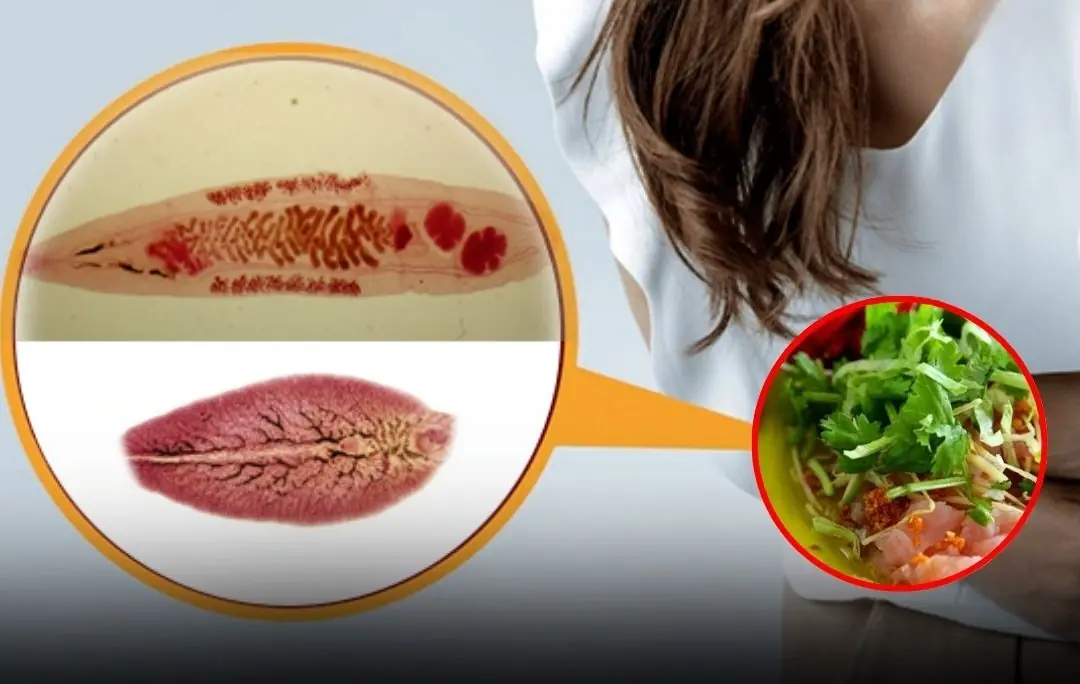
Liver flukes are parasitic flatworms that live in the bile ducts and liver. The most common species affecting humans include:
-
Clonorchis sinensis
-
Opisthorchis viverrini
-
Fasciola species
Once inside the body, these parasites can survive for 10–20 years, continuously irritating liver tissue and interfering with bile flow.
Why Eating Habits Are the Main Source of Infection
The majority of liver fluke infections happen through food, not poor hygiene or dirty water alone.
The highest-risk habits include:
1. Eating Raw or Undercooked Freshwater Fish
This is the number one cause of liver fluke infection.
Common risky dishes include:
-
Raw fish salads
-
Lightly pickled or fermented fish
-
Fish soaked in lemon, vinegar, or spices
-
“Rare” or briefly blanched fish
Many people believe acid, alcohol, or spices kill parasites — they do not. Liver fluke larvae can survive these preparations easily.
2. Consuming Raw Aquatic Plants
Some liver fluke species are transmitted through raw water plants, such as:
-
Watercress
-
Aquatic herbs grown in ponds or rivers
If these plants are eaten without proper cooking, parasite cysts may enter the body.
3. Trusting “Traditional” or “Clean-Looking” Food
A common misconception is:
“We’ve eaten this for generations, so it must be safe.”
Unfortunately, tradition does not equal safety when parasites are involved. Even fish from clean-looking rivers or trusted local sources can carry infective larvae.
4. Eating Outside Frequently Without Knowing Food Sources
Street food or small eateries may:
-
Use raw or lightly processed fish
-
Lack strict food safety control
-
Prepare dishes quickly without full cooking
This increases exposure risk, especially when raw dishes are popular.
What Happens After Infection?
After ingestion, liver fluke larvae:
-
Travel to the bile ducts
-
Mature into adult worms
-
Cause chronic irritation and inflammation
Over time, this can lead to:
-
Bile duct inflammation
-
Gallstones
-
Liver enlargement
-
Chronic abdominal pain
-
Jaundice
Most concerning, long-term liver fluke infection is strongly linked to bile duct cancer (cholangiocarcinoma) — one of the deadliest cancers with very poor survival rates.
Why Symptoms Are Often Missed
Many infected individuals experience:
-
Mild indigestion