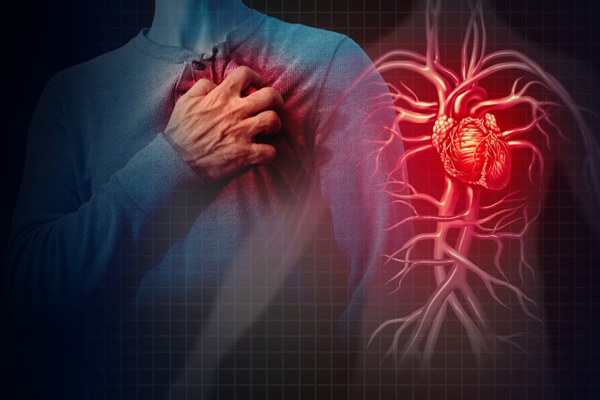
These Everyday Factors May Increase the Risk of Colon Cancer — Often Without You Realizing It
Colon cancer does not develop overnight. In most cases, it grows slowly over many years, influenced by daily habits and lifestyle factors that often go unnoticed. Because the early stages rarely cause obvious symptoms, many people are unaware that their routine choices may be quietly increasing their risk.
Understanding these hidden factors is not meant to create fear — it is meant to create awareness, prevention, and early action.
Below are key everyday factors linked to a higher risk of colon cancer, many of which are easy to overlook.
1. Sitting for Long Periods Every Day
A sedentary lifestyle is one of the most underestimated risk factors.
Spending hours sitting — whether at a desk, in a car, or on the couch — slows down digestion and reduces bowel movement activity. This allows waste to remain in the colon longer, increasing contact between the intestinal lining and harmful substances.
Research consistently shows that low physical activity is associated with higher rates of colon cancer, even in people who exercise occasionally but sit most of the day.
Key warning sign: Rare bowel movements, bloating, or sluggish digestion.
2. Low Fiber Intake
Fiber plays a critical role in colon health. It:
-
Adds bulk to stool
-
Speeds up waste elimination
-
Feeds beneficial gut bacteria
Diets low in fruits, vegetables, whole grains, and legumes often lead to chronic constipation and inflammation, creating an environment where abnormal cells are more likely to develop.
Many modern diets are high in refined carbohydrates but dangerously low in fiber, even when calorie intake is high.
3. Frequent Consumption of Processed and Red Meat
Regular intake of:
-
Processed meats (sausages, bacon, hot dogs)
-
Large amounts of red meat
has been linked to a higher risk of colon cancer in multiple large studies.
These foods can produce harmful compounds during digestion, especially when cooked at high temperatures. Over time, these compounds may damage the DNA of colon cells.
This does not mean you must eliminate meat completely, but frequency and portion size matter greatly.
4. Ignoring Irregular Bowel Habits
Many people normalize changes in bowel movements, assuming they are caused by stress or diet.
However, persistent changes such as:
-
Chronic constipation or diarrhea
-
Alternating stool patterns
-
Narrow or unusually shaped stools
-
A feeling of incomplete emptying
should never be ignored, especially if they last more than a few weeks.
These changes can be early signals of colon irritation, polyps, or other abnormalities.
5. Chronic Inflammation in the Gut
Conditions that cause long-term inflammation — such as inflammatory bowel disease (IBD), ulcerative colitis, or Crohn’s disease — significantly increase colon cancer risk.
Even low-grade inflammation caused by:
-
Poor diet
-
High sugar intake
-
Excess alcohol
-
Imbalanced gut bacteria
can quietly damage the intestinal lining over time.
6. Lack of Regular Screening
One of the biggest risk factors is not getting screened at the appropriate age.
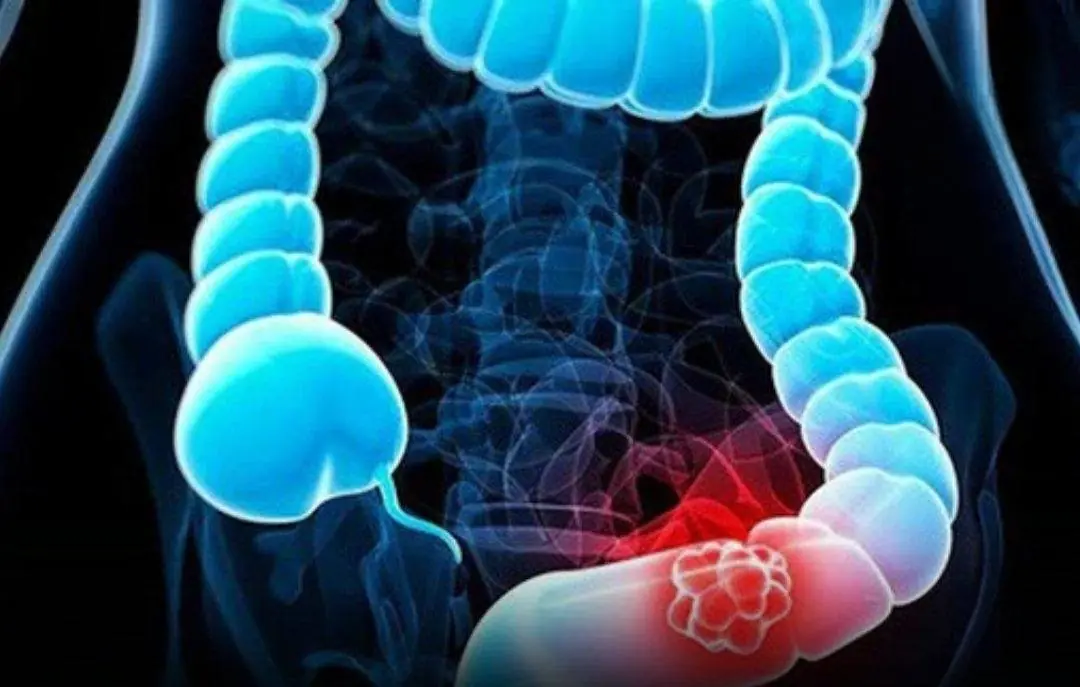
Colon cancer often begins as small, non-cancerous polyps. These can be detected and removed long before cancer develops — but only if screening is done.
Many people delay screening because:
-
They feel healthy
-
They have no symptoms
-
They are afraid or uncomfortable
Unfortunately, symptoms often appear only after the disease has progressed.
7. Excess Alcohol and Smoking
Both alcohol and smoking introduce toxins that affect the entire digestive tract.
-
Alcohol irritates the colon lining
-
Smoking increases genetic mutations in cells
Together, they significantly raise the risk of colorectal cancer, especially when combined with poor diet and inactivity.