A home may contain ceramic tiles in the kitchen, laminate in the living room, hardwood in the bedrooms, and natural stone in the bathroom. These materials have different cleaning requirements.
Ceramic and porcelain tiles
Ceramic and porcelain tiles are generally more resistant to moisture than many other flooring materials. Some tile-cleaning guidance includes sodium bicarbonate among the possible household cleaning ingredients.
Even so, the tile surface and grout should be considered separately.
Grout can absorb dirt and cleaning residue. A mixture that appears harmless on the tile may leave deposits in the grout lines if it is not removed properly.
Avoid aggressive scrubbing on polished or delicate finishes. Use a soft mop or cloth and follow the care instructions for the specific tile.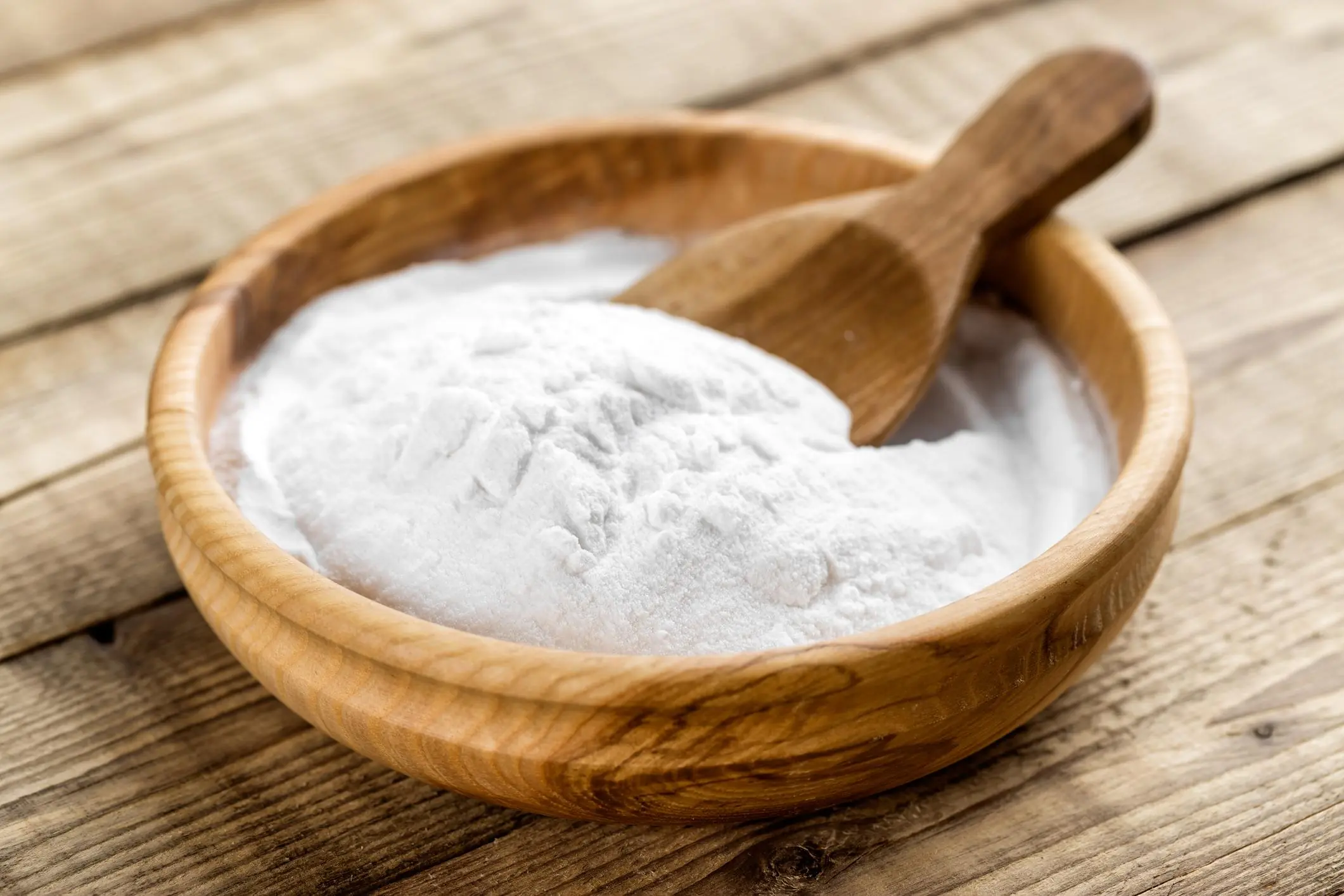
Vinyl flooring
Vinyl flooring is popular because it is practical and relatively easy to maintain. However, different vinyl products have different protective layers and manufacturer recommendations.
Do not assume that every vinyl floor can tolerate every homemade cleaner.
A damp microfiber mop and an approved neutral floor cleaner are often a sensible starting point. If you want to try baking soda, check the manufacturer's instructions first.
Avoid leaving water pooled around seams or edges.
Laminate flooring
Laminate requires particular care because moisture can enter through joints and exposed edges. Excessive water may cause swelling or damage to the internal layers.
Some cleaning guides mention diluted sodium bicarbonate solutions for laminate, but that does not override the instructions supplied with a particular product.
Use minimal moisture, wring the mop thoroughly, and never leave puddles on the surface.
If the manufacturer recommends a specific laminate cleaner, use that instead of experimenting with a homemade mixture.
Hardwood floors
Hardwood floors deserve extra caution.
Wood can respond to both moisture and cleaning chemicals. Some finishes may become dull or damaged when exposed to unsuitable alkaline cleaners, acidic products, or excessive water.
For many finished wood floors, the safer routine is a dry or lightly damp microfiber mop combined with a cleaner specifically designed for the finish.
Do not assume that baking soda is suitable for hardwood simply because it is commonly used in other parts of the home.
Natural stone
Natural stone includes materials such as marble, limestone, travertine, and granite. Their care requirements can vary significantly.
Some stones are sensitive to acids, while certain finishes may also be affected by alkaline products or abrasive cleaning materials.
The safest approach is to use a cleaner approved for the specific stone. Avoid experimenting with homemade recipes unless the stone-care professional or manufacturer confirms that the ingredients are suitable.
The World Floor Covering Association recommends using appropriate products for stone and warns that excess cleaning solution can leave a film or streaks.
The Biggest Secret: Your Mop May Matter More Than the Mixture
Many people spend time searching for the perfect floor-cleaning ingredient while overlooking the condition of the mop itself.
A dirty mop head can make even a good cleaning solution ineffective.
Think about what happens during a typical cleaning session. The mop collects dust, hair, grease, food residue, and other particles. When it is repeatedly dipped into the same bucket, some of that dirt can return to the water.
If the mop is not rinsed properly, the next pass may spread part of the dirt back onto the floor.
This is one reason floors sometimes look streaky or feel sticky after cleaning.
A microfiber mop can help because its fine fibers are designed to capture and hold small particles. However, the mop head still needs to be cleaned and maintained correctly.
A few habits make a significant difference:
-
Rinse the mop head frequently.
-
Replace or wash the mop pad when it becomes visibly dirty.
-
Avoid returning a heavily soiled mop directly to clean solution.
-
Empty the bucket when the water becomes dirty.
-
Wash reusable mop heads according to their care instructions.
-
Allow mop heads to dry completely before storing them.
Some microfiber manufacturers also recommend avoiding fabric softener when washing their products because it can coat the fibers and reduce their cleaning performance.
The mop should not smell unpleasant when you take it out of storage. If it does, wash it thoroughly and allow it to dry before using it again.
Why Dirty Mop Water Can Make Floors Look Worse
Imagine washing a white shirt in a bucket of muddy water. Even if you move the fabric around carefully, it is unlikely to come out looking clean.
The same principle applies to floor cleaning.
As the mop collects dirt, the water gradually becomes contaminated. If you continue using that water without changing it, the cleaning process becomes less effective.
Instead of removing dirt, you may redistribute it.
This can produce several familiar problems:
Sticky patches: These may occur when cleaning solution or dirt is left behind.
Cloudy streaks: These can appear when excess product dries on the surface.
Unpleasant smells: Dirty water and an unwashed mop head can contribute to odors.
Visible footprints: A residue-covered floor may show marks more easily.
The solution is straightforward: use fresh water when necessary, rinse the mop regularly, and avoid using more cleaning product than the floor requires.
A clean mop head and fresh solution often matter more than adding another household ingredient.
The Best Way to Keep Floors Looking Clean Between Mopping Sessions
If you want to reduce how often you need to mop, the most effective approach is to prevent dirt from spreading throughout the home.
A few simple habits can make a noticeable difference.