That's an important distinction because frightening explanations spread quickly when people encounter something unfamiliar.
Sometimes the simplest explanation is that the animal was accidentally carried indoors.
The Best Prevention Strategy Is to Reduce Moisture
Leeches require a moist environment to survive.
That means one of the simplest ways to make your home less attractive to them is to avoid unnecessary moisture.
After showering, allow wet surfaces to dry.
Fix leaking faucets and pipes.
Don't allow water to accumulate around the bathroom floor.
Check areas beneath sinks for slow leaks.
Keep floor drains clean and properly maintained.
Good ventilation also helps.
If your bathroom remains damp for long periods, using an exhaust fan or improving ventilation can help reduce overall moisture.
This isn't specifically a "leech treatment."
It's simply good bathroom maintenance.
A dry, clean environment is less hospitable to many unwanted organisms.
Check Drains and Plumbing Openings
If you've found something unusual near a drain, inspect the drain and surrounding plumbing.
Make sure drain covers are properly fitted.
Check for damaged seals around plumbing fixtures.
Look for gaps around pipes entering the floor or wall.
If there is a persistent plumbing problem, have it inspected.
You don't necessarily need to pour harsh chemicals down every drain.
Routine cleaning and proper maintenance are usually more appropriate.
And if you suspect an actual plumbing defect, repairing the source is more useful than repeatedly treating the symptom.
Be Careful After Visiting Freshwater Areas
One of the easiest ways for aquatic organisms to travel is on wet clothing, footwear, equipment, or objects.
If you've recently been:
-
Swimming in a freshwater pond
-
Hiking near a stream
-
Fishing
-
Wading through shallow water
-
Exploring wetlands
-
Handling aquatic plants
-
Cleaning outdoor water equipment
take a moment to check your shoes, clothing, bags, and equipment before bringing everything indoors.
Shake out footwear.
Inspect damp clothing.
Allow wet equipment to dry outdoors when practical.
This simple habit can prevent many unexpected encounters with small aquatic creatures.
What If You Keep Finding Them?
Finding one unusual animal is one thing.
Finding several is another.
If leech-like creatures repeatedly appear inside your home, especially in the bathroom, don't simply keep removing them without investigating.
Look for the source.
Is there standing water nearby?
Is there a leaking pipe?
Is the home close to a pond, stream, drainage ditch, wetland, or flooded area?
Could wet outdoor equipment be entering the bathroom?
Are animals or children bringing objects inside after playing outdoors?
If the problem continues, consider contacting a qualified pest-control professional or plumbing professional depending on the suspected source.
You may also want to photograph the animal rather than relying entirely on memory.
Identification matters because many small, dark, soft-bodied organisms can look surprisingly similar.
Not Everything That Looks Like a Leech Is a Leech
This is another important lesson from the experience.
People often identify unfamiliar creatures based on a photograph or a quick visual comparison.
But appearance alone can be misleading.
Several small worms, larvae, slugs, and other organisms may appear dark, elongated, or flattened.
Some may be completely harmless.
A photograph can help with identification, but even then, a confident species-level identification may require a specialist.
So if you find an unfamiliar creature, it is better to say:
"It appears to be a leech."
rather than:
"This is definitely a dangerous leech."
That small difference prevents unnecessary fear.
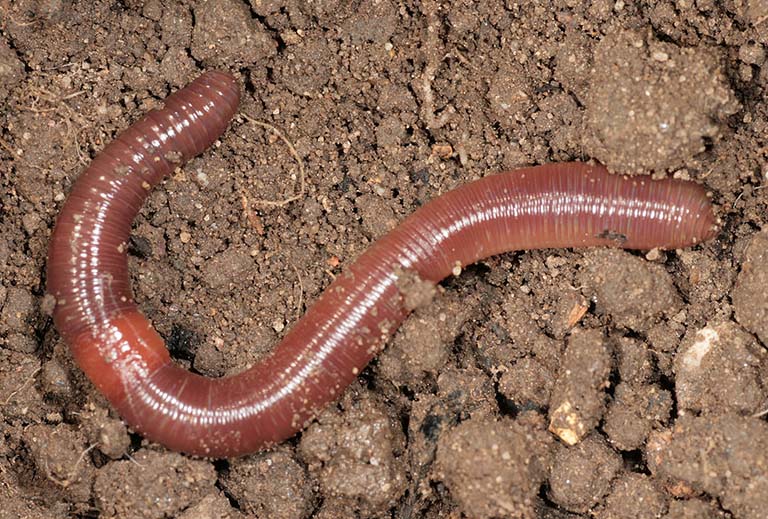
What If It Was a Blood-Feeding Species?
Even then, there is no reason to imagine the worst.
Blood-feeding leeches are adapted to finding hosts in environments where they naturally live.
They don't normally invade houses looking for people.
An accidental encounter doesn't mean your home is infested.
And seeing one doesn't mean there are dozens more hiding behind your toilet.
That kind of assumption can turn a strange but manageable situation into unnecessary anxiety.