If someone is concerned about diabetes, a healthcare professional can assess risk factors and recommend appropriate testing, such as fasting blood glucose or HbA1c.
The same principle applies to heart health, cholesterol and blood pressure. These are measured through relevant clinical assessments, not inferred from breast appearance.
10. Can smaller breasts mean low estrogen?
This is one of the most persistent myths surrounding breast size.
Because estrogen contributes to breast development, some people assume that smaller breasts must indicate low estrogen. But this conclusion overlooks the many other factors involved in breast anatomy.
A woman can have small breasts and normal estrogen levels. Her breast size may reflect inherited characteristics, the amount of fatty tissue in the breasts, the sensitivity of breast cells to hormones or her natural body proportions.
Low estrogen can occur in certain medical situations, such as premature ovarian insufficiency, some stages of the menopausal transition, or conditions that affect the function of the ovaries or the brain's hormonal control system.
But low estrogen is not diagnosed by breast size.
Depending on the underlying cause, symptoms may include irregular or absent menstrual periods, hot flashes, night sweats, vaginal dryness, reduced sexual desire or difficulties with fertility. Some women may also experience changes in bone health over time.
A clinician may consider these symptoms alongside medical history and, when appropriate, laboratory tests.
It is important not to confuse naturally small breasts with a medical condition. A woman who has always had a smaller chest and regular menstrual cycles does not automatically need hormone testing or breast-enlargement products.
The question should be whether there are other signs of a hormonal problem—not whether her breasts match a particular appearance.
11. Can larger breasts mean higher estrogen?
The reverse belief is also unreliable.
Larger breasts do not prove that a woman has high estrogen. Breast volume may be influenced by fat distribution, genetics and tissue structure even when hormone levels are within the normal range.
Some medical conditions can cause changes in breast tissue, but breast size alone cannot identify them.
For example, breast enlargement or tenderness may occur with certain medicines, hormonal changes, pregnancy or weight gain. In some situations, persistent or unusual changes may need investigation.
But a naturally larger breast size is not evidence of excessive estrogen.
High estrogen is also not a single diagnosis with one simple set of symptoms. Hormone levels vary naturally according to age, menstrual cycle stage, pregnancy status, medication use and other factors.
If a woman has symptoms such as abnormal bleeding, persistent menstrual irregularity or other changes that concern her, a clinician can decide whether hormone testing or further evaluation is appropriate.
It is not useful to try to estimate estrogen levels from bra size, breast shape or how full the breasts appear.
12. Why breast size is not a measure of fertility
Another harmful misconception is that breast size can reveal a woman's ability to become pregnant.
Breasts are involved in reproductive physiology, but their external size does not provide a reliable measure of ovarian function, ovulation or fertility.
A woman with small breasts may ovulate regularly and become pregnant without difficulty. A woman with large breasts may experience infertility for reasons unrelated to breast anatomy.
Fertility depends on several factors, including the release of an egg, the health of the reproductive organs, sperm quality, age and other medical conditions.
Hormones such as follicle-stimulating hormone, luteinizing hormone, estrogen and progesterone play important roles in the reproductive cycle. Their activity cannot be judged from breast size.
If someone has irregular periods, difficulty becoming pregnant or other reproductive concerns, a medical assessment can help identify possible causes.
The important message is that a woman's breast size does not determine whether she can conceive or carry a pregnancy.
13. Why natural breast asymmetry is common
Many women assume that both breasts should be exactly the same size and shape. In reality, some degree of asymmetry is common.
One breast may be slightly larger, sit a little higher or have a different shape from the other. The nipples and areolas may also differ in size or position.
These differences can become noticeable during puberty, when breast development does not always occur at precisely the same rate on both sides.
For many women, the asymmetry remains throughout adulthood. It may become more noticeable after pregnancy, breastfeeding or weight changes.
Small differences that have been present for years are generally part of normal individual anatomy.
However, a new change in one breast deserves more attention. A breast that suddenly becomes enlarged, develops a new lump or changes shape over a short period should be assessed, especially if there are additional symptoms.
The distinction is between longstanding natural variation and a new or unexplained change.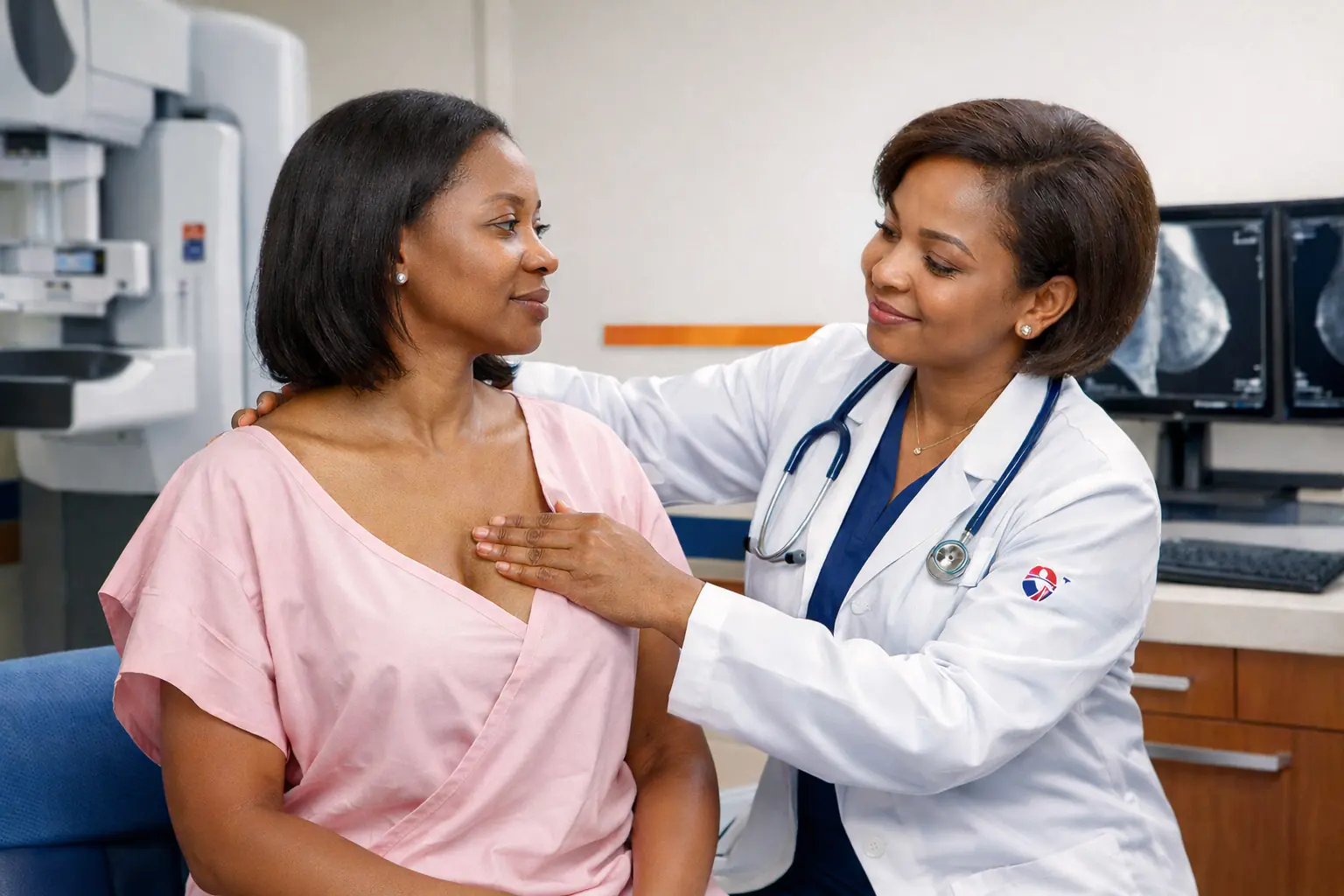
14. Can exercise make breasts larger or smaller?
Exercise can change body composition, strength and posture, but it does not directly enlarge breast glandular tissue.
Breasts sit over the chest muscles, including the pectoralis major. Exercises such as push-ups, chest presses and resistance training can strengthen these muscles.
As the muscles become stronger, the area beneath the breasts may look firmer or more developed. Improved posture can also change how the chest appears.
However, the exercises do not directly increase the amount of breast tissue.
Breast size may decrease during weight loss if a woman loses fat from her breasts. The amount of change depends on her individual fat distribution and tissue composition.
Exercise should therefore be viewed as a way to support overall health rather than as a method of changing breast size.
Regular physical activity can improve cardiovascular fitness, muscle strength, insulin sensitivity, mood and sleep. These benefits matter far more to long-term health than achieving a particular appearance.
Women should choose activities that are appropriate for their fitness level and medical circumstances. A supportive sports bra may improve comfort during higher-impact exercise, especially for women who experience breast movement or tenderness.
15. Can diet change breast size or balance hormones?
Nutrition plays an important role in overall health, but there is no reliable food that can selectively enlarge breast tissue or guarantee hormonal balance.
A balanced eating pattern provides the energy, protein, fats, vitamins and minerals needed for normal body functions. It can support metabolic health and help the body maintain appropriate nutritional status.
Foods containing healthy fats, such as nuts, seeds, olive oil and fish, can be part of a balanced diet. Fruits, vegetables, whole grains and protein-rich foods provide nutrients that support general wellbeing.
However, eating soy, flaxseed or other foods containing plant compounds does not reliably increase breast size.
Some foods contain phytoestrogens, plant compounds that can interact with estrogen receptors under certain conditions. Soy isoflavones are one example. Their effects are not equivalent to taking human estrogen, and eating these foods does not provide a predictable way to change breast volume.
The body also does not need a special detox diet to remove supposed hormone toxins. The liver and kidneys already perform important roles in processing and eliminating substances.
Extreme diets can create nutritional deficiencies and may disrupt menstrual function, especially when calorie intake becomes too low or weight changes occur rapidly.
The more useful goal is to maintain a sustainable eating pattern that supports energy, bone health, cardiovascular health and stable blood glucose.
16. Sage tea, maca root and other popular hormone remedies
The screenshot mentions natural remedies such as sage tea and maca root. These products are often promoted online as ways to balance hormones, improve femininity or change breast size.
The scientific evidence is much more limited than many advertisements suggest.
Sage has been studied for several possible uses, including menopausal symptoms, but research findings do not establish that sage tea can reliably regulate estrogen or enlarge breasts.