A woman can have large breasts with a relatively high proportion of fatty tissue. Another can have smaller breasts with denser tissue.
Density is generally assessed through mammography, not by looking at the breasts.
This distinction matters because dense breast tissue can make some abnormalities more difficult to identify on mammograms. Higher breast density is also recognized as an independent risk factor for breast cancer.
But that does not mean that large breasts automatically carry a higher cancer risk, or that small breasts are protected.
Breast cancer risk is influenced by a range of factors, including age, family history, inherited genetic changes, reproductive history, alcohol use, certain hormone exposures and other health factors.
A woman should follow screening guidance appropriate to her age and personal risk, regardless of her breast size.
23. The most important difference: normal variation versus a new change
The central message of breast health is not that every woman should have the same measurements. It is that each person should understand what is normal for her.
A woman whose breasts have always been small, symmetrical or slightly different in size may simply have a natural body pattern.
A woman whose breasts become temporarily fuller before menstruation may be experiencing ordinary hormonal changes.
A woman who notices changes during pregnancy, breastfeeding or menopause may be experiencing normal life-stage transitions.
But a new lump, unexplained one-sided enlargement, nipple discharge or persistent skin change deserves medical attention.
This difference is more useful than trying to interpret breast size as a sign of hormonal balance.
The body communicates through many signals, and no single physical feature can provide a complete picture. Menstrual patterns, energy, sleep, metabolic measurements, reproductive symptoms and medical history all provide more meaningful information when assessing health.
Women should feel comfortable discussing breast changes with a healthcare professional without embarrassment. These concerns are common, and medical teams are accustomed to evaluating them.
24. The bottom line: health is about more than appearance
Breast size is shaped by genetics, hormones, age, body composition and life experiences. It can change during the menstrual cycle, pregnancy, breastfeeding, weight fluctuations and menopause.
Hormones are an important part of the story, but breast size cannot reveal whether estrogen or progesterone levels are normal. Small breasts do not automatically mean low estrogen, and large breasts do not prove high estrogen or poor metabolic health.
Research exploring links between breast size, body weight and certain conditions should also be interpreted carefully. Associations do not establish that breast size causes disease. More meaningful health indicators include blood glucose, blood pressure, cholesterol, menstrual patterns and symptoms assessed in the appropriate clinical context.
The most valuable steps are straightforward: eat a balanced diet, stay physically active, get enough sleep, avoid unproven hormone remedies and seek medical advice when unusual symptoms appear.
Most importantly, women should not judge their health or femininity by breast size. Every body is different, and natural variation is normal.
A healthy body is not defined by a cup size. It is defined by how well the body functions, how concerns are addressed and how consistently a person is supported in caring for her health.
25. How hormonal birth control can affect breast size
Hormonal contraception can cause temporary breast changes in some women, although the effect varies considerably.
Combined oral contraceptive pills contain synthetic versions of estrogen and progestogen. Other methods, including some implants, injections and hormonal intrauterine devices, use different forms of progestogen.
Some women notice breast tenderness or fullness after starting a hormonal contraceptive. Others experience no noticeable breast changes. These effects may settle as the body adjusts, but they can vary according to the method and the individual.
A change in breast size while using contraception does not automatically indicate that hormone levels are unhealthy. It may reflect the body's response to the medication, temporary fluid changes or other factors.
Women should not choose a contraceptive method based on the expectation that it will enlarge or reduce their breasts. The main considerations should be contraceptive effectiveness, medical suitability, possible side effects and personal preferences.
If breast pain is persistent, severe or accompanied by a lump or other unusual change, it should be assessed rather than automatically blamed on contraception.
Anyone considering stopping or changing a prescribed contraceptive should discuss alternatives with a healthcare professional, especially if pregnancy prevention is important.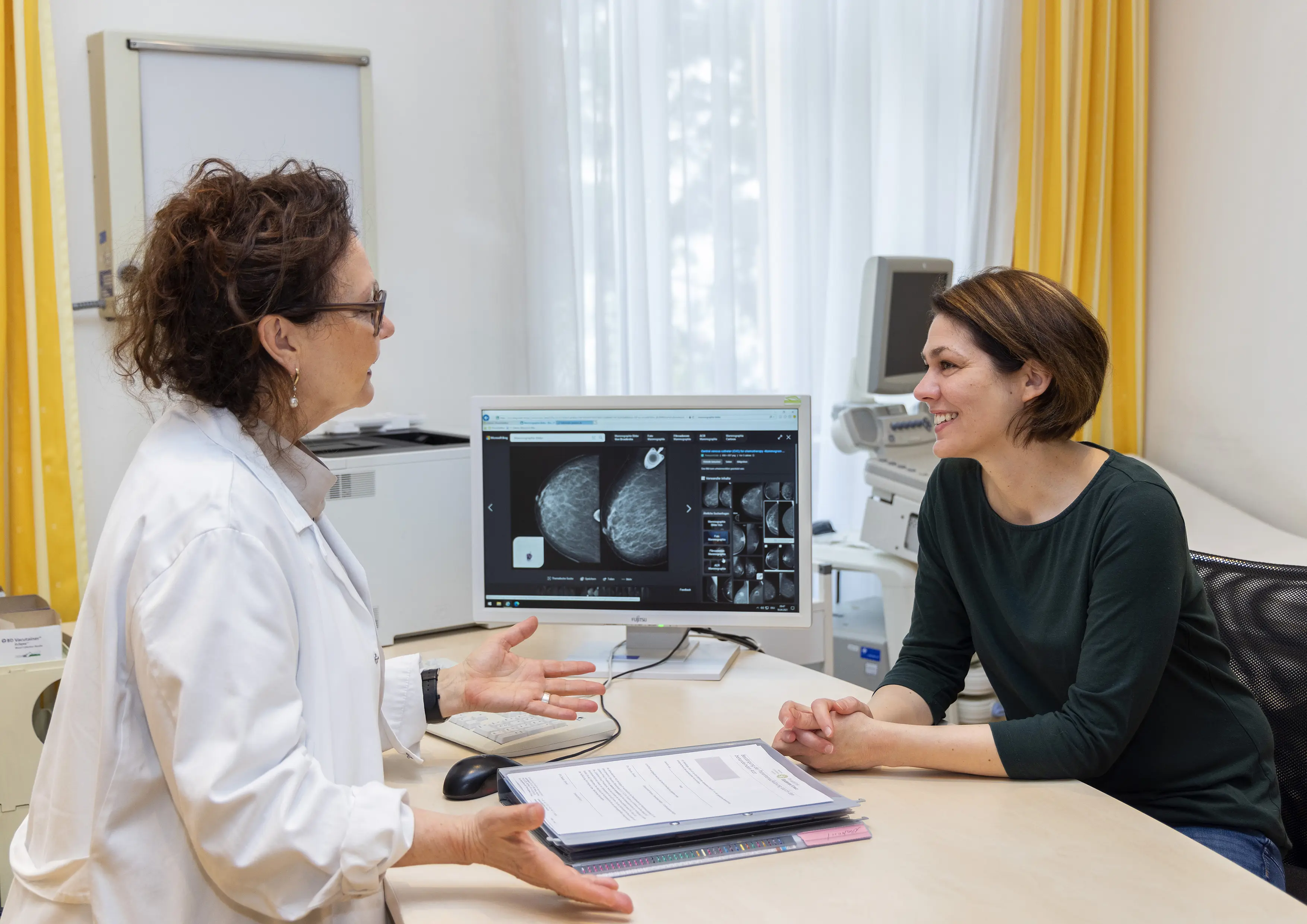
26. Medicines and medical conditions can also change breast appearance
Not all breast changes are caused by natural hormone fluctuations. Certain medicines and medical conditions can influence breast tissue, tenderness or size.
Some hormonal treatments may cause temporary fullness or tenderness. Other medicines can affect prolactin, a hormone involved in milk production, and may sometimes contribute to unexpected nipple discharge or breast changes.
Thyroid disorders and other endocrine conditions can also affect menstrual patterns, weight, energy and reproductive function. However, breast size alone cannot identify these conditions.
In men and boys, hormonal changes can sometimes cause enlargement of breast glandular tissue, a condition known as gynecomastia. It may occur during puberty or later in life and can also be associated with certain medicines or health conditions.
The important point is to consider the full medical picture. If a woman notices a new change after starting a medicine, she should discuss it with the prescribing clinician rather than stopping treatment independently.
A clinician can review the timing, the medicine involved and any other symptoms to decide whether a change is likely to be medication-related or needs further investigation.
27. Breast discomfort: when it is related to the cycle and when it needs attention
Breast pain is common and can occur for several reasons. Some women experience tenderness before menstruation, while others notice discomfort associated with pregnancy, breastfeeding, physical activity or an ill-fitting bra.
Cyclical breast pain is often linked to menstrual hormone changes. It may affect both breasts and feel like heaviness, aching or tenderness. It commonly becomes more noticeable before a period and improves afterwards.
Non-cyclical breast pain does not follow the same predictable pattern. It may be related to injury, muscle strain, infection, cysts or other conditions. Pain can also originate from the chest wall rather than the breast itself.
A supportive, correctly fitted bra may help some women, particularly during exercise. Gentle adjustments to activity and suitable pain relief may also be useful, depending on a person's medical circumstances.
However, pain should not be ignored if it is persistent, new or accompanied by other changes. A lump, nipple discharge, skin dimpling, redness or swelling should be discussed with a healthcare professional. A breast that becomes hot and swollen, especially with fever or feeling unwell, may need prompt assessment.
Pain alone is not usually a sign of breast cancer, but persistent or unusual symptoms deserve attention.
28. A healthier way to think about breast size
The most useful conclusion is also the simplest: breast size is a normal area of human variation, not a scorecard for health.
A woman does not need to increase her breast size to prove that her hormones are working properly. She does not need to reduce it to avoid a health condition. And she should not assume that another woman's body provides a standard against which her own should be measured.
When health concerns arise, the right questions are more specific. Are menstrual cycles regular? Are there symptoms that suggest a hormonal condition? Has breast appearance changed unexpectedly? Are there metabolic risk factors that need assessment? Is there a family history that affects screening recommendations?
Those questions can lead to useful medical advice. Guessing from appearance cannot.
Women deserve information that respects both scientific evidence and natural body diversity. Breast health is worth paying attention to, but it should not become a source of unnecessary fear or shame.