Prominent, bulging veins can look alarming at first glance. You might notice them on the hands, arms, legs, or feet—especially when the skin is thin or after exercise. In many cases, visible veins are completely harmless. But sometimes, they can be your body’s way of asking for attention. If someone around you has noticeably raised veins, it’s worth sharing a few important reminders that could protect their health.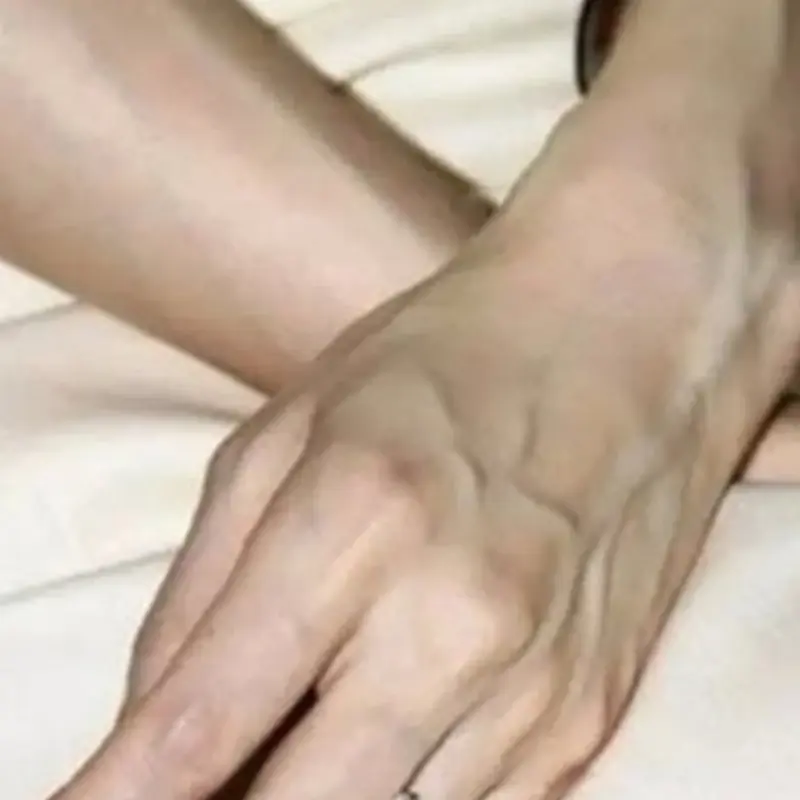
Why Veins Become More Visible
Veins sit close to the skin’s surface, and several everyday factors can make them stand out more than usual:
-
Low body fat: With less fat under the skin, veins are easier to see.
-
Aging: As people get older, skin becomes thinner and veins may appear more prominent.
-
Exercise or heat: Physical activity and warm temperatures widen blood vessels, making veins pop out temporarily.
-
Genetics: Some people naturally have more visible veins, even if they’re healthy.
When veins appear without pain, swelling, or sudden change, it’s often normal. Still, there are situations where bulging veins deserve extra caution.
When Prominent Veins May Be a Warning Sign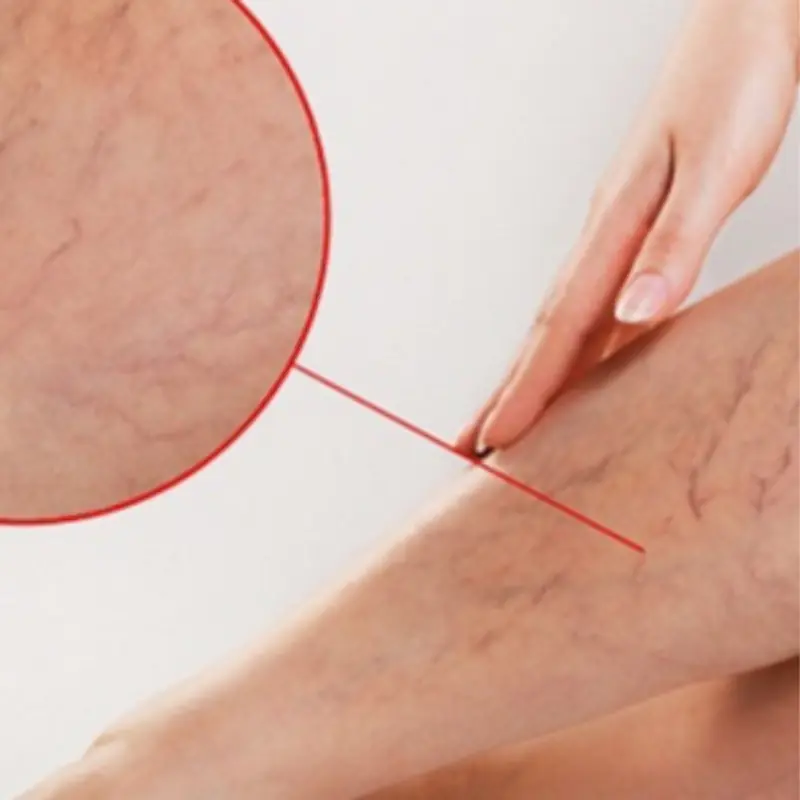
Prominent veins become more concerning when they show up with additional symptoms. Encourage someone to be cautious if they notice:
-
Swelling in the legs, ankles, or hands
-
Pain, heaviness, throbbing, or burning
-
Skin discoloration (brown, red, or dark patches)
-
Itching, dryness, or ulcers near the veins
-
Sudden appearance of a hard, tender vein
-
One-sided changes (only one leg or arm becomes swollen)
These signs can point to issues such as poor circulation, varicose veins, inflammation, or in rare cases, a blood clot that needs urgent medical attention.
What You Should Tell Someone With Bulging Veins
If someone has prominent veins, here are practical tips that are safe, helpful, and easy to follow:
1) Don’t Panic—But Don’t Ignore Changes
Visible veins alone aren’t always dangerous. However, a sudden change or pain should never be dismissed.
2) Watch for “Red Flag” Symptoms
Tell them to seek medical care immediately if they have:
-
Severe swelling or pain
-
Warmth and redness over a vein
-
Shortness of breath or chest pain
These could signal a serious clot.
3) Move More, Sit Less
Long periods of sitting or standing can worsen circulation. Suggest:
-
Short walks every hour
-
Ankle rotations and calf raises
-
Stretching breaks during work
4) Elevate Legs When Possible
If veins are prominent in the legs, raising the feet above heart level for 15–20 minutes can reduce pressure and swelling.
5) Consider Compression Socks
For people who stand a lot or have leg discomfort, compression socks may support blood flow and reduce vein strain. They should pick the right size and ask a healthcare professional if unsure.
6) Stay Hydrated and Maintain a Balanced Diet
Dehydration and high-salt meals can increase fluid retention, making swelling and vein visibility worse. Encourage:
-
Drinking enough water
-
Eating fiber-rich foods
-
Reducing excess salt
Common Conditions Linked to Bulging Veins
Varicose Veins
Twisted, enlarged veins—usually in the legs—often caused by weak vein valves. They may lead to discomfort and swelling.
Chronic Venous Insufficiency
When veins struggle to send blood back to the heart, symptoms can include heaviness, ankle swelling, and skin changes.
Superficial Thrombophlebitis
Inflammation in a vein near the skin’s surface, causing redness and tenderness.
Deep Vein Thrombosis (DVT)
A clot in a deeper vein, often with swelling and pain. This is a medical emergency because it can travel to the lungs.
When to See a Doctor
Encourage a check-up if prominent veins come with:
-
Ongoing swelling or pain
-
Sudden appearance of bulging veins
-
Skin changes or wounds that heal slowly
-
A history of clots, smoking, or hormone therapy
-
Pregnancy-related vein problems that worsen