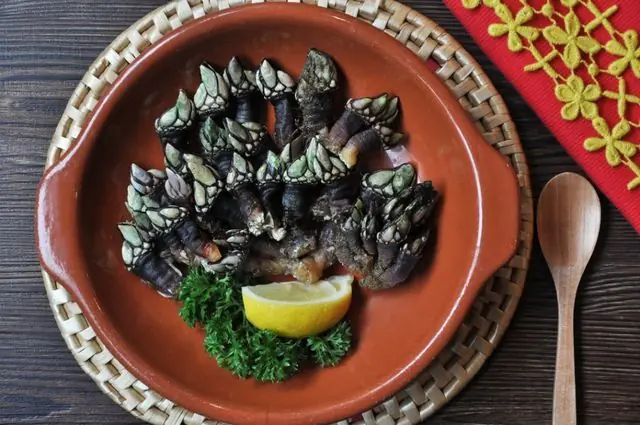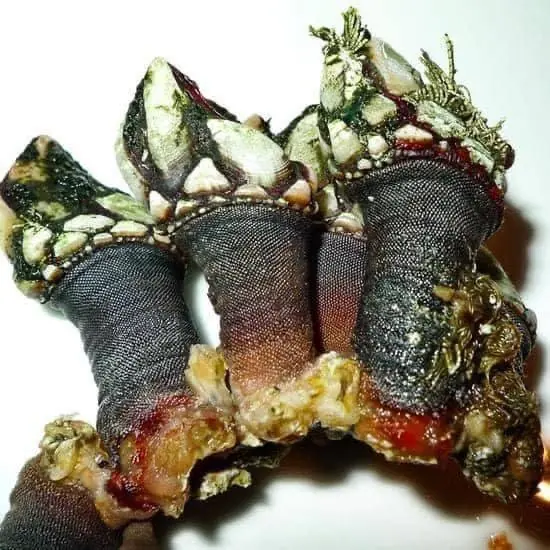
It may not look very appealing, often compared to the 'fingers of the devil' or 'the fingers of death,' but goose barnacles are a high-value delicacy.
Goose barnacles, with the scientific name Pollicipes pollicipes, are crustaceans that use their tentacles to cling to hard surfaces along the coast, such as rocks, tree trunks, and boats. Despite their small size, they have the ability to bore into hard materials, even large rocks.
Though not visually attractive and likened to "the fingers of the devil" or "the fingers of death," goose barnacles have a unique flavor, a mix of clam and shrimp, making them a delightful gourmet treat. Enjoying goose barnacles is considered a luxurious culinary experience, especially popular among diners in Spain and Portugal.
Goose barnacles only live in their natural environment in the open sea and cannot be farmed, which drives their price up. Due to their high demand and value, fishermen along the coasts where goose barnacles thrive exploit them extensively, despite the difficulties in harvesting them.
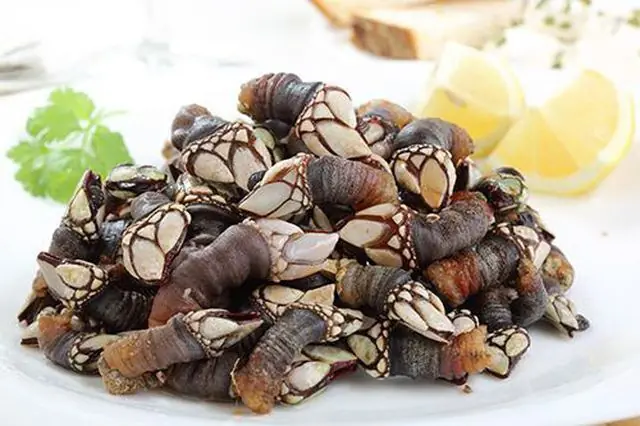
In Spain, goose barnacles are prepared simply by gently boiling them in saltwater, then quickly chilled on ice. Despite their strange appearance resembling long black fingers, the focus is on the tender meat underneath the claw-like shell. Diners can enjoy the soft, sweet flesh of goose barnacles, which resembles the taste of lobster or king crab. It can be savored with melted butter or eaten plain to fully appreciate its original fresh flavor.
The high demand for this delicacy in Spain and Portugal has led to overfishing. Due to its rarity and high price, diners are willing to pay up to 100 Euros for a plate of goose barnacles at dinners and special events.