⚠️ Phlegm Doesn’t Appear by Chance: Here’s What Your Body May Be Trying to Tell You
Phlegm is something most people experience from time to time, especially during a cold or seasonal allergy. But when it becomes frequent, excessive, or changes in color and texture, it may be your body’s way of signaling that something deeper is going on.
Phlegm is a thick type of mucus produced by the respiratory system. Its job is actually important — it helps trap dust, bacteria, viruses, and other harmful particles before they reach the lungs. However, when the body starts producing too much of it, there is usually a reason behind it.
Here are some of the most common causes of persistent phlegm: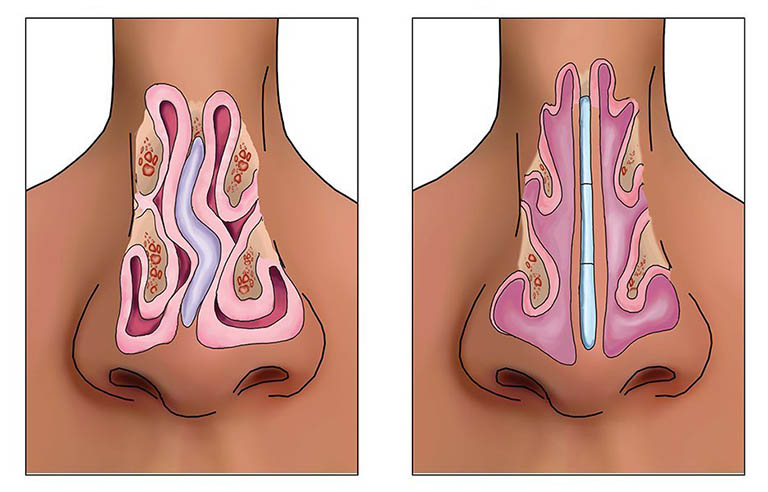
- Respiratory Infections
Colds, flu, bronchitis, sinus infections, and pneumonia can all trigger excess mucus production. During an infection, the body increases mucus to help remove germs from the airways. - Allergies
Dust, pollen, pet dander, and mold may irritate the respiratory tract and cause ongoing mucus buildup, especially in the throat and sinuses. - Smoking
Smoking irritates the lungs and airways, often leading to chronic phlegm production. Many smokers experience a persistent cough accompanied by thick mucus. - Acid Reflux
Stomach acid moving upward into the throat can irritate the airways and increase mucus production. Some people notice constant throat clearing or a sensation of mucus stuck in the throat. - Asthma or Chronic Lung Conditions
Conditions such as asthma or chronic obstructive pulmonary disease (COPD) may cause excess mucus along with coughing, wheezing, or shortness of breath. - Dehydration
Not drinking enough water can make mucus thicker and harder for the body to clear naturally.
What the Color of Phlegm May Suggest
• Clear: Often linked to allergies or mild irritation
• Yellow or green: May occur during infections
• White: Can appear with congestion or inflammation
• Brown or black: Sometimes linked to smoking or pollution exposure
• Red or bloody: Should always be evaluated by a healthcare professional
When Should You Be Concerned?
You should seek medical attention if phlegm:
• Lasts for several weeks
• Contains blood
• Is accompanied by chest pain or breathing difficulty
• Comes with fever or unexplained weight loss
How to Help Reduce Excess Phlegm
• Stay hydrated
• Avoid smoking and secondhand smoke
• Use a humidifier if the air is dry
• Limit exposure to allergens
• Rest and support your immune system during illness
The Bottom Line
Phlegm is not always a problem, but persistent or unusual mucus production should not be ignored. In many cases, it’s simply your body responding to irritation, infection, or inflammation — but sometimes it may point to a more serious underlying issue.
Listening to these signals early may help you protect your respiratory health before problems become more severe.