The swelling may develop gradually and can affect an arm, leg, or another part of the body, depending on which lymphatic structures are involved.
Some people notice heaviness, tightness, reduced movement, or a feeling that the affected limb is larger than usual. The skin may become firmer or thicker over time.
Lymphedema is particularly relevant for people who have undergone cancer treatment involving lymph nodes in the pelvis or groin. It may also occur after treatment for certain cancers affecting the reproductive organs or lymphatic system.
3. Swelling After Cancer Treatment: A Problem That May Appear Later
A person does not necessarily need to have active cancer for swelling to be related to a previous cancer diagnosis.
Some people develop lymphedema months or even years after surgery or radiation treatment.
This can happen because the lymphatic system may have been permanently affected by the removal of lymph nodes, scarring, or damage to lymphatic vessels.
For example, a person treated for a cancer involving lymph nodes in the groin may later notice swelling in one leg. Someone who has undergone surgery or radiation affecting other lymphatic pathways may experience swelling in a different part of the body.
The timing can be confusing. A patient may have completed treatment, returned to ordinary activities, and assumed that the most difficult part of the illness is over. Then a gradual change in limb size appears.
This is one reason people who have undergone cancer treatment are often advised to report new swelling rather than assuming it is an ordinary consequence of aging or inactivity.
What Lymphedema Can Feel Like
The first symptom is not always dramatic swelling.
Some people initially notice that the affected leg feels heavy, full, or tight. Shoes may become uncomfortable, or the skin may feel stretched.
Other possible signs include:
-
Swelling in one leg or part of a leg.
-
A feeling of heaviness or fullness.
-
Reduced flexibility or difficulty moving the affected limb.
-
Skin that becomes firmer or thicker.
-
Repeated skin infections.
-
A noticeable difference in the size of the two legs.
In early stages, swelling may fluctuate and sometimes improve after resting. Over time, it can become more persistent.
The condition can affect everyday activities, including walking, exercising, choosing footwear, and standing for long periods.
Early assessment is valuable because treatment can help control symptoms and reduce the risk of complications.
Why Skin Care Becomes Important
When fluid remains in tissues for a long time, the skin may become stretched, irritated, or more vulnerable to infection.
Small cuts, scratches, insect bites, and cracks between the toes can create opportunities for bacteria to enter.
A person with lymphedema should therefore pay attention to skin hygiene and seek medical advice if the affected area becomes increasingly red, hot, painful, or swollen.
Fever or chills accompanying a red, painful swollen area may indicate cellulitis, a skin infection that needs prompt treatment.
The goal is not simply to make the leg look less swollen. It is to protect the affected tissue and maintain the person's ability to move comfortably.
4. One Swollen Leg or Two? The Difference Can Matter
The pattern of swelling can help a healthcare professional decide what to investigate.
It does not provide a diagnosis by itself, but whether one leg or both legs are affected is an important part of the medical history.
Swelling in One Leg
Swelling that appears mainly in one leg may be associated with:
-
Deep vein thrombosis, or DVT.
-
A local injury or infection.
-
A problem with the veins in that leg.
-
Lymphedema.
-
A blockage affecting blood or lymphatic drainage.
One-sided swelling that develops suddenly is particularly important.
Deep vein thrombosis occurs when a blood clot forms in a deep vein, commonly in the lower leg, thigh, or pelvis. The affected leg may become swollen, painful, tender, warm, or discolored.
Some people have relatively mild symptoms, and occasionally swelling may be the most noticeable sign.
DVT is dangerous because part of the clot can break away and travel to the lungs, causing a pulmonary embolism.
Swelling in Both Legs
Swelling affecting both legs may be associated with:
-
Heart failure.
-
Kidney disease.
-
Liver disease.
-
Chronic venous insufficiency.
-
Certain medications.
-
Prolonged sitting or standing.
-
Lymphedema affecting both limbs.
Some people experience swelling that is similar on both sides, while others notice one leg is more affected than the other.
The presence of swelling in both legs does not automatically mean that the problem is less serious. For example, fluid retention related to heart or kidney disease may affect both legs and may require medical treatment.
The important question is what is causing the fluid to accumulate.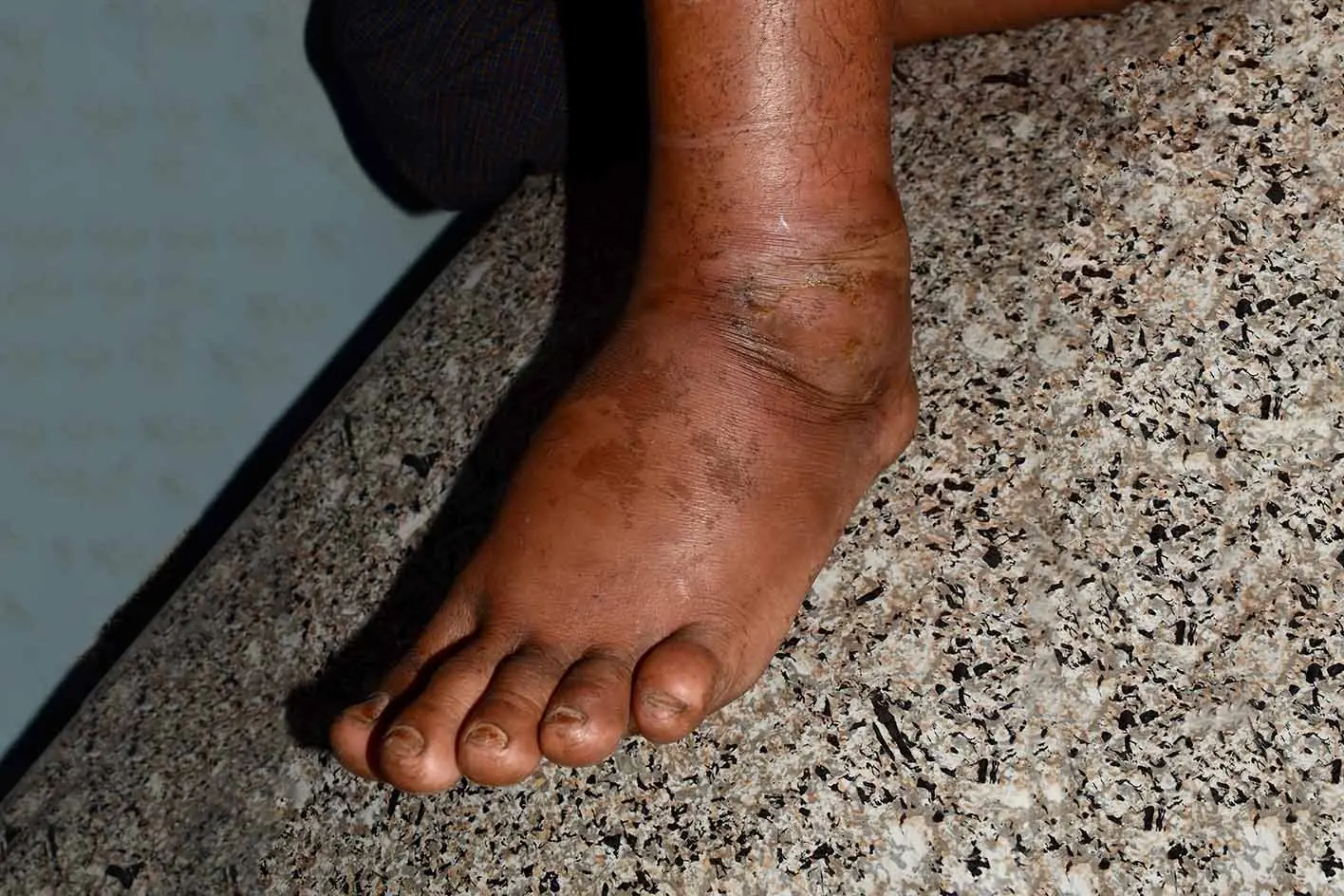
Sudden Swelling Versus Gradual Swelling
The speed at which swelling develops is another important clue.
Sudden swelling may occur with a blood clot, infection, injury, or acute changes in circulation.
Gradual swelling may be associated with chronic venous disease, lymphedema, medication effects, or longer-term heart, kidney, or liver problems.
However, these patterns overlap. A gradual change does not rule out a serious condition, and sudden swelling should not be assumed to be harmless simply because there is no severe pain.
If one leg becomes suddenly swollen, especially with pain, warmth, redness, or tenderness, urgent medical assessment is important.
5. Other Common Causes of Swollen Legs That Are Not Cancer
Because cancer is one possible explanation for edema, it often receives attention in alarming social media posts. Yet many other conditions are more common and should be considered first.
Understanding these alternatives can help prevent unnecessary fear while also reminding people that swelling should not be ignored simply because cancer is unlikely.
Chronic Venous Insufficiency
One of the common causes of persistent lower-leg swelling is chronic venous insufficiency.
The veins in the legs contain small valves that help blood move upward toward the heart. These valves are important because blood must travel against gravity when a person is standing.
If the valves become weak or damaged, blood can flow backward and collect in the lower legs. Pressure inside the veins rises, allowing fluid to move into surrounding tissues.
This may cause swelling around the ankles, especially after standing or sitting for long periods.
Other possible signs include:
-
Aching or heaviness in the lower legs.
-
Visible varicose veins.
-
Itching around the ankles.
-
Skin discoloration, particularly near the lower calves.
-
Skin that becomes dry, irritated, or thickened.
-
Swelling that improves after elevating the legs.
Venous insufficiency can develop gradually and become more noticeable over time. It is not the same as cancer, but untreated circulation problems can affect skin health and daily comfort.