That appearance may be consistent with fluid accumulation, but a photograph cannot establish why it happened.
The skin may provide clues about the nature and duration of swelling, although these clues must be interpreted alongside other findings.
Pitting Edema
One common type of swelling is called pitting edema.
If a healthcare professional presses gently on the swollen area, a temporary indentation may remain after the finger is removed.
This happens because fluid has accumulated in the tissues and can be displaced by pressure.
Pitting edema may occur with heart failure, kidney disease, venous insufficiency, certain medications, and other conditions.
The presence of a dent does not identify the cause.
Non-Pitting Swelling
In some forms of swelling, pressing on the skin does not leave an obvious indentation.
Lymphedema can become non-pitting as the condition progresses and tissue changes develop. Some other conditions can also produce non-pitting swelling.
This distinction can help a clinician assess the problem, but it is not a home diagnostic test.
Shiny or Stretched Skin
When fluid accumulates, the skin may appear stretched or shiny.
Shoes and socks may become uncomfortable, and the affected area may feel tight.
If swelling continues over time, the skin can become more vulnerable to irritation and infection.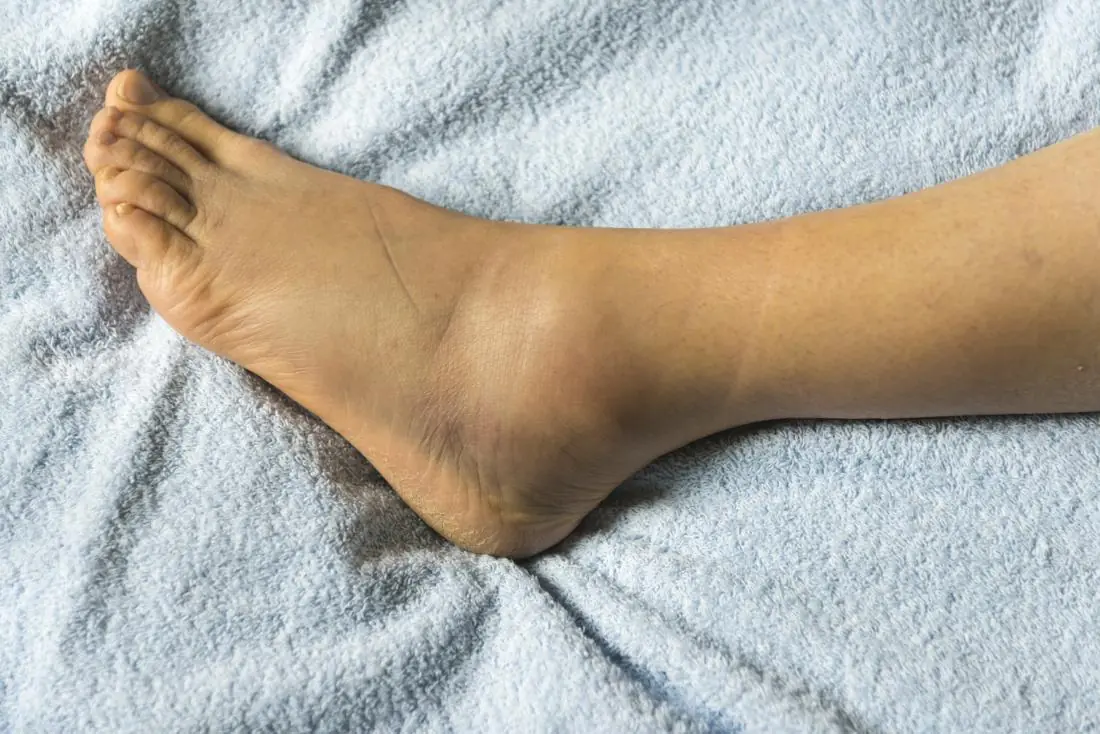
Redness and Warmth
A swollen area that becomes red, hot, or painful needs careful assessment.
These changes may occur with infection, inflammation, a blood clot, or other conditions.
Redness accompanied by fever, chills, or rapidly worsening pain can be particularly concerning.
Darkening or Thickening of the Skin
Long-term venous problems may cause discoloration around the lower legs and ankles. The skin may become darker, itchy, dry, or thickened.
Long-standing lymphedema can also cause skin changes.
These changes do not automatically indicate cancer. They may reflect chronic problems with circulation or lymphatic drainage.
A clinician can examine the skin and determine whether additional tests are needed.
8. Other Symptoms That May Accompany Swollen Legs
Swelling becomes more informative when it is considered alongside other changes in the body.
For example, ankle swelling accompanied by breathlessness may suggest a different problem from ankle swelling that appears after a long day of standing.
The following combinations deserve attention.
Swelling With Unexplained Weight Gain
A sudden increase in body weight may sometimes reflect fluid accumulation rather than an increase in body fat.
People with heart or kidney conditions may retain fluid, causing weight to rise over a relatively short period.
If weight increases rapidly alongside swelling, a healthcare professional should assess the situation.
Swelling With Abdominal Enlargement
Fluid can accumulate in the abdomen as well as the legs.
This is called ascites.
It can occur in advanced liver disease, some cancers, and certain other medical conditions.
A person may notice that their abdomen becomes larger, clothing feels tighter around the waist, or they develop discomfort and reduced appetite.
Abdominal swelling should not be assumed to be ordinary weight gain, particularly when it develops without an obvious explanation.
Swelling With Unusual Fatigue
Persistent fatigue can occur with heart, kidney, liver, and other chronic illnesses.
It may also result from anemia, poor sleep, medication effects, or many unrelated conditions.
When fatigue appears together with persistent swelling, it is worth arranging a medical assessment rather than treating each symptom separately.
Swelling With Changes in Urination
A noticeable reduction in urine output, repeated nighttime urination, or other urinary changes may be relevant when evaluating kidney function.
However, these symptoms have many possible explanations.
A clinician may recommend blood and urine tests to determine whether the kidneys are contributing to fluid retention.
Swelling With Pelvic or Abdominal Discomfort
Persistent abdominal or pelvic discomfort accompanied by unexplained swelling may warrant further investigation.
Certain masses or conditions affecting veins and lymphatic vessels in the abdomen or pelvis can interfere with fluid drainage.
This does not mean that every person with abdominal discomfort and swollen ankles has cancer. It means that a clinician should consider the full pattern rather than focusing only on the visible swelling.
Swelling With Fever
Fever, chills, redness, warmth, and tenderness around a swollen limb may indicate an infection.
Cellulitis is an infection involving the skin and underlying tissues. It can spread and become serious if not treated appropriately.
People with lymphedema may be particularly vulnerable to repeated skin infections.
Prompt medical advice is important when these symptoms occur together.
9. How Doctors Find the Cause of Swollen Legs
The correct treatment depends on the reason fluid is accumulating. A doctor will usually begin by asking when the swelling started, whether one or both legs are affected, and whether anything makes it better or worse.
The examination may include checking the skin, comparing the size of both legs, assessing tenderness and temperature, and looking for signs of circulation problems.
The doctor may also ask about recent travel, surgery, medication changes, cancer treatment, pregnancy, and previous blood clots.
Medical History and Physical Examination
The pattern of swelling can provide useful information.
For example, swelling that becomes worse after standing and improves overnight may suggest a circulation problem. Sudden swelling in one leg may raise concern about DVT. Persistent swelling after lymph-node surgery may suggest lymphedema.
These patterns guide the investigation, but none is conclusive by itself.
Ultrasound Scans
Ultrasound is commonly used to assess blood flow in the veins and investigate possible DVT.
It can also help identify certain circulation problems and evaluate structures around the swollen area.
If a doctor suspects that a mass or obstruction in the abdomen or pelvis is affecting blood flow, additional imaging may be recommended.
Blood Tests
Blood tests may help evaluate kidney function, liver function, electrolyte balance, and other aspects of health.
Depending on the symptoms, a clinician may also check blood counts, protein levels, or markers associated with heart problems.
No single blood test can identify every cause of leg swelling.
Heart and Kidney Assessments
If heart failure is suspected, the doctor may recommend an electrocardiogram, echocardiogram, chest imaging, or other investigations.
If kidney disease is suspected, blood tests measuring creatinine and estimated glomerular filtration rate may be used. Urine tests can check for protein or blood.
These examinations help determine whether the swelling is related to a problem elsewhere in the body.
Cancer-Related Investigations
If the medical history or examination raises concern about cancer, the doctor may recommend imaging or other investigations based on the suspected location and symptoms.
The type of testing depends on the clinical picture. A swollen ankle alone does not justify assuming that cancer is present or ordering every available cancer test.
The goal is to investigate a reasonable possibility, not to create unnecessary fear.