If Your Tongue Is White, This Could Be What Your Body Is Telling You: 7 Possible Causes You Should Know
You look in the mirror one morning, stick out your tongue, and notice something unusual: instead of its familiar pink color, the surface appears covered by a white coating. Perhaps it looks slightly fuzzy. Maybe there are thick patches that do not disappear when you brush your teeth. Or perhaps the change has been there for days, and you are beginning to wonder whether it means something is wrong with your health.
It is easy to dismiss a white tongue as a minor hygiene problem. In many cases, that is exactly what it is. A temporary coating can develop when bacteria, food debris, and dead cells collect between the tiny bumps on the tongue. Dry mouth, dehydration, smoking, and inadequate oral cleaning can all make this buildup more noticeable.
But there is another side to the story.
Certain infections and oral conditions can also produce white patches or changes in the tongue's appearance. Some are easily treated, while others need a professional examination because they can persist, cause discomfort, or occasionally indicate a more serious problem.
The important point is that a white tongue is not a diagnosis by itself. Its appearance, texture, duration, associated symptoms, and the person's medical history all matter. Understanding those differences can help you decide whether better daily care may be enough—or whether it is time to speak with a dentist or doctor.
The seven possible causes below explain what may be happening, what clues to look for, and when a change in the mouth deserves attention.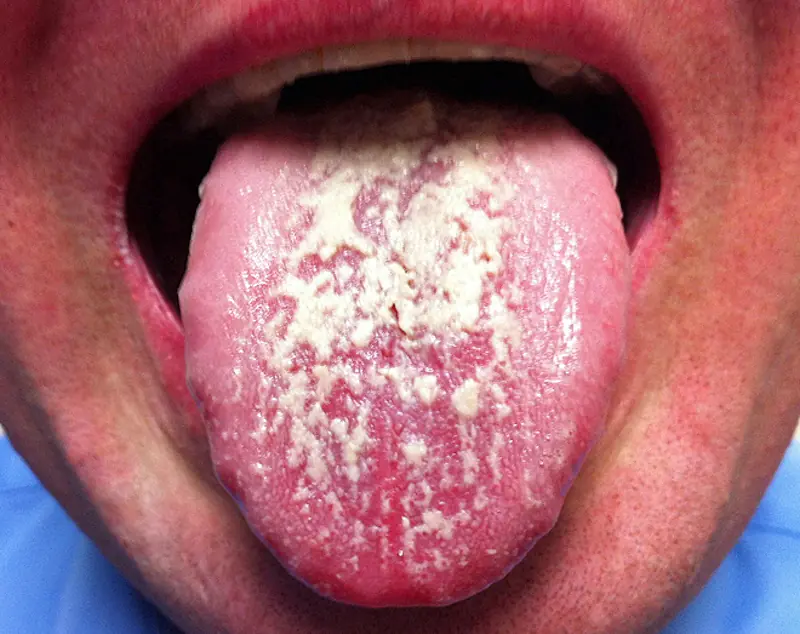
Why Does the Tongue Sometimes Turn White?
A healthy tongue is usually pink, although its exact shade varies from person to person. Its upper surface is not smooth. It contains numerous small projections called papillae, which help with taste and contribute to the tongue's texture.
Between these tiny structures, small amounts of food debris, microorganisms, and shed cells can collect. Saliva normally helps wash much of this material away. When the mouth becomes dry or the normal balance of microorganisms changes, the coating can become more visible.
This is why a white tongue is sometimes most noticeable after waking up. Saliva production generally decreases during sleep, allowing material to accumulate on the tongue's surface overnight. A thin coating that improves after drinking water, brushing, or gently cleaning the tongue is often less concerning than a persistent, thick, or irregular patch.
However, not every white appearance is the same. A general coating across much of the tongue is different from a sharply defined patch. A creamy layer that wipes away and leaves a tender surface is different from a firm white area that remains attached. These distinctions can help a healthcare professional narrow down the possibilities.
The following conditions are among the explanations worth knowing.
1. Oral Thrush: When Yeast Grows Too Much in the Mouth
One possible cause of white patches is oral thrush, also known as oral candidiasis. It is a fungal infection associated with an overgrowth of Candida, a type of yeast that can normally live in the mouth without causing problems.
Under certain circumstances, the balance of microorganisms changes and Candida multiplies. This can lead to creamy, white patches on the tongue and sometimes on the inner cheeks, gums, roof of the mouth, or throat.
The patches may resemble small areas of milk curd or a thick white coating. They can sometimes be wiped away, revealing a red, irritated surface underneath. Some people experience soreness, a cotton-like feeling in the mouth, altered taste, or discomfort while eating and swallowing.
Oral thrush is more likely in certain situations. People who have recently taken antibiotics may be at greater risk because these medicines can reduce some of the bacteria that normally help keep yeast growth under control. Inhaled corticosteroids used for asthma and other respiratory conditions can also increase the risk, particularly when a person does not rinse their mouth after using the inhaler.
Other risk factors include dentures, dry mouth, diabetes that is not well controlled, cancer treatment, and conditions or medicines that weaken the immune system.
This does not mean that everyone with a white tongue has a fungal infection. A simple coating caused by dryness or debris can look similar. A dentist or doctor may need to examine the mouth to determine whether thrush is present.
When oral thrush is confirmed, treatment usually involves an antifungal medicine. The specific medication and duration depend on the person's age, health, severity of symptoms, and other medicines they may be taking. It is not a good idea to use leftover antifungal medication or assume that every white patch should be treated as thrush.
People who wear dentures should also discuss proper cleaning and fit with their dental professional. Dentures that are not cleaned adequately or that irritate the mouth can contribute to recurring problems.
A particularly important point is that persistent or painful oral thrush in an adult may deserve a broader health review, especially if there are other symptoms or known immune-system concerns. The infection itself is treatable, but a clinician may want to identify why it developed.
2. Dehydration and Dry Mouth: When There Is Not Enough Saliva
A white coating can sometimes appear simply because the mouth is too dry.
Saliva does much more than help people chew and swallow. It also washes food particles away, helps control the number of microorganisms in the mouth, protects oral tissues, and keeps the tongue comfortable. When saliva production falls, debris can collect more easily between the papillae, making the surface look pale or coated.
Dehydration is one possible reason. It may occur after a day of sweating, exercise, fever, vomiting, diarrhea, or simply not drinking enough fluids. Some people notice a dry or sticky feeling in the mouth, thirst, darker urine, or a dry sensation on the tongue and lips.
However, dehydration is not the only explanation for dry mouth. Certain medicines can reduce saliva production, including some treatments for allergies, depression, anxiety, high blood pressure, and other conditions. People who breathe through their mouths, especially during sleep, may also wake up with a dry tongue and unpleasant breath.
The coating associated with dry mouth is often more widespread than a single isolated patch. It may improve after drinking water and restoring normal moisture, although the improvement is not always immediate.