The image's discussion of weakened vein valves is relevant to understanding venous disease, but it should not be used to suggest that every prominent hand vein is caused by valve failure. The location, symptoms, and clinical findings matter.
People with suspected chronic venous insufficiency may be assessed through a physical examination and, when appropriate, a duplex ultrasound. This test allows clinicians to evaluate blood flow and the function of veins and valves.
Treatment depends on the individual's symptoms and the severity of the condition. It may include regular movement, leg elevation, compression garments when recommended, and medical procedures for selected cases. Compression is not suitable for everyone and should be used according to professional advice, especially when other circulation problems are present.
Varicose veins are common, but complications can occur. Persistent swelling, skin changes, ulcers, bleeding, or inflammation around a vein should be assessed by a healthcare professional.
The main point for readers is that a discussion of varicose veins can help explain venous circulation, but it should not lead to the conclusion that visible hand veins are evidence of the same condition.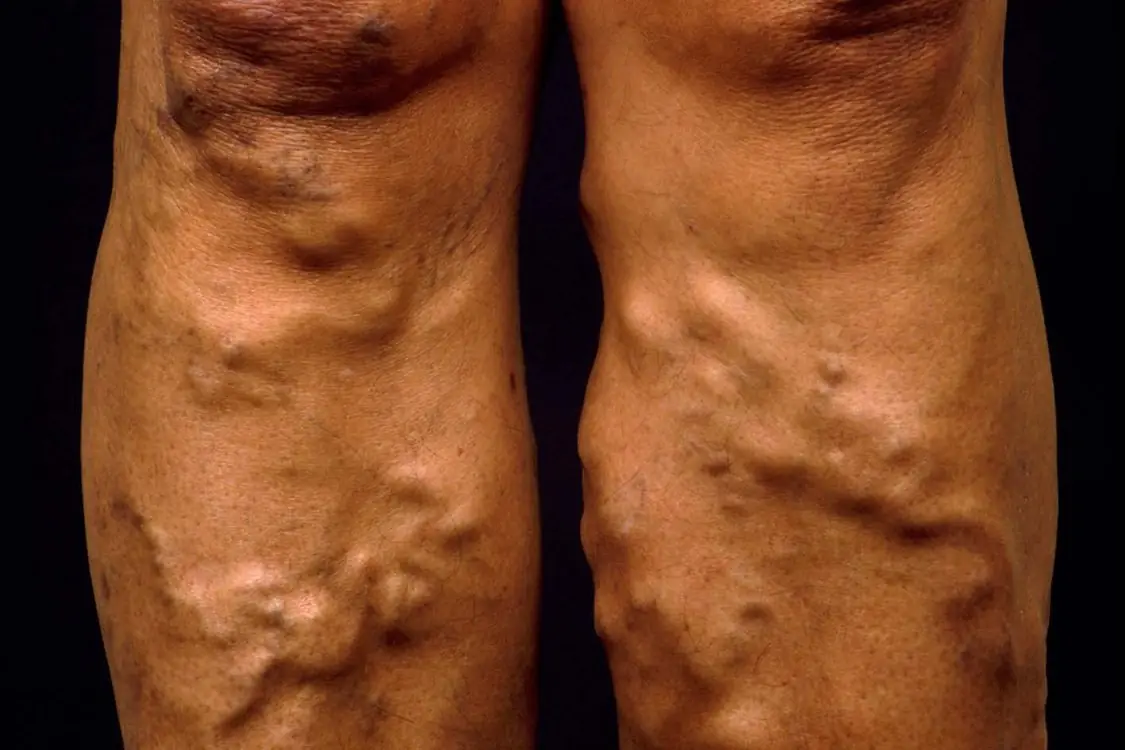
7. Blood Clots in the Arm: Symptoms That Deserve Prompt Attention
Most people associate blood clots with the legs, but deep vein thrombosis can also affect the upper extremities. A clot may develop in a deep vein in the shoulder, upper arm, or other part of the arm. Although less common than leg DVT, an arm clot can still be serious.
One possible clue is swelling that affects one arm more than the other. The arm may feel heavy, tight, or uncomfortable. Pain or tenderness may develop, and the skin may appear warmer or darker than usual. Some people notice that superficial veins become more prominent around the arm, shoulder, or chest because blood is having difficulty returning through the normal pathway.
These symptoms are not specific to DVT. An infection, injury, inflammation, or another condition may produce similar changes. That is why medical assessment is important rather than trying to identify the problem from appearance alone.
Certain circumstances can increase the risk of blood clots. These include recent surgery, prolonged immobility, some cancers, previous blood clots, inherited clotting disorders, pregnancy, and some hormone-based medications. A catheter or intravenous line can also irritate a vein and contribute to clot formation in some circumstances.
A person does not need to have every risk factor to develop a clot. Nor does having one risk factor mean that a clot is certain to occur. Risk is assessed by considering the person's history, symptoms, and clinical findings together.
If one arm suddenly becomes swollen, painful, warm, or discolored, seek urgent medical assessment. Do not wait several days to see whether the symptoms disappear, particularly if there is a known risk factor for blood clots.
The most serious complication occurs when part of a clot travels to the lungs. This is called a pulmonary embolism. Warning signs can include sudden shortness of breath, chest pain that may worsen when breathing deeply, a rapid heartbeat, coughing up blood, dizziness, or fainting. These symptoms require emergency care.
It is not safe to massage a painful, swollen arm in an attempt to make a suspected clot disappear. Do not apply tight compression or take blood-thinning medication without medical direction. The appropriate response is to obtain an assessment so that clinicians can decide whether testing and treatment are needed.
8. Superficial Thrombophlebitis: When a Vein Becomes Painful and Hard
Another condition mentioned in medical discussions of prominent veins is superficial thrombophlebitis. The name describes inflammation of a vein close to the surface of the skin, sometimes accompanied by a blood clot.
Unlike a normal visible vein, an inflamed superficial vein may become tender when touched. The skin around it may feel warm, look red or darker, and become swollen. The vein itself may feel firm, almost like a narrow cord beneath the skin.
This condition often affects the legs, particularly when varicose veins are present, but it can also occur in the arms. In the upper extremities, irritation from an intravenous line or catheter is one possible trigger.
Some cases improve over time, but the symptoms still need to be interpreted carefully. A clinician may need to determine whether the inflammation is limited to a superficial vein or whether a deeper clot is also present. This distinction matters because the risks and treatment can be different.
People should seek prompt medical advice if they notice a painful, hard, swollen vein, especially if the affected arm or leg is also swollen or warm. The need for assessment becomes more important when symptoms are worsening, spreading, or accompanied by fever or feeling generally unwell.
Treatment depends on the cause and extent of the inflammation. A healthcare professional may recommend measures to relieve discomfort or prescribe medication when appropriate. Blood-thinning treatment is not automatically required for every case; the decision depends on the location, extent, and risk of clot progression.
The key difference is that a harmless visible vein is generally not painful or inflamed. A vein that becomes newly hard, red, warm, or tender is a different situation and should not be treated as a cosmetic concern.
9. Could Visible Veins Be a Sign of a Heart Problem?
The supplied text also mentions congestive heart failure. This is a serious medical condition, but readers should not interpret visible veins on their hands as a reliable sign of heart failure.
Heart failure occurs when the heart cannot pump blood effectively enough to meet the body's needs. Depending on the type and severity, fluid may build up in the lungs or other parts of the body. Symptoms can include breathlessness, fatigue, swelling in the legs or ankles, difficulty breathing when lying flat, and reduced ability to tolerate physical activity.
In some people with significant fluid overload or elevated pressure in the venous system, neck veins may appear distended. Clinicians may examine the neck veins as one part of a broader assessment of heart function and fluid status.
That is not the same as saying that visible veins on the backs of the hands indicate heart failure. Hand veins can be prominent for many ordinary reasons, including age, skin thickness, body composition, heat, and exercise.
A person who notices visible hand veins but feels well should not conclude that their heart is failing. On the other hand, someone with breathlessness, new swelling in the legs, unusual fatigue, or difficulty lying flat should discuss those symptoms with a healthcare professional, whether or not their hand veins are visible.
Heart-related symptoms should always be considered as a group. A clinician may assess blood pressure, heart rate, oxygen levels, heart and lung sounds, and signs of fluid retention. Depending on the findings, tests may include an electrocardiogram, blood tests, chest imaging, or an echocardiogram.
The practical lesson is to avoid diagnosing a heart condition from one visible feature. A hand vein cannot provide enough information to determine how well the heart is working.
10. Dehydration and Temperature: Can They Change How Veins Look?
Hydration is frequently mentioned in discussions of visible veins, but the relationship is not as simple as many online posts suggest. A person's vein appearance can vary with fluid balance, temperature, activity, and posture. However, visible veins alone cannot diagnose dehydration.
When the body becomes dehydrated, it may produce symptoms such as thirst, a dry mouth, dark urine, reduced urination, tiredness, and dizziness. More severe dehydration can cause confusion, fainting, or other serious symptoms. These signs are more useful than trying to judge hydration by the appearance of the veins.
Heat can also change the appearance of superficial blood vessels. In warm conditions, blood vessels near the skin may widen as part of the body's temperature-control response. This can make veins appear more noticeable. After cooling down, their appearance may return closer to normal.