Cold temperatures can have the opposite effect on some superficial vessels, making them less prominent as the body conserves heat. The response varies according to the individual and the conditions.
A person who has just exercised, taken a hot shower, or spent time outdoors may therefore notice temporary changes. If the veins become less prominent after rest and cooling, and there are no other symptoms, the change may reflect a normal response.
It is still sensible to maintain adequate hydration, particularly during hot weather, illness, or exercise. But drinking excessive amounts of water is not a treatment for prominent veins, and it will not correct a clot, inflammation, or a structural vein problem.
People with medical conditions that require fluid restriction should follow their clinician's advice rather than increasing fluid intake simply because their veins look more visible.
11. What a Doctor May Check During an Examination
If a person seeks medical advice about prominent veins, the clinician will usually want to understand what has changed and whether there are accompanying symptoms.
The first questions may concern timing. Have the veins always been visible, or did they become prominent recently? Did the change happen gradually or suddenly? Does it affect one hand or both? Is there pain, swelling, warmth, redness, or a change in skin color?
The clinician may also ask about recent exercise, injury, injections, intravenous lines, surgery, travel, periods of immobility, medication use, and any previous history of blood clots. Family history can also be relevant.
A physical examination may include comparing both hands and arms, checking for swelling, feeling the affected area, and assessing skin temperature and color. The clinician may examine the neck, chest, or legs if the symptoms suggest a wider circulation problem.
If a blood clot is suspected, an ultrasound examination may be used to assess blood flow and look for a clot. In some situations, blood tests or additional imaging may be considered. The choice depends on the symptoms and the clinician's assessment.
Not everyone with visible veins needs imaging or extensive testing. If the veins are longstanding, painless, and consistent with normal anatomy, reassurance may be all that is necessary.
This is why an accurate history matters. A photograph can show that a vein is visible, but it cannot reliably establish whether blood is flowing normally, whether a clot is present, or whether the vein is inflamed.
12. When Should You Seek Medical Help?
It is helpful to separate routine changes from symptoms that need prompt or emergency attention.
Arrange a medical assessment promptly if a vein becomes newly painful, hard, warm, red, or swollen. The same applies if one hand or arm suddenly becomes larger than the other, or if the skin develops an unexplained color change.
Seek urgent evaluation if you suspect DVT, particularly when swelling and pain affect one limb. Do not wait for the symptoms to become severe.
Seek emergency care immediately if arm or leg symptoms occur with sudden shortness of breath, chest pain, coughing up blood, fainting, or severe dizziness. These may be signs of a pulmonary embolism or another serious emergency.
Other symptoms also deserve attention. A hand that becomes suddenly cold, pale, blue, numb, or weak may indicate an urgent circulation or nerve problem. Severe pain, rapidly increasing swelling, or loss of movement should not be ignored.
By contrast, veins that have gradually become more visible over many years, without pain or swelling, are often related to normal changes in skin and tissue. If there is uncertainty, a routine medical appointment can help clarify the cause.
The aim is not to make people anxious about every visible vein. It is to help them recognize the difference between a stable physical feature and a new symptom that may require investigation.
13. Can You Prevent Veins From Becoming More Visible?
Not every cause of visible veins can be prevented. Genetics, natural aging, and the structure of the skin are not things a person can completely control. However, maintaining general vascular health is worthwhile.
Regular physical activity supports circulation and overall cardiovascular health. Walking, cycling, swimming, and other activities that suit a person's fitness level can help maintain mobility and general health. People who spend long periods sitting may benefit from standing up and moving around periodically.
A balanced diet supports overall health. Eating a variety of vegetables, fruits, whole grains, legumes, and appropriate sources of protein can help support healthy blood pressure, blood sugar, and cholesterol levels. These habits do not guarantee that veins will remain invisible, nor are they a specific treatment for prominent hand veins.
Avoiding smoking is also important. Smoking damages blood vessels and increases the risk of cardiovascular disease and other health problems. People who smoke can ask a healthcare professional about practical ways to quit.
Managing conditions such as high blood pressure, diabetes, and high cholesterol can reduce the risk of complications affecting the heart and blood vessels. Regular checkups may help identify problems before symptoms become severe.
For people concerned about age-related changes in the hands, protecting the skin from excessive sun exposure may help maintain skin health. Sunscreen, protective clothing, and gentle skin care can reduce some of the effects of ultraviolet exposure. These measures will not reverse every change in the skin or eliminate visible veins.
It is important not to use unproven creams, supplements, or home remedies that promise to remove veins. A cream cannot reliably correct a structural problem inside a vein, and supplements should not be used as substitutes for medical assessment.
14. Should You Try to Hide or Remove Prominent Hand Veins?
For some people, visible hand veins are not a medical concern but a cosmetic one. They may feel that the veins make their hands look older or more prominent than they would like. This is a personal concern, and it is reasonable to ask a qualified clinician about available options.
The first step is to confirm that the veins are healthy. A clinician should assess whether the appearance is simply due to thin skin and reduced tissue beneath it or whether there is an underlying vascular problem.
Some cosmetic procedures may be considered for selected superficial veins. Depending on the situation, options may include sclerotherapy, laser-based treatments, or procedures that remove or reduce selected veins. These treatments are not appropriate for everyone, and they carry potential risks such as bruising, pigmentation changes, scarring, discomfort, or other complications.
A person should not assume that every visible vein should be treated. Superficial veins play a role in returning blood to the heart, and the vascular system has many interconnected pathways. Removing or closing a vein without proper assessment is not a harmless beauty treatment.
It is also worth considering whether treatment is necessary at all. Many people have visible veins on their hands and experience no functional problems. If the veins are healthy, doing nothing may be the safest and most reasonable choice.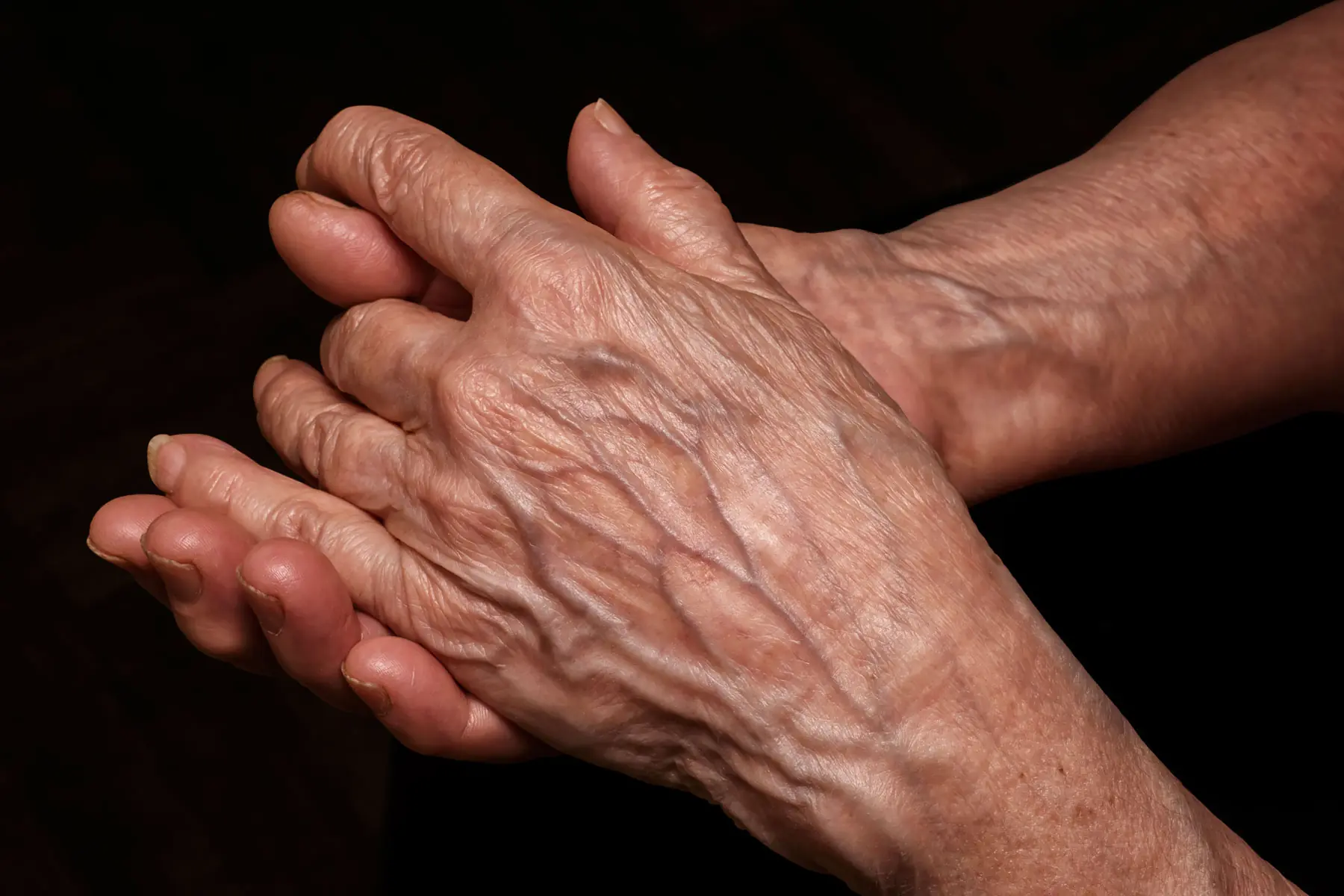
15. Common Myths About Visible Veins in the Hands
Myth 1: Visible veins always mean poor circulation.
This is not true. Veins may be visible because they sit close to the skin or because the skin and surrounding fat have become thinner. A visible vein does not automatically mean blood flow is impaired.
Myth 2: Prominent veins are proof of a blood clot.
A blood clot cannot be diagnosed by appearance alone. DVT may cause swelling, pain, warmth, and discoloration, but some people have few obvious symptoms. Medical assessment and appropriate testing are needed when a clot is suspected.
Myth 3: Only older people have visible hand veins.