We spend up to 90% of our time indoors — at home, at work, or in schools.
But here’s something surprising:
👉 Indoor air can sometimes be more polluted than outdoor air — even in cities.
Many common household items — from cleaning products to furniture — release invisible chemicals and particles into the air. Over time, these substances can irritate your lungs, trigger allergies, and even affect long-term health if used frequently in poorly ventilated areas.
While no single product is likely to cause illness on its own, certain ingredients found in everyday items have been studied for their impact on the respiratory system, especially with chronic exposure.
This guide isn’t meant to alarm you — it's here to empower you. With a few mindful adjustments, you can enjoy the comforts of home while protecting your lungs and overall well-being.
Because safety isn’t about fear —
👉 It’s about informed choices in the places where you live, breathe, and heal.
🔍 How Indoor Air Affects Your Health

Your lungs react to what you breathe in — even the things you can’t see or smell.
Common indoor air concerns include:
-
Volatile Organic Compounds (VOCs) – gases emitted from paints, cleaners, furniture, and air fresheners
-
Fine Particulate Matter (PM2.5) – tiny particles that can lodge deep in the lungs
-
Ozone – produced by some air purifiers and cleaning devices
These pollutants may contribute to:
-
Irritated eyes, nose, or throat
-
Asthma attacks
-
Headaches or fatigue
-
Increased risk of lung infections
⚠️ People with asthma, allergies, children, and the elderly are more sensitive to poor indoor air.
⚠️ 6 Common Household Items to Use More Mindfully
1. Scented Candles & Air Fresheners
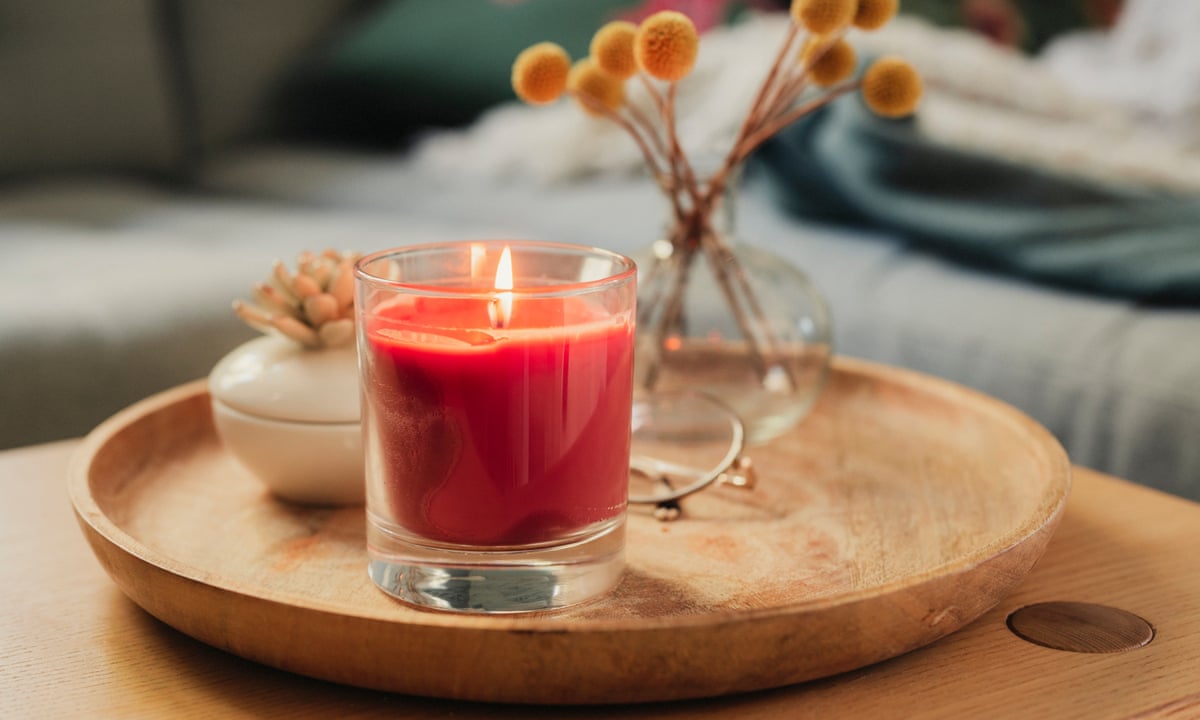
They may smell pleasant, but many release fragrance chemicals like limonene or phthalates.
When limonene reacts with indoor ozone, it can form formaldehyde, a respiratory irritant.
Burning paraffin wax (a petroleum by-product) can also emit soot and VOCs, similar to those found in car exhaust.
✅ Safer tips:
-
Choose beeswax or soy candles with cotton wicks
-
Avoid synthetic fragrances — use essential oils sparingly
-
Always ventilate the room while burning candles
-
Limit use if you or someone in the home has asthma or allergies
📌 Occasional use is likely fine — just don’t make it a daily habit in closed spaces.
2. Non-Ventilated Cleaning Products
Strong cleaners like bleach, oven sprays, or ammonia release harsh fumes that irritate lungs and eyes.
Mixing certain chemicals (e.g. bleach + vinegar) can even create toxic chlorine gas.
✅ Safer tips:
-
Opt for natural alternatives like vinegar, baking soda, or castile soap
-
Always open windows or use exhaust fans when cleaning
-
Wear gloves, and don’t inhale directly — even with milder products
-
Store cleaners safely away from children and pets
📌 Even "green" cleaners can release VOCs — read labels carefully.
3. Plug-in Air Fresheners & Automatic Sprays
These products release fragrance continuously, contributing to long-term exposure. Some contain phthalates, which have raised concerns in hormone-related studies on animals.
✅ Safer tips:
-
Use them intermittently, not constantly
-
Place them in well-ventilated rooms
-
Try activated charcoal, houseplants (like spider plants or snake plants), or HEPA purifiers for natural freshness
📌 Remember: a clean-smelling home isn’t always a clean-air home.
4. Pressed Wood Furniture & Particleboard
Often used in desks, shelves, and cabinetry, these materials can emit formaldehyde — especially when new or low-quality.
✅ Safer tips:
-
Look for furniture labeled CARB Phase 2 or TSCA Title VI compliant — both ensure low formaldehyde emissions
-
Let new furniture off-gas in the garage or a sunny room before bringing it inside
-
Improve airflow in newly remodeled or furnished rooms
-
Consider solid wood options if budget allows — they last longer and emit fewer chemicals
📌 Even the glue and varnish used on furniture can impact air quality — ventilation helps.
5. Gas Stoves
Gas stoves release nitrogen dioxide (NO₂), carbon monoxide, and fine particles — all of which can contribute to asthma symptoms, especially in children.
✅ Safer tips:
-
Always cook with the range hood on, vented outdoors if possible
-
Open a window during and after cooking
-
Avoid using the stove to heat your home
-
Consider electric or induction cooktops for a cleaner alternative
📌 Even short-term cooking without ventilation can spike indoor pollution.
6. Old Carpets & Dust Traps
Carpets — especially older ones — trap dust, pet dander, mold spores, and chemical residues from past spills or treatments.
Vacuuming without a HEPA filter can actually release these back into the air.
✅ Safer tips:
-
Vacuum weekly with a HEPA-filter vacuum
-
Remove shoes indoors to limit tracked-in dirt and toxins
-
Consider replacing old carpets with hard floors or low-pile rugs
-
Use a dehumidifier in damp areas to prevent mold
📌 Soft furnishings can act as both comfort and pollution sources — balance is key.
✅ How to Improve Indoor Air Quality — Simple Daily Habits
You don’t need expensive gadgets to make a big difference.
Try these practical steps:
-
Open windows daily — even 5–10 minutes helps flush out stale air
-
Use exhaust fans in kitchens and bathrooms — especially while cooking or showering
-
Keep humidity between 30–50% — too much encourages mold; too little dries airways
-
Ban smoking indoors — secondhand smoke is a serious health risk
-
Test for radon — an invisible gas and leading cause of lung cancer in non-smokers
🩺 Radon test kits are affordable and widely available at hardware stores.
❌ Debunking Common Myths
Let’s clear up a few misconceptions:
-
❌ “Candles cause lung cancer”
➤ Not true — moderate, occasional use is low-risk -
❌ “All fragrances are toxic”
➤ Not all — it depends on the type and how often you’re exposed -
❌ “You need an air purifier in every room”
➤ Helpful for allergy-prone individuals, but not essential everywhere -
❌ “Only dirty homes have bad air”
➤ Clean homes can still have VOCs from paint, furniture, or flooring
💬 Final Thoughts
You don’t have to throw out everything in your home to protect your lungs.
Just be mindful of what you use, how often, and how well your space breathes.
So next time you light a candle, spray a cleaner, or buy new furniture —
pause.
Ask yourself:
✨ “Is this necessary?”
✨ “Can I ventilate the room?”
✨ “Is there a safer or more natural option?”
Because true wellness isn’t about living in fear —
It’s about balance, awareness, and taking care of the air you breathe…
One breath at a time.
And that kind of peace?
It starts right where you are — at home. 🏡💙