-
Kale.
-
Spinach.
-
Collard greens.
-
Swiss chard.
-
Broccoli.
-
Brussels sprouts.
-
Certain herbs.
A person taking warfarin needs to consider their overall vitamin K intake rather than focusing exclusively on lettuce.
What should people taking warfarin do?
There are several practical steps:
-
Do not suddenly begin eating very large amounts of lettuce or other leafy greens.
-
Do not completely eliminate vegetables containing vitamin K without medical advice.
-
Maintain a relatively consistent dietary pattern.
-
Inform the healthcare provider about major changes in eating habits.
-
Follow the recommended INR testing schedule.
-
Ask a pharmacist or anticoagulation clinic how to manage changes in diet.
It is also important to understand that not all blood thinners interact with vitamin K in the same way.
Warfarin is a vitamin K antagonist. Other anticoagulants, including apixaban, rivaroxaban, dabigatran, and edoxaban, work through different mechanisms. They do not generally require the same vitamin K dietary consistency precautions.
Nevertheless, people taking any anticoagulant should follow their healthcare professional's advice and avoid making major dietary or supplement changes without checking first.
Lettuce can still be part of a healthy diet for many people taking warfarin. The important thing is to avoid sudden, dramatic changes in vitamin K consumption.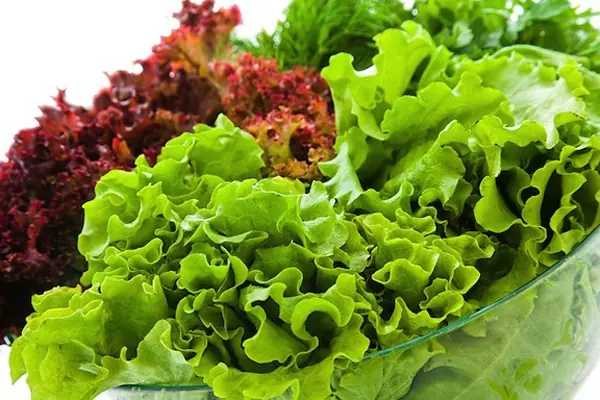
Chapter 4: People With Sensitive Digestive Systems or Certain Gastrointestinal Conditions
The fourth group includes people who experience digestive discomfort after eating raw vegetables or who have certain gastrointestinal conditions.
Lettuce is often considered a light food because it contains relatively few calories and a high proportion of water. However, that does not mean everyone digests it comfortably.
For some individuals, raw lettuce can contribute to bloating, abdominal discomfort, or changes in bowel movements.
The reasons vary depending on the person's digestive system and the amount of lettuce consumed.
Why raw lettuce may cause digestive discomfort
One important factor is fiber.
Lettuce contains dietary fiber, although its fiber content is generally modest compared with vegetables such as broccoli, beans, and artichokes.
Fiber supports digestive health by contributing to stool formation and helping maintain regular bowel movements. However, increasing fiber intake too quickly can cause gas, bloating, or abdominal discomfort in some people.
Raw vegetables also require chewing and mechanical breakdown. People who have difficulty chewing or swallowing, delayed stomach emptying, or certain digestive disorders may find raw leafy vegetables harder to tolerate.
Large salads can be particularly uncomfortable because they may contain several ingredients that contribute to digestive symptoms.
For example, a salad containing lettuce, onions, beans, cabbage, creamy dressing, and large amounts of raw vegetables may trigger bloating in someone with a sensitive digestive system.
In that situation, lettuce may not be the only cause.
People with irritable bowel syndrome (IBS)
Irritable bowel syndrome is a common digestive disorder that can cause abdominal pain, bloating, diarrhea, constipation, or alternating bowel habits.
Some people with IBS tolerate lettuce very well. Others experience discomfort after eating large amounts of raw vegetables.
Lettuce is generally considered a low-FODMAP food in typical portions, meaning it is often compatible with a low-FODMAP diet. However, individual tolerance can vary, and other ingredients in a salad may be more problematic.
For example, onions and garlic are high in certain fermentable carbohydrates that can trigger symptoms in some people with IBS.
High-fat dressings may also worsen symptoms for some individuals.
People with IBS can try smaller portions of lettuce, chew thoroughly, and pay attention to the ingredients served alongside it.
If symptoms repeatedly occur, keeping a food and symptom diary may help identify patterns.
People with inflammatory bowel disease
People with Crohn's disease or ulcerative colitis may also need to adjust their intake of raw vegetables depending on their symptoms and disease activity.
During periods of active inflammation, some individuals find that raw leafy vegetables worsen diarrhea, urgency, cramping, or abdominal discomfort.
For certain people with Crohn's disease, particularly those with intestinal narrowing or strictures, high-fiber foods may increase the risk of obstructive symptoms.
However, this does not mean everyone with inflammatory bowel disease should avoid lettuce permanently.
Dietary tolerance varies considerably. Some people can eat small amounts of tender lettuce without problems, while others may need to avoid raw vegetables during a flare.
A gastroenterologist or registered dietitian can help determine which foods are appropriate during different stages of the condition.
People with gastroparesis or difficulty swallowing
Gastroparesis is a condition in which the stomach empties more slowly than normal. People with this disorder may experience early fullness, nausea, bloating, vomiting, and abdominal discomfort.
Raw, fibrous vegetables can be difficult for some people with gastroparesis to tolerate, particularly in large portions.
People with swallowing difficulties may also struggle with leafy vegetables because lettuce can be difficult to chew into a consistent texture.
In these situations, cooked, softened, or finely prepared vegetables may be easier to manage, depending on the individual's medical recommendations.
How can sensitive eaters enjoy lettuce more comfortably?
A few simple adjustments may help:
-
Start with a small portion rather than a large bowl.
-
Chew slowly and thoroughly.
-
Choose tender leaves instead of tough or mature leaves.
-
Avoid combining too many potentially troublesome ingredients in one meal.
-
Try cooked vegetables if raw lettuce consistently causes discomfort.
-
Track symptoms to identify individual triggers.