Do not leave prepared salads at room temperature for more than two hours. If the surrounding temperature is above 90°F (32°C), such as during hot outdoor conditions, the safe limit is one hour.
If lettuce has been left out longer than these limits, discard it rather than relying on its appearance or smell.
For packaged lettuce, follow the manufacturer's storage instructions and use the product within the recommended period.
Chapter 7: Common Mistakes People Make When Eating Lettuce
Even people who eat lettuce regularly may unknowingly make mistakes that increase food-safety risks or reduce the nutritional quality of their meals.
Understanding these habits can make a meaningful difference.
Mistake 1: Assuming washing removes every harmful bacterium
Washing lettuce under running water is an important safety step, but it does not sterilize the leaves.
Some microorganisms may remain attached to the surface or become trapped in damaged areas.
This is why proper sourcing, refrigeration, clean preparation surfaces, and avoiding cross-contamination are just as important as washing.
Mistake 2: Believing organic lettuce cannot be contaminated
Organic farming does not eliminate the possibility of bacterial contamination.
Organic produce can still come into contact with contaminated water, soil, animal waste, or improperly handled equipment.
Both organic and conventionally grown lettuce should be washed and handled carefully.
Mistake 3: Leaving salad on the table for hours
A bowl of lettuce may seem harmless because it is mostly water. However, once it is prepared and exposed to room temperature, bacteria may multiply depending on the conditions and ingredients.
This is especially concerning when the salad also contains eggs, meat, seafood, cheese, or creamy dressing.
Refrigerate leftovers promptly and discard salads that have remained unrefrigerated beyond recommended limits.
Mistake 4: Eating large portions despite digestive discomfort
More vegetables are not always better when someone has a digestive condition that limits their tolerance.
A person with IBS, gastroparesis, or active inflammatory bowel disease may experience discomfort after eating a very large raw salad.
Starting with a smaller portion and adjusting according to individual tolerance is often more practical.
Mistake 5: Suddenly changing vitamin K intake while taking warfarin
Some people begin eating large quantities of leafy greens after deciding to improve their diet.
Although this is generally a positive dietary change, it can affect warfarin management if vitamin K intake changes significantly.
Anyone taking warfarin should discuss major dietary changes with their healthcare provider and continue INR monitoring as advised.
Chapter 8: Should You Eat Lettuce Every Day?
For most healthy people, eating lettuce every day is perfectly reasonable.
There is no universal requirement to eat lettuce daily, however. The body benefits from variety, and no single vegetable provides every nutrient needed for good health.
A better approach is to rotate different vegetables throughout the week.
For example:
-
Lettuce for water, fiber, vitamin K, and carotenoids.
-
Broccoli for vitamin C, fiber, and other plant compounds.
-
Carrots for beta-carotene.
-
Tomatoes for vitamin C and lycopene.
-
Spinach for folate, vitamin K, and other micronutrients.
-
Bell peppers for vitamin C and colorful plant compounds.
Eating a variety of vegetables helps broaden the range of nutrients and plant compounds in the diet.
It also makes meals more interesting and may help people maintain healthy eating habits over time.
If lettuce is well tolerated, it can be included in sandwiches, salads, wraps, and side dishes. Pairing it with protein sources such as eggs, fish, chicken, beans, or tofu can also make a meal more satisfying.
The goal should not be to eat as much lettuce as possible. It should be to build a balanced diet that includes a wide variety of foods.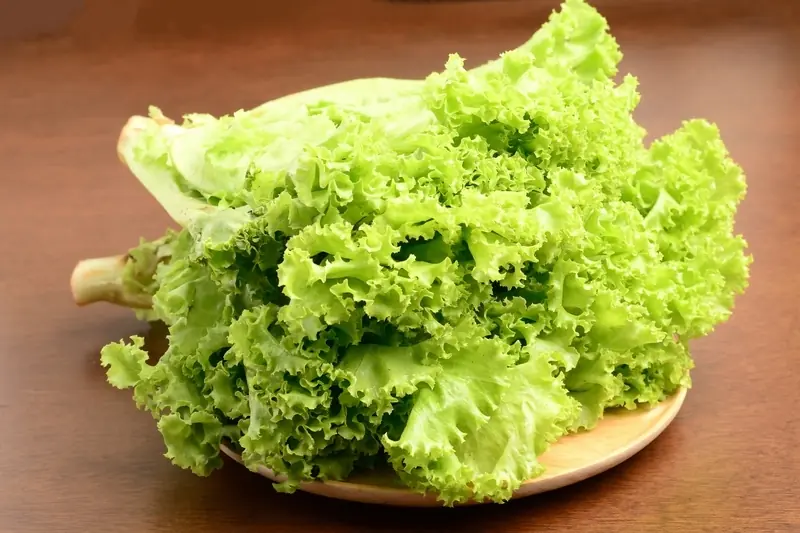
Final Thoughts: A Healthy Vegetable That Still Requires Common Sense
Lettuce is a nutritious, low-calorie vegetable that can contribute to hydration, fiber intake, and overall dietary quality. For most people, it is safe to enjoy regularly when it is properly selected, washed, prepared, and stored.
However, four groups should pay particular attention:
-
People with weakened immune systems, because foodborne infections may cause more serious complications.
-
Pregnant women, because certain foodborne infections, particularly listeriosis, can pose risks to the developing baby.
-
People taking warfarin, because sudden changes in vitamin K intake can affect medication control.
-
People with sensitive digestive systems or certain gastrointestinal conditions, because raw lettuce may worsen symptoms in some individuals.
These precautions do not mean lettuce is dangerous or that everyone in these groups must avoid it. In many cases, the right preparation methods, portion sizes, and medical guidance are enough to make it part of a healthy eating pattern.
The most important lesson is to understand your own health needs rather than assuming that every healthy food is suitable for everyone in exactly the same way.
A balanced diet is not about following food trends or eliminating vegetables unnecessarily. It is about choosing foods that support your health, preparing them safely, and making adjustments when your body or medical circumstances require them.
Lettuce can absolutely have a place on your plate. Just make sure you know how to enjoy it safely.