Sprouted foods have become increasingly popular among health-conscious consumers, and for good reason. Sprouting is a natural process in which seeds, grains, or legumes begin to germinate, activating enzymes and changing their nutritional composition. This process can increase the availability of certain vitamins, improve the digestibility of some nutrients, and reduce naturally occurring compounds that may interfere with mineral absorption.
Although sprouted foods are not miracle foods, research suggests they can be a nutritious addition to a balanced diet. Like all foods, they should be consumed as part of an overall healthy eating pattern rather than relied upon as a cure for disease.
Let's explore three popular sprouted foods, their potential nutritional benefits, and how to enjoy them safely.
What Are Sprouted Foods?
Sprouted foods begin as:
-
Seeds
-
Grains
-
Beans
-
Legumes
When soaked in water and exposed to the right temperature and moisture, they begin to germinate, producing small shoots.
During this process:
-
Enzymes become active.
-
Some starches begin breaking down.
-
Certain vitamins may increase.
-
Levels of phytic acid may decrease.
These changes can improve the availability of some nutrients.
Why Are Sprouted Foods Popular?
People often choose sprouted foods because they may:
-
Provide beneficial nutrients
-
Offer dietary fiber
-
Support healthy digestion
-
Add texture and flavor to meals
-
Increase dietary variety
However, sprouted foods are only one part of a healthy diet that should also include fruits, vegetables, whole grains, lean proteins, and healthy fats.
1. Sprouted Broccoli
Sprouted broccoli, often called broccoli sprouts, is harvested just a few days after germination.
Although tiny, these sprouts contain naturally occurring plant compounds known as glucosinolates, which can be converted into sulforaphane.
Potential Benefits
Research suggests sulforaphane may have antioxidant properties and may help support the body's natural defense systems against oxidative stress.
Scientists continue to study its potential role in:
-
Cellular health
-
Inflammation
-
Detoxification pathways
However, more human research is needed, and broccoli sprouts should not be viewed as a treatment for any disease.
How to Enjoy Them
Broccoli sprouts can be added to:
-
Sandwiches
-
Salads
-
Wraps
-
Grain bowls
If you are at higher risk for foodborne illness, lightly cooking sprouts may reduce the risk of bacterial contamination.
2. Sprouted Lentils
Lentils are already highly nutritious, but sprouting may further improve their nutritional profile.
Sprouted lentils provide:
-
Plant protein
-
Dietary fiber
-
Iron
-
Folate
-
Magnesium
-
Potassium
Potential Benefits
Sprouting may:
-
Improve the digestibility of lentils.
-
Reduce phytic acid, which can improve the absorption of certain minerals.
-
Increase some antioxidant compounds.
These changes may make sprouted lentils an appealing option for many people following plant-based diets.
Ways to Use Sprouted Lentils
Try them in:
-
Salads
-
Soups
-
Stir-fries
-
Grain bowls
-
Vegetable dishes
Cooking sprouted lentils also helps improve food safety.
3. Sprouted Mung Beans
Mung bean sprouts are widely used in many Asian cuisines.
They provide:
-
Vitamin C
-
Folate
-
Fiber
-
Potassium
-
Small amounts of protein
They have a crisp texture and mild flavor.
Potential Benefits
Mung bean sprouts may support:
-
Healthy digestion
-
Normal immune function
-
Overall nutritional intake
Like other vegetables, they contribute vitamins, minerals, and hydration while remaining relatively low in calories.
Popular Ways to Eat Them
They are commonly added to:
-
Stir-fries
-
Soups
-
Noodle dishes
-
Spring rolls
-
Salads
Cooking them thoroughly reduces the risk of foodborne illness.
How Sprouting Changes Nutrition
During germination, several nutritional changes may occur.
These include:
Increased Vitamin Content
Some studies suggest sprouting may increase levels of certain vitamins, including:
-
Vitamin C
-
Some B vitamins
The exact amount varies depending on the food and sprouting conditions.
Reduced Phytic Acid
Phytic acid naturally occurs in many grains and legumes.
It can reduce the absorption of minerals such as:
-
Iron
-
Zinc
-
Calcium
Sprouting may lower phytic acid levels, making these minerals more available.
Improved Digestibility
The sprouting process activates enzymes that begin breaking down complex carbohydrates and proteins.
Some people find sprouted foods easier to digest than their unsprouted counterparts.
Are Sprouted Foods Safe?
While sprouted foods can be nutritious, they also require careful handling.
Warm, moist conditions used for sprouting can also encourage the growth of harmful bacteria such as:
-
Salmonella
-
Escherichia coli (E. coli)
Even commercially produced sprouts have occasionally been linked to foodborne illness outbreaks.
Who Should Be Extra Careful?
The following groups should be particularly cautious with raw sprouts:
-
Pregnant women
-
Older adults
-
Young children
-
People with weakened immune systems
Cooking sprouts thoroughly greatly reduces the risk of bacterial contamination.
Tips for Buying and Storing Sprouts
Choose sprouts that:
-
Look fresh and crisp
-
Are free from unpleasant odors
-
Are refrigerated
Store them:
-
In the refrigerator
-
According to package instructions
-
Away from raw meat and poultry
Discard sprouts that become slimy or develop an unpleasant smell.
Healthy Ways to Include Sprouted Foods
Sprouted foods can easily become part of a balanced diet.
Try adding them to:
-
Green salads
-
Sandwiches
-
Omelets
-
Grain bowls
-
Vegetable soups
-
Stir-fries
-
Wraps
Variety remains one of the most important principles of healthy eating.
Common Myths About Sprouted Foods
Myth 1: Sprouted Foods Cure Disease
False.
No food can cure chronic diseases on its own.
Sprouted foods contribute nutrients but should not replace medical treatment.
Myth 2: More Sprouts Are Always Better
False.
A balanced diet includes many different nutritious foods.
Eating extremely large amounts of any one food is unlikely to provide additional health benefits.
Myth 3: Raw Sprouts Are Always Safe
False.
Raw sprouts have been associated with outbreaks of foodborne illness.
People at increased risk should consider eating cooked sprouts instead.
Tips for Getting the Most Nutrition
To maximize the nutritional value of your meals:
-
Eat a wide variety of vegetables.
-
Include whole grains and legumes.
-
Choose lean protein sources.
-
Stay physically active.
-
Drink enough water.
-
Limit highly processed foods and added sugars.
Sprouted foods can complement these healthy habits but should not replace them.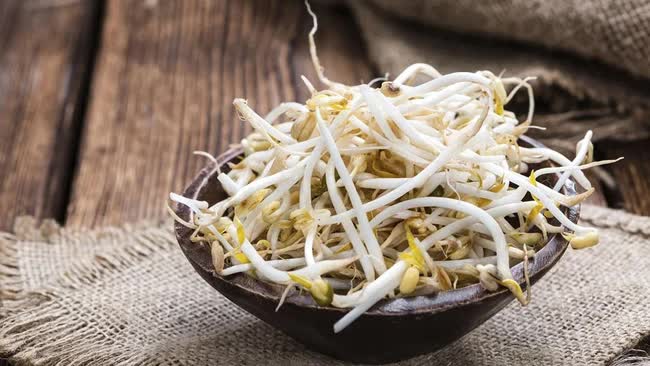
Final Thoughts
Sprouted foods offer an interesting and nutritious way to diversify your diet. Options such as broccoli sprouts, sprouted lentils, and mung bean sprouts provide vitamins, minerals, fiber, and beneficial plant compounds that may support overall health. Sprouting may also improve the digestibility of certain foods and increase the availability of some nutrients.
However, it's important to keep expectations realistic. Sprouted foods are not miracle foods, and no single ingredient can prevent or treat disease. Their greatest value comes from being part of a varied, balanced diet rich in whole foods. Because raw sprouts carry a higher risk of bacterial contamination, proper storage and, when appropriate, thorough cooking are especially important—particularly for people at increased risk of foodborne illness.
Adding sprouted foods to your meals can be a simple and flavorful way to increase dietary variety while supporting long-term health through balanced nutrition and healthy lifestyle habits.