Broccoli may look like an ordinary vegetable, but its nutritional value is anything but ordinary. With its deep green florets, crisp stems, and mild flavor, this member of the cruciferous vegetable family has earned a place among the most nutritious foods you can add to your daily diet.
For years, nutrition experts have encouraged people to eat more vegetables, and broccoli is one of the foods that frequently appears on their recommended lists. The reason is simple: it provides a wide range of essential nutrients while being relatively low in calories. It contains dietary fiber, vitamin C, vitamin K, folate, potassium, and several naturally occurring plant compounds that help support normal body functions.
One of broccoli's most impressive qualities is its vitamin C content. Vitamin C plays an important role in supporting the immune system, helping the body produce collagen, and protecting cells from oxidative damage. It also helps the body absorb iron from plant-based foods. Including broccoli in meals can therefore contribute to meeting your daily vitamin C needs.
Broccoli is also an excellent source of vitamin K, a nutrient involved in normal blood clotting and bone metabolism. Vitamin K helps activate proteins that participate in maintaining healthy bones. Combined with its other nutrients, this makes broccoli a valuable addition to a balanced eating pattern.
Another important feature is its fiber content. Fiber supports digestive health by helping maintain regular bowel movements and providing nourishment for beneficial gut bacteria. It can also help you feel satisfied after meals, making it easier to manage hunger throughout the day.
But the benefits of broccoli do not stop with vitamins and minerals.
This vegetable contains natural plant chemicals known as glucosinolates. When broccoli is chopped, chewed, or otherwise damaged, these compounds can be converted into biologically active substances, including sulforaphane. Researchers have studied sulforaphane because of its potential effects on cellular defense systems and the body's response to oxidative stress.
These compounds are one reason cruciferous vegetables have attracted so much scientific attention. However, it is important to understand that eating broccoli does not guarantee protection against disease. Its value comes from being part of a healthy dietary pattern rather than acting as a miracle food.
Broccoli is also surprisingly versatile. It can be steamed, roasted, stir-fried, added to soups, or eaten raw. Its mild taste allows it to pair with chicken, fish, eggs, beans, rice, and many other everyday ingredients.
The most important thing is consistency. You do not need to eat enormous quantities or follow a complicated diet to benefit from this vegetable. A reasonable serving included regularly in meals can help increase your intake of fiber and important micronutrients.
And while most people think of broccoli primarily as a source of vitamins, one of its most interesting qualities may be the way its natural compounds interact with the body's own protective systems.
To understand why researchers are so interested in this green vegetable, we need to look more closely at what happens inside the body after broccoli becomes part of your regular diet.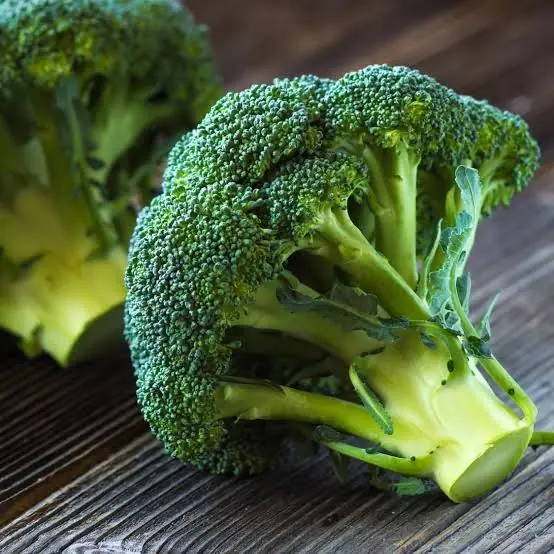
Chapter 2: Supporting Your Immune System and Protecting Your Cells
Your immune system works continuously, even when you feel perfectly healthy. It identifies potential threats, coordinates defensive responses, and helps your body recover from everyday challenges. Maintaining this complex system requires adequate nutrition, and broccoli can contribute several nutrients that support normal immune function.
Vitamin C is perhaps the best-known example.
This essential vitamin supports multiple aspects of immune activity. It contributes to the normal function of immune cells and acts as an antioxidant, helping protect cells from damage caused by unstable molecules known as free radicals.
Free radicals are produced naturally during metabolism and can also arise from environmental exposures, smoking, and other factors. The body has its own antioxidant defenses, but a diet containing fruits and vegetables provides additional compounds that help maintain the balance between oxidative activity and protection.
Broccoli contributes vitamin C alongside other antioxidant substances, including carotenoids and various polyphenols. These compounds help explain why eating a wide variety of colorful vegetables is generally recommended.
However, broccoli should not be viewed as a substitute for sleep, vaccinations, medical care, or other established ways of protecting your health. It supports normal nutritional needs; it does not prevent every infection or make the immune system invincible.
One particularly interesting compound found in broccoli is sulforaphane.