Sulforaphane forms from a precursor called glucoraphanin through the action of an enzyme known as myrosinase. This process can occur when broccoli is chopped or chewed. Sulforaphane has been studied for its ability to influence cellular pathways involved in antioxidant and detoxification responses.
One pathway that researchers frequently investigate involves a protein called Nrf2. When activated, Nrf2 helps regulate the expression of genes involved in the body's natural defense against oxidative stress.
This does not mean broccoli literally cleans toxins out of your body. Your liver, kidneys, lungs, and digestive system already perform essential processes that remove waste and maintain chemical balance. Rather, certain compounds in broccoli may influence the way cells regulate their own protective mechanisms.
This distinction matters because online health claims sometimes exaggerate the effects of individual foods. Broccoli is nutritious, but it does not replace the body's organs or provide a guaranteed defense against illness.
The vegetable also contains folate, which is important for DNA synthesis and normal cell division. Folate is especially important during periods of rapid growth and development, including pregnancy. It works alongside other B vitamins to support several essential metabolic processes.
Another benefit comes from broccoli's combination of nutrients and fiber. Instead of relying on a single isolated vitamin, eating the whole vegetable provides a mixture of substances that work within the context of your overall diet.
For example, a meal containing broccoli, beans, whole grains, and a source of healthy fat can supply fiber, protein, vitamins, minerals, and beneficial plant compounds at the same time.
This is the real advantage of building meals around whole foods.
Rather than searching for one ingredient that promises extraordinary results, focus on regularly eating a variety of vegetables. Broccoli can be one of the easiest ways to make that goal practical.
But there is another part of the body that may benefit from this nutritional combination: your digestive system. And this is where broccoli's fiber content becomes especially important.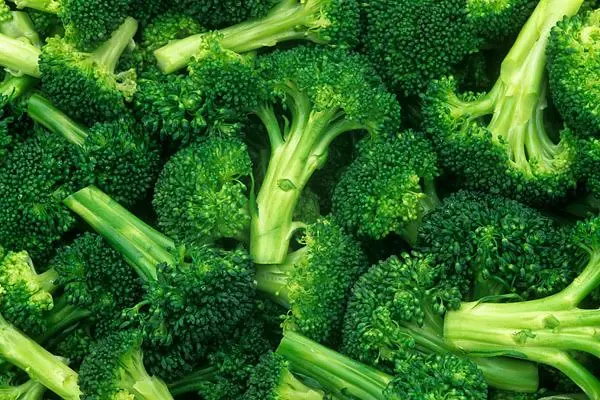
Chapter 3: Better Digestion, Gut Health, and More Satisfying Meals
Digestive health affects much more than how frequently you visit the bathroom. Your digestive system breaks down food, absorbs nutrients, supports immune activity, and interacts with trillions of microorganisms living throughout the gastrointestinal tract.
This community of microorganisms is commonly called the gut microbiome.
The balance and diversity of gut bacteria can be influenced by many factors, including diet, medication, physical activity, sleep, and lifestyle. One of the most important dietary components for supporting a healthy gut environment is fiber.
Broccoli provides dietary fiber, including both soluble and insoluble forms.
Insoluble fiber contributes bulk to stool and helps support regular bowel movements. Soluble fiber can absorb water and may be fermented by certain gut bacteria. During fermentation, these microorganisms produce substances known as short-chain fatty acids, which play important roles in maintaining the intestinal environment.
Eating broccoli regularly can therefore contribute to a fiber-rich diet that supports digestive function.
However, there is one detail worth remembering: suddenly increasing fiber intake can cause bloating, gas, or abdominal discomfort, particularly in people who are not accustomed to eating many vegetables.
If your current diet is relatively low in fiber, begin with smaller portions and increase gradually. Drinking enough water can also help your digestive system adjust.
Broccoli contains another group of compounds that researchers are studying for their possible relationship with gut health. These include glucosinolates and their breakdown products.
Some research suggests that compounds derived from cruciferous vegetables may interact with gut microorganisms. The relationship is complex, and scientists are still investigating how these substances behave in different individuals.
For everyday health, however, the most established benefit remains broccoli's contribution to overall fiber intake.
Another advantage is that broccoli can make meals more filling without adding many calories. A generous portion adds volume, texture, and nutrients to a plate. When combined with protein and healthy fats, it can help create a satisfying meal.
Consider a simple lunch consisting of grilled chicken, brown rice, and steamed broccoli. The chicken provides protein, the rice supplies energy and additional nutrients, and the broccoli contributes fiber and micronutrients.
This combination is much more balanced than relying on a highly processed meal that contains little fiber and few vegetables.
Broccoli may also help people who are trying to manage their eating habits. Because it adds bulk and texture, it can make a meal feel more substantial. This may help reduce the temptation to rely on large portions of calorie-dense foods.