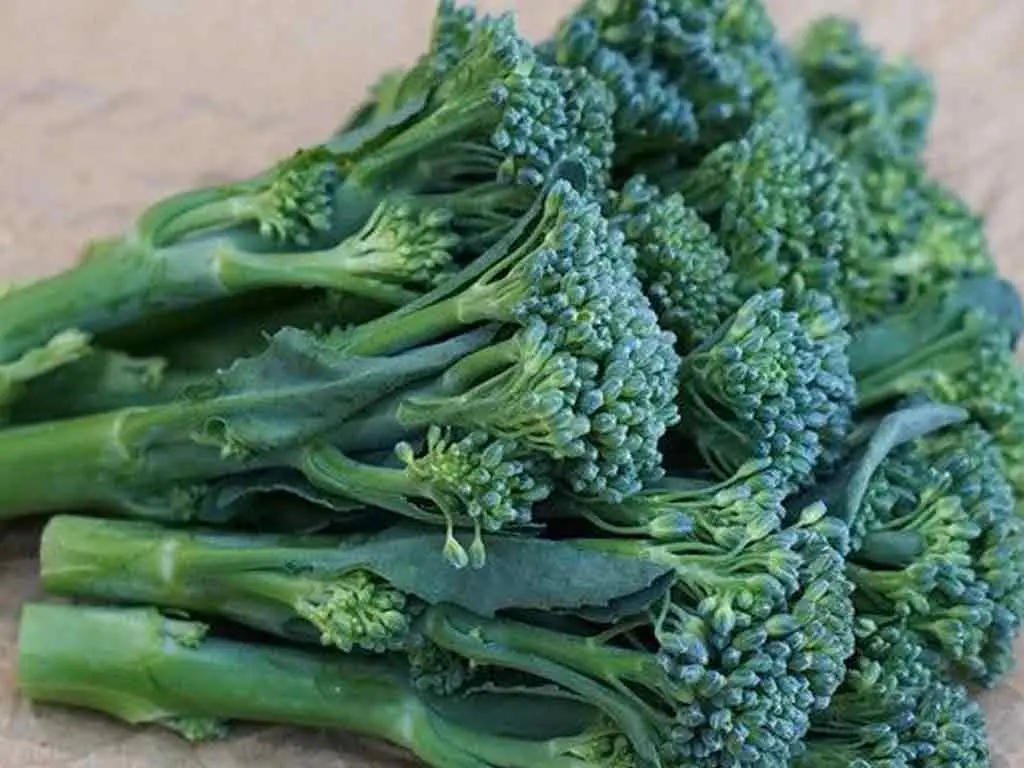
The good news is that broccoli does not need to be complicated. You can prepare it in several different ways, and small changes in cooking methods can make a noticeable difference in its taste, texture, and nutrient retention.
Steaming is one of the simplest options.
Light steaming softens the florets while allowing them to retain much of their structure. It is also a practical method because it does not require much added fat. Avoid cooking broccoli for an unnecessarily long time, as prolonged exposure to heat and water can reduce the amount of certain water-soluble nutrients, including vitamin C.
Boiling is another option, although some nutrients can move into the cooking water. If you prepare broccoli in soup, that liquid can still be consumed, allowing you to retain some of the nutrients that have entered it.
Roasting offers a different experience.
Toss broccoli florets with a small amount of olive oil, garlic, black pepper, and a little salt. Spread them across a baking tray and roast until the edges become lightly browned and the stems are tender.
The result is a deeper, slightly sweet flavor that can make broccoli more appealing to people who dislike its taste when boiled.
Stir-frying is another convenient method, especially for busy households. Combine broccoli with carrots, mushrooms, onions, tofu, chicken, or lean beef. A small amount of oil and a simple seasoning mixture can turn it into a complete and satisfying meal.
You can also add broccoli to scrambled eggs, omelets, pasta, rice bowls, and homemade soups.
For a quick breakfast, try adding finely chopped broccoli to an omelet with eggs and a little cheese. For lunch, combine it with brown rice, grilled chicken, and a light dressing. At dinner, serve roasted broccoli alongside fish or beans.
These simple combinations help prevent the vegetable from becoming repetitive.
There is also an interesting preparation detail involving sulforaphane.
The enzyme myrosinase helps convert glucoraphanin into sulforaphane. Chopping or chewing raw broccoli allows the compounds and enzyme to come into contact. Cooking can reduce myrosinase activity, particularly when broccoli is exposed to high heat for extended periods.
Some research suggests that lightly cooking broccoli and allowing it to rest briefly after chopping may help preserve certain aspects of this process. Adding a small amount of raw mustard powder after cooking is another technique sometimes discussed because mustard contains myrosinase.
However, you do not need to follow complicated preparation rules to enjoy broccoli. The overall nutritional value of the vegetable remains useful even when it is cooked.
Raw broccoli can also be eaten, provided it is washed thoroughly. It works well in salads, vegetable platters, and dishes served with yogurt-based dips.
If raw broccoli causes bloating, lightly steaming it may be a better option.
Fresh and frozen broccoli can both be nutritious choices. Frozen broccoli is usually processed soon after harvesting, and freezing helps preserve many of its nutrients. It can also be more convenient because it is already washed and cut.
When purchasing fresh broccoli, look for firm stems and florets with a relatively even green color. Avoid pieces that are slimy, excessively yellow, or showing signs of decay.
Store fresh broccoli in the refrigerator and use it while it remains fresh. Frozen broccoli should be kept frozen until needed and prepared according to the package instructions.
How much should you eat?
There is no universal amount that everyone must consume each day. Your needs depend on your age, health, overall diet, and personal tolerance. A serving of broccoli several times a week, or even more frequently if you enjoy it, can help contribute to a varied vegetable intake.
People taking warfarin or certain other vitamin K-sensitive anticoagulant medications should avoid making sudden, dramatic changes in their vitamin K intake. Broccoli does not necessarily need to be eliminated, but consistent intake is important, and medication-related dietary changes should be discussed with a healthcare professional.
People with specific medical conditions or digestive sensitivities may also need individualized advice.
Ultimately, the most effective approach is the one you can maintain.
You do not need to eat broccoli at every meal, drink green smoothies every morning, or completely change your diet overnight. Start by adding a small serving to a meal you already enjoy. Experiment with different cooking methods, seasonings, and combinations until you find a preparation that suits your taste.