Mango leaves, cinnamon, and guava leaves are three familiar ingredients that have been used in traditional food practices for generations. They may look ordinary, but each contains a variety of naturally occurring plant compounds that researchers have studied for their potential biological effects.
Mango leaves come from the same tree that produces one of the world's most popular tropical fruits. Cinnamon is the aromatic bark of several Cinnamomum species and is widely used in cooking and beverages. Guava leaves, meanwhile, have a long history of traditional use in different parts of Asia and other tropical regions.
Because these plants contain flavonoids, polyphenols, and other phytochemicals, they have attracted attention in nutritional and laboratory research.
But there is an important distinction between traditional use, laboratory findings, and proven medical benefits.
A tea made from mango leaves, a cinnamon drink, or guava-leaf preparation may be an interesting part of a dietary routine. That does not mean any of them can diagnose, prevent, or cure a disease.
The most useful way to understand these ingredients is to ask a more practical question:
What compounds do they contain, what might those compounds do, and what should we realistically expect from consuming them?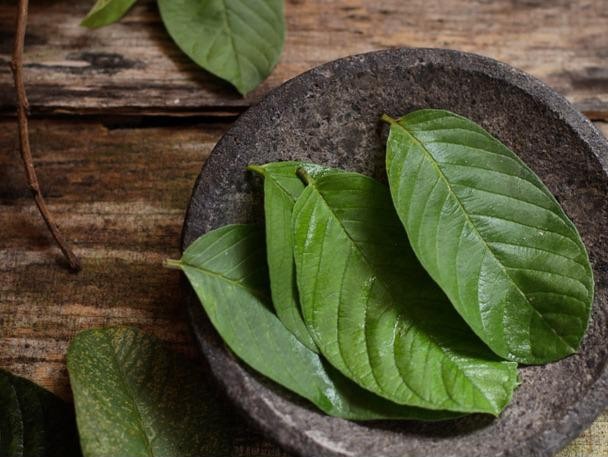
Why Leaves and Spices Attract So Much Attention
Plants produce a wide variety of chemical compounds that help them survive. Some contribute to color, aroma, taste, and protection from environmental stress.
When humans consume plant foods, we are exposed to some of these compounds as well.
Scientists study many of them because they may influence processes related to oxidative stress, inflammation, or the activity of certain enzymes and cells.
This is one reason ingredients that have been used traditionally for centuries can eventually become subjects of modern research.
But research into a plant does not automatically prove that every traditional health claim is correct.
A laboratory extract can behave differently from a cup of tea.
A concentrated supplement can contain much more of a compound than an ordinary serving of food.
And the human body does not necessarily respond to a plant compound in the same way a cell culture does.
That context is essential when discussing mango leaves, cinnamon, and guava leaves.
1. Mango Leaves and Their Natural Compounds
Mango leaves are often overlooked because the fruit receives most of the attention.
Yet the leaves contain their own collection of plant chemicals, including polyphenols and flavonoids, and one compound that frequently appears in scientific discussions of mango plants is mangiferin.
Mangiferin is a naturally occurring plant compound found in mango tissues, including leaves.
Researchers have investigated mangiferin and other mango-derived compounds for a range of biological activities, including antioxidant-related effects and interactions with pathways involved in metabolism and inflammation.
That sounds promising, but it is important not to jump directly from laboratory research to health claims.
The presence of mangiferin in mango leaves does not mean drinking mango-leaf tea will produce the same effect as a concentrated extract studied in a laboratory.
Still, the chemistry provides a reasonable explanation for why mango leaves have attracted interest.
Mango Leaves and Antioxidant Activity
One area of interest is the antioxidant potential of compounds found in mango leaves.
The body naturally generates reactive molecules during normal metabolism. Antioxidant systems help maintain balance between those molecules and the body's protective mechanisms.
Plant compounds with antioxidant activity can be studied in laboratory settings to understand how they interact with oxidative processes.
This is one reason researchers examine mango leaves.
But “antioxidant” should not be interpreted as “disease prevention.”
A food or plant can contain antioxidant compounds without guaranteeing protection against cancer, heart disease, diabetes, or other conditions.
Human health is determined by many interacting factors.
Mango Leaves and Blood Sugar Research
Mango leaves are also frequently mentioned in traditional and online discussions about blood sugar.
Some laboratory and experimental research has explored whether compounds from mango leaves may influence glucose-related pathways.
That makes the topic scientifically interesting.
But there is a large gap between finding an effect in an experimental model and showing that drinking mango-leaf tea reliably improves blood glucose in people.
Anyone with diabetes should therefore be cautious about replacing prescribed treatment with herbal preparations.
Blood glucose should be monitored using appropriate medical methods, not inferred from how someone feels after drinking a particular tea.