Traditional beverage or remedy: consumed according to cultural practices, sometimes for comfort or perceived health benefits.
Medical treatment: evaluated for safety, dose, effectiveness, side effects, and interactions through appropriate clinical evidence.
Mango leaves, cinnamon, and guava leaves can certainly appear in the first two categories.
That does not automatically put them in the third.
This distinction protects people from turning a harmless dietary habit into a substitute for medical treatment.
When Herbal Tea Should Not Replace Medical Care
If you have persistent symptoms, the underlying cause matters.
For example, high blood sugar requires proper testing.
Persistent diarrhea may require evaluation.
Recurring urinary symptoms may need medical treatment.
Unexplained weight loss deserves attention.
Ongoing abdominal pain should not simply be treated with herbal tea indefinitely.
The same applies to serious symptoms such as chest pain, difficulty breathing, fainting, vomiting blood, black stools, severe dehydration, or confusion.
Traditional drinks may be comforting, but they are not a safety net for serious illness.
How to Approach These Ingredients Realistically
A practical approach is surprisingly simple.
Enjoy cinnamon as a spice.
Treat herbal leaf teas as traditional beverages rather than guaranteed treatments.
Use whole foods as the foundation of your diet.
And keep health claims proportional to the evidence.
This way, you can appreciate the fascinating chemistry of plants without giving them powers they have not been proven to possess.
You also avoid the opposite mistake—assuming that because a plant has not been proven to cure a disease, it has no value at all.
There is plenty of room between those extremes.
The Bottom Line
Mango leaves, cinnamon, and guava leaves all contain naturally occurring compounds that have attracted scientific interest.
Mango leaves contain compounds such as mangiferin and other polyphenols.
Cinnamon contains compounds such as cinnamaldehyde and various polyphenols.
Guava leaves contain flavonoids, tannins, and other plant chemicals.
Research has explored these compounds in connection with antioxidant activity, microbial interactions, inflammation, and metabolic processes.
But promising chemistry is not the same as proven treatment.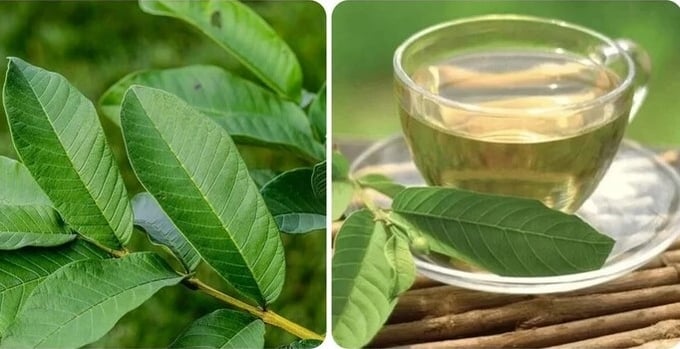
A cup of herbal tea is not a substitute for medication, blood tests, or professional medical care.
The most sensible way to use these ingredients is as part of a varied diet and, where culturally appropriate, as traditional beverages enjoyed in moderation.
Their natural compounds are genuinely interesting.
Their traditional history is worth appreciating.
And their potential benefits are worth studying.
But the healthiest perspective is also the simplest:
Let plants add variety to your diet without expecting one leaf, one spice, or one cup of tea to do the work of an entire healthy lifestyle.