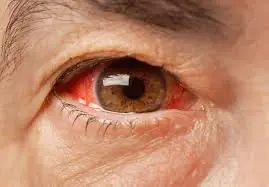
Glaucoma
Glaucoma is a group of eye diseases that cause damage to the optic nerve, usually related to increased intraocular pressure. Without timely treatment, it can lead to irreversible vision loss.
Causes
-
Impaired outflow of aqueous humor leading to accumulation and increased intraocular pressure.
-
Optic nerve damage related to vascular or structural factors.
-
Some patients develop glaucoma even with normal eye pressure (normal-tension glaucoma).
Main Types of Glaucoma
1. Open-angle glaucoma (chronic)
-
Progresses slowly and painlessly.
-
Patients often do not notice symptoms until significant vision loss occurs.
2. Angle-closure glaucoma (acute attack)
-
Sudden rise in intraocular pressure.
-
Eye pain, redness, blurred vision, and nausea.
3. Congenital glaucoma
-
Occurs in infants due to structural abnormalities of the eye.
4. Secondary glaucoma
-
Caused by trauma, uveitis, long-term corticosteroid use, or other eye diseases.
Symptoms
Open-angle glaucoma
-
Blurred vision.
-
Loss of peripheral vision (tunnel vision).
-
Poor vision in low light.
-
No eye pain.
Acute angle-closure glaucoma
-
Severe eye pain.
-
Red eye.
-
Blurred vision with halos around lights.
-
Headache, nausea, or vomiting.
-
Markedly elevated intraocular pressure.
Risk Factors
-
Age over 40.
-
Family history of glaucoma.
-
High myopia or hyperopia.
-
Diabetes or hypertension.
-
Long-term corticosteroid use.
-
Eye injury.
Diagnosis
-
Measurement of intraocular pressure.
-
Optic nerve examination.
-
Visual field testing.
-
OCT imaging of the retinal nerve fiber layer.
-
Gonioscopy to evaluate the anterior chamber angle.
Treatment
Medications (eye drops)
-
Prostaglandin analogs.
-
Beta-blockers.
-
Alpha-agonists.
-
Carbonic anhydrase inhibitors.
-
Combination therapies if needed.
Laser
-
Laser peripheral iridotomy (for angle closure).
-
Laser trabeculoplasty (for open-angle glaucoma).
Surgery
-
Trabeculectomy.
-
Drainage implants.
-
Minimally invasive glaucoma surgery (MIGS).
Prognosis
Optic nerve damage from glaucoma is irreversible, but early detection and continuous treatment can slow or prevent further vision loss.