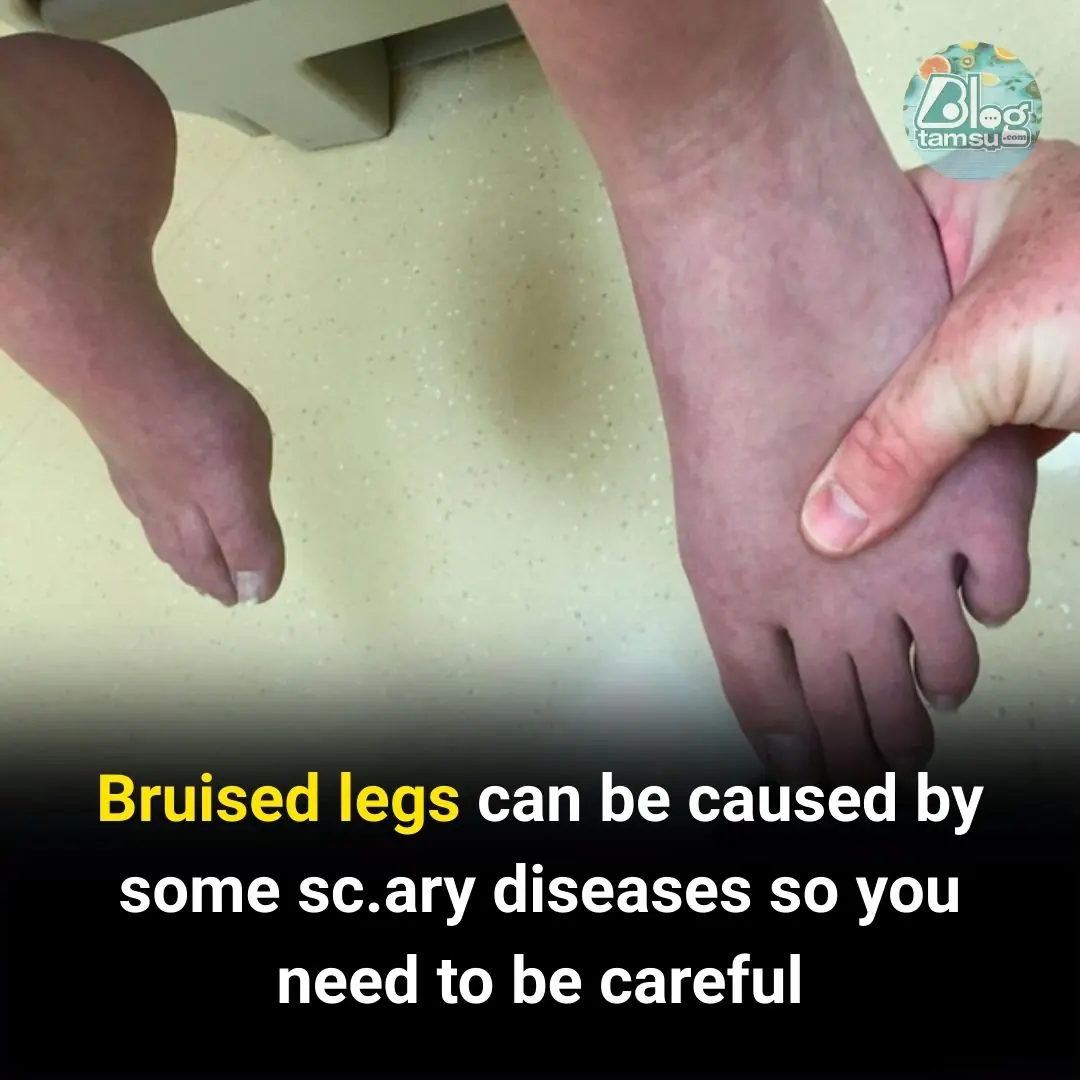
The skin on the legs may turn bluish or purplish due to bruising. However, this change in color can also indicate that the area is not receiving enough oxygen-rich blood, since the legs are farther from the heart than other parts of the body.
Temporary color changes in the skin of the legs may be harmless if they recover quickly. But when the discoloration persists, it can be a warning sign of a health condition. Purple or bluish legs may signal certain diseases. Some possible causes of leg discoloration include injury, Raynaud’s disease, peripheral artery disease, and frostbite.
1. Foot Injury
A sprain or bumping the foot against something can cause bruising (making the skin look blue or purple). Such injuries are also often painful and swollen. Minor foot injuries can usually be treated at home with temporary measures such as:
-
Rest: Avoid unnecessary activities and putting weight on the injured foot for long periods.
-
Ice: Apply an ice pack to the injured foot.
-
Compression: Wrap the injured area with a bandage — snug but not too tight to block circulation.
-
Elevation: Use a pillow or support to raise the foot whenever possible.
Over-the-counter nonsteroidal anti-inflammatory drugs (NSAIDs) such as ibuprofen or aspirin may help relieve pain and swelling.
For more severe injuries, medical care is needed. A doctor may order an X-ray to check for fractures. Treatment for a broken foot depends on the type and severity of the fracture.
2. Raynaud’s Disease
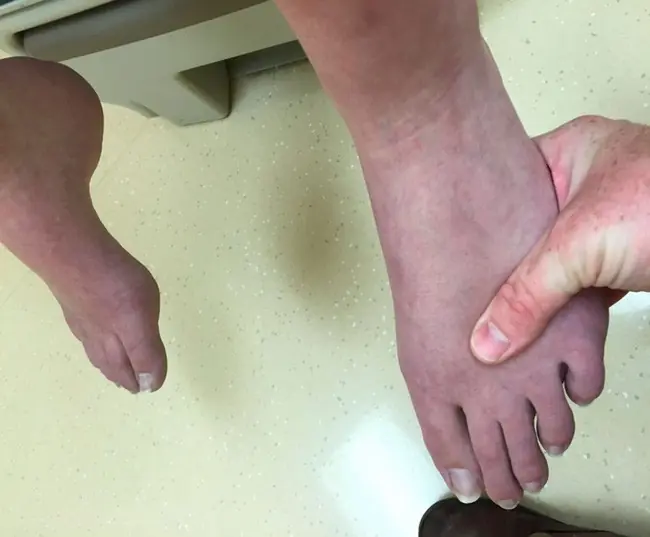
Bruised legs can sometimes be caused by serious health issues, so you need to be cautious – Image 2.
Raynaud’s disease, also called Raynaud’s phenomenon, is a common condition that can cause the blood vessels in the hands or feet to temporarily narrow. This restricts blood flow and may cause the affected areas to turn blue, purple, red, or white.
Other symptoms may include pain, numbness, and tingling sensations. During an attack, patients may find it difficult to use their feet or fingers.
Cold temperatures, anxiety, and stress can trigger Raynaud’s attacks. These episodes are usually short and resolve when the person warms up or stress decreases.
Most cases of Raynaud’s are mild and can be managed by keeping the hands and feet warm and dry in cold weather and reducing stress. For more severe cases, doctors may prescribe medications to help control symptoms.
3. Lupus
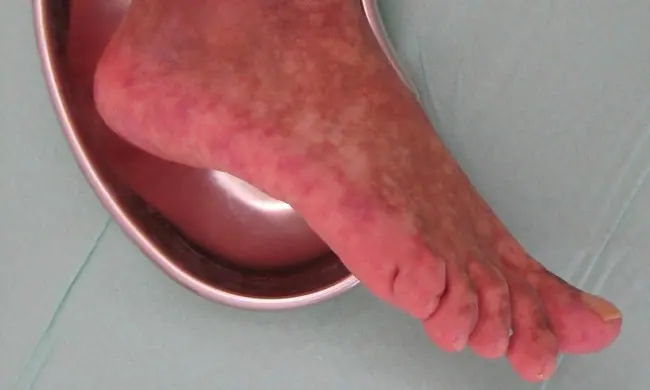
Lupus (systemic lupus erythematosus) is an autoimmune disease, meaning the body’s immune system mistakenly attacks healthy tissues and organs. Symptoms vary widely in type and severity, and lupus can affect many areas of the body, including the feet.
Common symptoms include fatigue, joint pain, and swelling. According to the Lupus Foundation of America, up to one-third of lupus patients also experience Raynaud’s disease.
Lupus can lead to vasculitis, which is inflammation of the blood vessels. When vasculitis occurs in the feet, it may cause reddish or purplish rashes on the skin, which may also appear on other body parts. Vasculitis can also cause numbness, tingling, and weakness in the feet.
Anyone experiencing lupus symptoms should seek medical attention. Treatment depends on the type and severity of symptoms.
4. Peripheral Artery Disease (PAD)
Bruised legs can sometimes be caused by serious health issues, so you need to be cautious – Image 4.
Peripheral artery disease (PAD) occurs when arteries outside the body’s core become narrowed, reducing blood flow to certain areas, including the limbs.
PAD often affects the legs, causing symptoms such as pain, cramps, tingling, and weakness. Reduced blood flow can also gradually cause the feet and legs to turn blue or purple. However, some people with PAD may not show any symptoms.
Anyone with symptoms of PAD should see a doctor. If untreated, PAD can progress and lead to serious complications such as critical limb ischemia and tissue death. In very severe cases, amputation of part of the leg or foot may be required. PAD also increases the risk of heart disease, heart attack, and stroke.
Lifestyle changes (such as regular exercise, avoiding smoking, and eating a healthy diet), medications, and surgical interventions can slow or stop the progression of PAD and lower the risk of complications.
5. Diabetes
Bruised legs can sometimes be caused by serious health issues, so you need to be cautious – Image 5.
Diabetes is a condition that affects blood sugar regulation. High blood sugar levels can lead to various complications, including foot problems caused by damage to peripheral blood vessels and nerves. People with diabetes are also at higher risk of PAD.
Uncontrolled blood sugar can cause the blood vessels in the feet and legs to narrow and stiffen. Reduced blood flow to the feet may result in:
-
Purple or bluish discoloration in the legs
-
Cold feet
-
Nerve damage in the feet
-
Foot pain and cramps
-
Numbness
-
Foot ulcers
-
Slow-healing wounds on the feet
-
Infections
People with diabetes can reduce or prevent foot problems by:
-
Regularly checking their feet for cuts, ulcers, injuries, and other issues
-
Keeping blood sugar under control through lifestyle changes and medication
-
Eating a healthy diet to manage cholesterol
-
Lowering blood pressure if necessary
-
Avoiding smoking
-
Exercising regularly