Your eyesight can change gradually without you noticing it.
You may still be able to read, drive, use your phone, and recognize familiar faces while an eye condition is quietly affecting parts of your vision. This is one reason regular eye examinations are so important.
One of the best-known examples is glaucoma, a group of eye diseases that can damage the optic nerve and lead to permanent vision loss.
Glaucoma is sometimes called a "silent" eye disease because the most common form, open-angle glaucoma, can develop slowly and without obvious symptoms in its early stages.
By the time a person notices significant changes in vision, damage may already have occurred.
The good news is that early detection and appropriate treatment can help protect vision. Understanding the warning signs, risk factors, and importance of routine eye care can make a major difference.
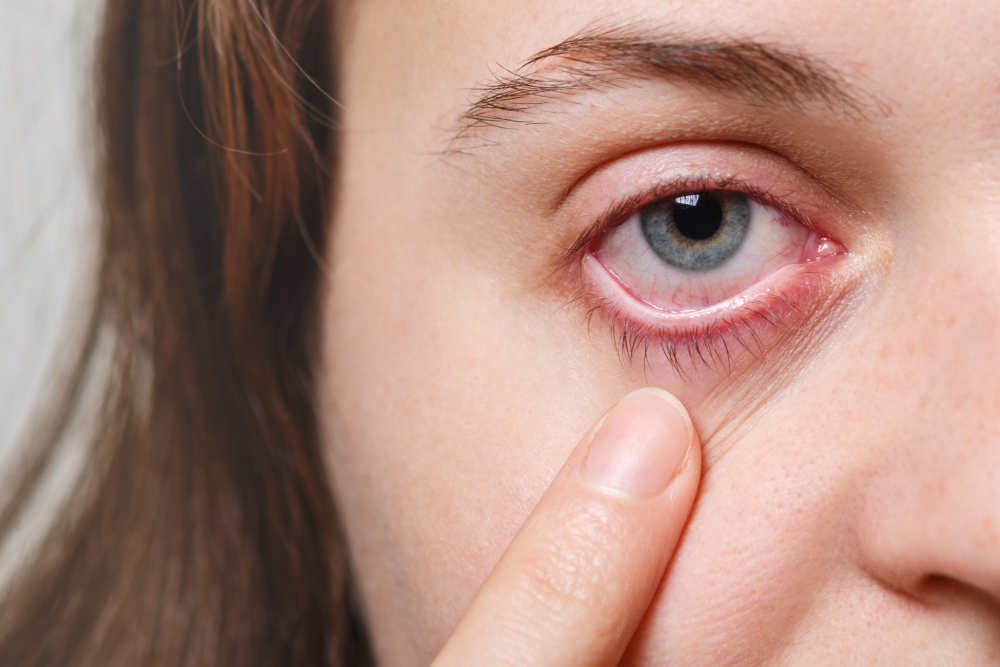
What Is Glaucoma?
Glaucoma is not a single eye condition but a group of diseases involving damage to the optic nerve.
The optic nerve carries visual information from the eye to the brain.
When this nerve becomes damaged, areas of vision can gradually be lost.
In many cases, glaucoma is associated with increased pressure inside the eye, known as intraocular pressure (IOP). However, having high eye pressure does not automatically mean someone has glaucoma, and glaucoma can also occur when eye pressure is within the statistically normal range.
This is why measuring eye pressure alone isn't enough to diagnose the disease.
1. Open-Angle Glaucoma Can Develop Slowly
The most common form is primary open-angle glaucoma.
It usually develops gradually.
There may be no pain.
There may be no obvious redness.
Your central vision may remain clear.
Because the changes happen slowly, the brain can sometimes adapt to missing information from the peripheral visual field.
A person may therefore not realize anything is wrong until the disease has progressed.
2. Peripheral Vision May Be Affected First
One of the characteristics of glaucoma is that it can initially affect side or peripheral vision.
Imagine looking straight ahead while information at the edges of your visual field gradually becomes less complete.
Because your central vision may remain relatively sharp, you might not notice the change during ordinary activities.
Over time, however, visual-field loss can become more significant.
In advanced cases, a person may have severe impairment of vision.
3. Why You Might Not Notice the Problem
Your brain is remarkably good at filling in missing information.
If a small portion of your visual field is affected, you may unconsciously compensate by:
-
Moving your head
-
Looking around more
-
Using your stronger eye
-
Relying on familiar surroundings
You may therefore continue normal activities without realizing that part of your visual field has changed.
This is one reason a comprehensive eye examination is valuable even when your eyesight appears normal.
4. Glaucoma Can Cause Permanent Vision Loss
Damage to the optic nerve from glaucoma generally cannot simply be reversed.
Once nerve fibers are permanently lost, current treatments cannot restore them.
That makes early detection particularly important.
Treatment is primarily aimed at preventing or slowing additional damage.
Depending on the type and severity of glaucoma, treatment may involve:
-
Prescription eye drops
-
Laser treatment
-
Surgery
-
A combination of approaches
The earlier the disease is identified, the more opportunity there may be to protect remaining vision.
5. Eye Pressure Is Only One Piece of the Puzzle
Many people assume glaucoma simply means "high pressure in the eye."
That's not quite accurate.
Some people have elevated eye pressure but never develop glaucoma.
Others develop glaucoma despite having eye pressure within a typical range.
Doctors therefore consider multiple factors, including:
-
Optic nerve appearance
-
Visual-field testing
-
Eye pressure
-
Corneal thickness
-
Family history
-
Age
-
Overall eye health
This is why a proper eye examination involves more than simply looking at an eye chart.
6. A Routine Eye Exam Can Detect Problems Before Symptoms Appear
You might be able to read every letter on a standard eye chart and still have glaucoma.
The traditional eye chart primarily evaluates central visual acuity.
Glaucoma may initially affect peripheral vision instead.
A comprehensive eye examination can include:
Eye Pressure Measurement
Measures intraocular pressure.
Optic Nerve Examination
Allows the clinician to assess the appearance of the optic nerve.
Visual Field Testing
Checks for areas of missing or reduced vision.
OCT Imaging
Optical coherence tomography can provide detailed images of the retinal nerve fiber layer and optic nerve structures.
These tests help clinicians identify changes that may not be obvious to the patient.
7. Family History Can Increase Your Risk
Genetics can play an important role.
Having a close family member with glaucoma may increase your risk of developing the condition.
Tell your eye-care professional if a parent, sibling, or other close relative has been diagnosed with glaucoma.
This information can help determine how closely your eyes should be monitored.
8. Age Is Another Important Risk Factor
The risk of glaucoma generally increases with age.
That doesn't mean younger people cannot develop it.
Certain forms of glaucoma can occur earlier in life, including juvenile glaucoma and glaucoma associated with other eye conditions.
But for many people, getting older means eye examinations become increasingly important.
9. Diabetes Can Be Associated With Eye Problems
Diabetes can affect the eyes in several ways.
People with diabetes have an increased risk of various eye diseases, including diabetic retinopathy and, in some circumstances, glaucoma.
High blood glucose over time can damage blood vessels and other structures in the eye.
If you have diabetes, regular comprehensive eye care is especially important.
Managing blood glucose, blood pressure, and cholesterol can also support overall eye health.
10. Nearsightedness May Be Associated With Certain Types of Glaucoma
People with significant myopia, or nearsightedness, may have an increased risk of some forms of glaucoma.
This is another reason people who require strong corrective lenses should maintain regular eye examinations.
Your optometrist or ophthalmologist can assess your individual risk based on your eye structure and medical history.
11. Previous Eye Injuries Can Matter
An injury to the eye can sometimes damage structures involved in fluid drainage.
This may contribute to glaucoma, sometimes even years after the original injury.
If you've experienced significant eye trauma in the past, mention it during an eye examination.
12. Certain Medications Can Increase Risk
Long-term use of corticosteroids, especially in certain circumstances, can increase the risk of elevated eye pressure and glaucoma.
Steroids can be prescribed in many forms, including:
-
Eye drops
-
Pills
-
Injections
-
Inhaled medications
-
Creams
This doesn't mean you should stop prescribed medication.
If you use steroids regularly, ask your healthcare professional whether you need additional eye monitoring.
13. Glaucoma Doesn't Always Cause Pain
This is an important distinction.
The most common form of glaucoma generally develops without significant pain.
That means waiting for your eyes to hurt is not a reliable strategy for detecting it.
However, some other forms of glaucoma can develop much more suddenly and cause severe symptoms.
14. Acute Angle-Closure Glaucoma Is Different
Angle-closure glaucoma can sometimes develop rapidly.
An acute attack may cause:
-
Severe eye pain
-
Redness
-
Blurred vision
-
Halos around lights
-
Headache
-
Nausea
-
Vomiting
This is a medical emergency.
Unlike the slow progression of open-angle glaucoma, acute angle closure can cause rapid damage to the optic nerve.
If these symptoms occur suddenly, seek emergency medical attention.

15. Blurred Vision Shouldn't Always Be Blamed on Age
Many people assume worsening eyesight is simply part of getting older.
Sometimes it is.
But blurred vision can also result from:
-
Cataracts
-
Glaucoma
-
Diabetic eye disease
-
Macular degeneration
-
Corneal problems
-
Refractive changes
-
Other eye conditions
If your vision changes noticeably, arrange an eye examination rather than assuming the change is normal.
16. Frequent Headaches Don't Automatically Mean Glaucoma
Headaches have countless possible causes.
Most headaches are not caused by glaucoma.
However, a severe headache accompanied by sudden eye pain, blurred vision, halos around lights, nausea, or vomiting can be an emergency because it may occur with acute angle closure.
The combination of symptoms matters.
17. Seeing Halos Around Lights Can Have Many Causes
Some people see halos around lights because of:
-
Cataracts
-
Dry eyes
-
Contact lenses
-
Corneal irregularities
-
Other eye conditions
Sudden halos accompanied by severe eye pain, redness, blurred vision, nausea, or vomiting require urgent assessment.
18. Glaucoma Can Affect One or Both Eyes
Glaucoma can affect both eyes, but the severity may differ between them.
One eye may be more affected than the other.
This can make it even harder to notice changes.
If you unconsciously rely more heavily on the stronger eye, you may not realize how much vision has been lost in the weaker one.
19. You Can't Reliably Test for Glaucoma at Home
There are online vision tests and phone applications that can help people understand certain aspects of visual function.
But they cannot replace a comprehensive eye examination.
Glaucoma diagnosis requires assessment of structures and functions that aren't reliably evaluated with a simple home test.
If you're at increased risk, professional monitoring is the safest approach.
20. Regular Eye Exams Matter Even If You See Clearly
This is perhaps the most important message.
A person can have:
20/20 central vision
and still have glaucoma.
Good visual acuity does not guarantee that the optic nerve is healthy.
Routine examinations allow eye-care professionals to look for subtle changes before you notice significant symptoms.
21. What Happens During a Glaucoma Evaluation?
A clinician may examine:
-
Visual acuity
-
Eye pressure
-
Optic nerve
-
Cornea
-
Anterior chamber
-
Retinal structures
-
Peripheral visual field
Depending on your risk factors, they may also perform imaging such as OCT.
Some examinations require dilating the pupils so the doctor can see the retina and optic nerve more clearly.
22. Why OCT Scans Are Useful
OCT uses light to create highly detailed cross-sectional images of eye structures.
It can help clinicians assess the:
-
Retinal nerve fiber layer
-
Optic nerve
-
Macula
-
Other retinal structures
Repeated scans over time can help detect changes.
This can be especially useful because glaucoma often develops gradually.
23. Treatment Often Focuses on Lowering Eye Pressure
For many forms of glaucoma, lowering intraocular pressure is the main treatment strategy.
Prescription eye drops may reduce:
-
Production of fluid inside the eye
-
Or increase drainage of that fluid
Different medications work in different ways.
Treatment is individualized according to the type and severity of glaucoma.
24. Laser Treatment May Be an Option
Certain types of glaucoma can be treated with laser procedures.
For example, laser therapy may improve fluid drainage or create an alternative pathway for fluid movement, depending on the specific condition.
Laser treatment isn't appropriate for every patient.
An ophthalmologist determines whether it is suitable.
25. Surgery May Be Necessary in Some Cases
When medications and laser treatments aren't enough, surgery may be recommended.
The goal is generally to improve fluid drainage and control eye pressure.
Surgical options vary considerably.
The appropriate procedure depends on:
-
Type of glaucoma
-
Disease severity
-
Eye anatomy
-
Previous treatment
-
Overall health
26. Treatment Usually Manages the Disease Rather Than Curing It
This is an important expectation.
Glaucoma treatment generally aims to slow or prevent further damage.
It does not restore optic nerve tissue that has already been permanently lost.
That is why early diagnosis is so valuable.
The goal is to preserve useful vision for as long as possible.
27. Taking Eye Drops Correctly Matters
If you've been prescribed glaucoma medication, consistency is extremely important.
Some people stop using their drops because:
-
Their eyes feel fine
-
They forget
-
They experience mild irritation
-
They assume treatment isn't necessary anymore
But glaucoma can continue progressing without obvious symptoms.
Don't stop treatment without discussing it with your eye-care professional.
28. Glaucoma Doesn't Mean You Will Go Blind
This is a common fear.
Being diagnosed with glaucoma does not automatically mean you will lose your sight.
Many people with glaucoma maintain useful vision for decades with appropriate monitoring and treatment.
The earlier the condition is detected and managed, the better the opportunity to protect remaining vision.
29. Protect Your Eyes From Injury
While ordinary eye injuries aren't the cause of most glaucoma, protecting your eyes is still important.
Wear appropriate protective eyewear when:
-
Using power tools
-
Working with chemicals
-
Playing certain high-risk sports
-
Doing home repairs
-
Working in environments with flying debris
Preventing serious eye injuries is an important part of overall eye health.
30. Don't Smoke
Smoking is associated with numerous health problems and may negatively affect overall eye health.
Quitting smoking can reduce the risk of many serious diseases and is one of the most beneficial things you can do for your health.
31. Manage Other Health Conditions
Eye health doesn't exist separately from the rest of the body.
Conditions such as:
-
Diabetes
-
High blood pressure
-
Cardiovascular disease
can affect the eyes.
Maintaining good overall health through appropriate medical care, physical activity, nutrition, and medication adherence can support long-term eye health.
32. Eat for Overall Eye Health
No food can prevent glaucoma by itself.
However, a balanced diet provides nutrients important for overall health.
Consider regularly eating:
-
Leafy green vegetables
-
Colorful fruits
-
Fish
-
Eggs
-
Beans
-
Nuts
-
Whole grains
These foods provide a wide range of vitamins, minerals, healthy fats, and plant compounds.
The goal is variety rather than focusing on one "miracle" food.
33. Don't Rely on Supplements Without Medical Advice
The internet contains many supplements marketed for eye health.
Some nutrients are important for vision, but supplements aren't automatically beneficial for everyone.
High doses of certain vitamins or minerals can even cause harm.
Before taking an eye-health supplement, discuss it with a healthcare professional, especially if you take medications or have chronic health conditions.
34. What Symptoms Should Prompt an Eye Examination?
Arrange an eye examination if you notice:
-
Gradual changes in peripheral vision
-
Persistent blurred vision
-
New difficulty seeing at night
-
Unexplained visual changes
-
Increasing difficulty with everyday visual tasks
-
A significant difference between your eyes
And remember that having no symptoms doesn't rule out glaucoma.
Routine screening is important precisely because early disease may be difficult to notice.
35. What Symptoms Require Urgent Care?
Seek urgent medical attention for:
-
Sudden severe eye pain
-
A very red eye with significant pain
-
Sudden major vision loss
-
Sudden blurred vision with nausea or vomiting
-
Halos around lights accompanied by severe eye symptoms
-
Sudden neurological symptoms affecting vision
Sudden vision loss should always be treated as a medical emergency.
36. Who Should Be Particularly Careful?
You may need more frequent or thorough eye examinations if you have:
-
A family history of glaucoma
-
Older age
-
Diabetes
-
Significant myopia
-
Previous eye injury
-
Long-term corticosteroid exposure
-
Certain anatomical risk factors
-
A previous diagnosis of elevated eye pressure
Your eye-care professional can determine the appropriate monitoring schedule.
37. Why Family Members Should Know Their Risk
If glaucoma runs in your family, tell your relatives.
Many people don't realize that family history can matter.
A parent or sibling with glaucoma is important information for your eye-care provider.
Early detection can be particularly valuable for people at increased risk.
38. Don't Wait Until Vision Becomes Noticeably Worse
This is the central lesson.
Vision loss from glaucoma can be gradual.
By the time a person clearly notices a problem, significant damage may already have occurred.
That's why eye examinations are not just about getting a new prescription for glasses.
They can also detect diseases that you cannot easily identify yourself.
39. How Often Should You Have an Eye Examination?
There isn't one schedule that fits everyone.
The appropriate frequency depends on:
-
Age
-
Family history
-
Existing eye disease
-
Diabetes
-
Other medical conditions
-
Previous test results
-
Risk factors
Your optometrist or ophthalmologist can recommend an appropriate interval.
People at higher risk may need more frequent monitoring.
40. The Bottom Line
Glaucoma is one of the eye conditions that can develop quietly, particularly in its most common form.
You may not experience pain.
You may not notice obvious changes.
Your central vision may remain clear.
Yet the optic nerve can gradually become damaged.
That is why regular comprehensive eye examinations are so important, especially if you have risk factors such as age, family history, diabetes, significant myopia, previous eye injury, or long-term corticosteroid use.
And if you suddenly experience severe eye pain, redness, blurred vision, halos around lights, nausea, vomiting, or sudden vision loss, seek urgent medical care.
Final Thoughts
Your eyes can give you very few warning signs when certain diseases begin.
That's what makes glaucoma particularly important to understand.
The absence of symptoms doesn't necessarily mean everything is fine, and being able to read a standard eye chart doesn't guarantee that your optic nerve is healthy.
Fortunately, glaucoma is not an automatic sentence to blindness.
Early detection, appropriate monitoring, and treatment can help many people preserve useful vision for many years.
Instead of waiting until your eyesight noticeably deteriorates, make comprehensive eye examinations part of your regular health care.
Your vision is something you use every day - but unlike a headache or a sore muscle, some forms of eye damage may not give you an obvious warning before permanent changes occur.